Flooring is a fundamental element of interior design that significantly influences both the appearance and functionality of a space. Today’s homeowners and designers must consider multiple factors—including aesthetics, durability, and environmental sustainability—when selecting flooring materials. Advances in manufacturing technology, shifts in consumer demand, and increased environmental consciousness have expanded the range of available flooring options beyond traditional hardwood, enabling people to choose materials that reflect their personal style while meeting practical requirements.
The contemporary flooring market combines established materials with innovative new products. Traditional options like hardwood coexist with modern alternatives such as concrete, engineered wood, laminate, vinyl, and tile. Each flooring type offers specific benefits that can affect the visual appearance, comfort level, and practical performance of residential or commercial interiors.
Selecting appropriate flooring requires careful consideration of how different materials will impact the overall design, usability, and maintenance requirements of a space.
Hardwood Flooring: Traditional Look with Modern Options
Hardwood flooring has long been celebrated for its timeless beauty and durability. The natural grain patterns and rich colors of hardwood create an inviting atmosphere that can complement various design styles, from rustic to contemporary. However, modern advancements have introduced a range of options that enhance the traditional hardwood experience.
Engineered hardwood, for instance, consists of multiple layers of wood veneer bonded together, providing increased stability and resistance to moisture compared to solid hardwood. This innovation allows homeowners to enjoy the aesthetic appeal of hardwood in areas previously deemed unsuitable due to humidity or temperature fluctuations. Moreover, the finishing techniques available today have expanded the possibilities for customization.
Homeowners can choose from a variety of stains, finishes, and textures to achieve their desired look. Matte finishes have gained popularity for their understated elegance, while high-gloss finishes can add a touch of sophistication. Additionally, advancements in pre-finished hardwood options mean that installation can be quicker and less disruptive, allowing homeowners to enjoy their new floors sooner without compromising on quality.
Laminate Flooring: Affordable and Versatile
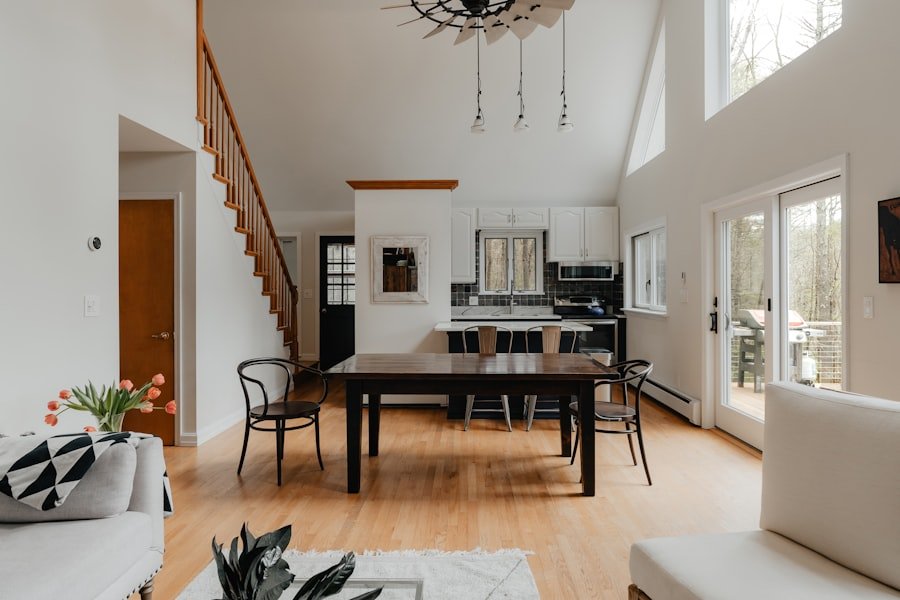
Laminate flooring has emerged as a popular choice for those seeking an affordable yet stylish alternative to hardwood. Composed of multiple layers, laminate flooring features a photographic layer that mimics the appearance of natural wood or stone, making it an attractive option for budget-conscious consumers. The durability of laminate is one of its standout features; it is resistant to scratches, dents, and fading, making it ideal for high-traffic areas such as living rooms and hallways.
One of the most appealing aspects of laminate flooring is its versatility. Available in an extensive range of designs, colors, and textures, laminate can seamlessly fit into any interior design scheme. Whether one desires the look of rustic oak or sleek slate tiles, laminate offers an array of choices that can cater to individual preferences.
Furthermore, the ease of installation—often featuring click-lock systems—allows homeowners to undertake DIY projects without requiring professional assistance. This accessibility has contributed to laminate’s popularity among those looking to refresh their spaces without incurring significant costs.
Vinyl Flooring: Durable and Stylish
Vinyl flooring has undergone a remarkable transformation over the years, evolving from basic sheet vinyl to sophisticated luxury vinyl tiles (LVT) and planks (LVP). This evolution has positioned vinyl as a leading contender in the modern flooring market due to its impressive durability and aesthetic appeal. Vinyl is inherently water-resistant, making it an excellent choice for areas prone to moisture, such as kitchens and bathrooms.
Its resilience against wear and tear ensures that it can withstand the rigors of daily life while maintaining its appearance over time. The design possibilities with vinyl are virtually limitless. Advanced printing technologies allow for realistic textures and patterns that replicate natural materials like wood and stone with remarkable accuracy.
Homeowners can achieve the look of high-end materials without the associated costs or maintenance requirements. Additionally, vinyl flooring is often softer underfoot compared to harder surfaces like tile or hardwood, providing added comfort for those who spend long hours standing or walking on it. With options ranging from bold colors to intricate designs, vinyl flooring can be tailored to suit any aesthetic preference.
Cork Flooring: Eco-Friendly and Comfortable
| Flooring Type | Cost per Square Foot | Durability (Years) | Installation Difficulty | Maintenance Level | Modern Features |
|---|---|---|---|---|---|
| Luxury Vinyl Plank (LVP) | 2 – 5 | 10 – 20 | Easy | Low | Waterproof, Scratch Resistant |
| Engineered Hardwood | 4 – 10 | 15 – 30 | Moderate | Medium | Real Wood Veneer, Eco-Friendly Options |
| Ceramic or Porcelain Tile | 3 – 8 | 20 – 50 | Hard | Low | Variety of Designs, Water Resistant |
| Bamboo Flooring | 3 – 7 | 10 – 25 | Moderate | Medium | Sustainable, Stylish |
| Cork Flooring | 3 – 6 | 10 – 20 | Moderate | Medium | Comfortable, Sound Absorbing |
| Laminate Flooring | 1.5 – 4 | 10 – 15 | Easy | Low | Scratch Resistant, Variety of Styles |
Cork flooring stands out as an eco-friendly alternative that combines sustainability with comfort. Harvested from the bark of cork oak trees without harming the tree itself, cork is a renewable resource that contributes positively to environmental conservation efforts. Its natural properties make it an excellent insulator against temperature fluctuations and sound transmission, creating a cozy atmosphere in any room.
The inherent cushioning of cork also provides a comfortable surface underfoot, making it an ideal choice for spaces where people spend extended periods. In addition to its comfort and sustainability benefits, cork flooring is available in various styles and finishes that can enhance any interior design scheme. It can be stained or sealed to achieve different looks while maintaining its natural texture.
The unique cellular structure of cork also makes it resistant to mold and mildew, contributing to healthier indoor air quality. As more consumers prioritize eco-conscious choices in their home renovations, cork flooring presents an attractive option that aligns with both aesthetic desires and environmental values.
Bamboo Flooring: Sustainable and Chic
Bamboo flooring has gained traction as a stylish and sustainable alternative to traditional hardwoods. As a fast-growing grass that reaches maturity in just three to five years, bamboo is one of the most renewable resources available for flooring materials. This rapid growth cycle allows for sustainable harvesting practices that minimize environmental impact while providing a durable product.
Bamboo’s natural hardness makes it comparable to some hardwoods in terms of durability, making it suitable for various applications within the home. The aesthetic appeal of bamboo is another reason for its rising popularity. Available in various colors and styles—ranging from light natural tones to darker carbonized finishes—bamboo can complement a wide array of design themes.
Its unique grain patterns add visual interest while maintaining a sleek appearance that aligns with contemporary design sensibilities. Additionally, bamboo flooring is relatively easy to maintain; regular sweeping and occasional damp mopping are typically sufficient to keep it looking its best. As consumers become increasingly aware of their ecological footprint, bamboo flooring offers an attractive solution that marries style with sustainability.
Concrete Flooring: Industrial and Contemporary
Concrete flooring has transitioned from being merely functional to becoming a sought-after design element in modern interiors. Its industrial aesthetic appeals to those who appreciate minimalist design and urban chic environments. Concrete can be polished or stained in various colors, allowing for customization that suits individual tastes while maintaining its inherent strength and durability.
This versatility makes concrete suitable for both residential and commercial spaces. One of the most significant advantages of concrete flooring is its longevity; when properly installed and maintained, concrete can last for decades without showing signs of wear. Its resistance to moisture makes it an excellent choice for basements or areas prone to spills.
Additionally, concrete’s thermal mass properties allow it to retain heat during colder months while remaining cool in warmer weather, contributing to energy efficiency in homes. As more designers embrace industrial aesthetics, concrete flooring continues to gain traction as a stylish yet practical option for contemporary spaces.
Tile Flooring: Timeless and Customizable
Tile flooring has long been revered for its durability and versatility, making it a staple in both residential and commercial settings. Available in an extensive range of materials—including ceramic, porcelain, glass, and natural stone—tile offers endless design possibilities that can cater to any aesthetic preference. From classic subway tiles in kitchens to intricate mosaics in bathrooms, tile can be used creatively to enhance the visual appeal of any space.
The practicality of tile flooring cannot be overstated; it is resistant to water damage, stains, and scratches, making it ideal for high-traffic areas or spaces exposed to moisture. Additionally, tile is easy to clean and maintain, requiring only regular sweeping and occasional mopping to keep it looking pristine. With advancements in technology allowing for realistic designs that mimic natural materials like wood or stone at a fraction of the cost, tile remains a popular choice among homeowners seeking both style and functionality.
The ability to mix and match different tile sizes, shapes, and colors further enhances its customizable nature, allowing individuals to create unique patterns that reflect their personal style. In conclusion, the modern flooring landscape offers an array of alternatives that cater to diverse preferences while addressing practical concerns such as durability and sustainability. Each option presents unique characteristics that can enhance both the aesthetic appeal and functionality of any space.
FAQs
What are some common modern alternatives to old flooring?
Common modern alternatives include luxury vinyl planks (LVP), laminate flooring, engineered hardwood, ceramic or porcelain tiles, and bamboo flooring. These options offer durability, aesthetic appeal, and easier installation compared to traditional flooring.
Is it necessary to remove old flooring before installing new flooring?
In most cases, yes. Removing old flooring ensures a smooth, clean surface for the new material, which helps with proper adhesion and longevity. However, some modern flooring types like certain vinyl planks can be installed over existing floors if the surface is flat and in good condition.
How do I prepare the subfloor before installing new flooring?
Preparation involves cleaning the subfloor thoroughly, repairing any damage, leveling uneven areas, and ensuring it is dry. Proper preparation is crucial to prevent issues like warping, cracking, or uneven wear in the new flooring.
Can I replace old flooring myself, or should I hire a professional?
While some flooring types like laminate or vinyl planks are DIY-friendly, others such as tile or engineered hardwood may require professional installation to ensure quality and durability. Consider your skill level, tools, and the complexity of the project before deciding.
What factors should I consider when choosing a modern flooring alternative?
Consider durability, maintenance requirements, cost, installation method, aesthetic preferences, and the specific needs of the room (e.g., moisture resistance for bathrooms). Also, think about the environmental impact and whether you prefer sustainable materials.
How long does it typically take to replace old flooring with modern alternatives?
The timeline varies depending on the flooring type, room size, and whether old flooring needs to be removed. Small rooms with easy-to-install flooring can take a day or two, while larger areas or complex installations may take several days to a week.
Are modern flooring alternatives more energy-efficient or eco-friendly?
Many modern flooring options are designed with sustainability in mind. For example, bamboo is a rapidly renewable resource, and some vinyl and laminate products are made with recycled materials. Additionally, some flooring types offer better insulation properties, contributing to energy efficiency.
What maintenance is required for modern flooring alternatives?
Maintenance varies by material. Vinyl and laminate floors typically require regular sweeping and occasional mopping with manufacturer-recommended cleaners. Hardwood floors may need periodic refinishing, while tile floors require grout cleaning. Always follow specific care instructions for your flooring type.