
Sri Lanka’s tea industry originated in the early 19th century during a period of agricultural experimentation and colonial expansion. The island initially focused on coffee production, which remained profitable until a severe blight in the 1860s destroyed the coffee crops. Facing this agricultural crisis, planters sought alternative cash crops and turned to tea cultivation.
The first successful tea estate in Sri Lanka was established in 1867 by James Taylor, a Scottish planter, in the Kandy region. Taylor’s pioneering work established the foundation for what would become a major industry in Sri Lanka. Although local populations were initially unfamiliar with tea cultivation, Taylor’s systematic approach proved successful.
He employed techniques including careful pruning and selective harvesting to produce high-quality tea suited to Sri Lanka’s climate and geography. Sri Lanka’s natural conditions—its elevation, rainfall patterns, and fertile soil—provided ideal growing conditions for tea. As Taylor’s estate demonstrated commercial viability, other planters invested in tea cultivation, resulting in rapid industry expansion throughout the late 19th century.
The Impact of British Colonialism on Sri Lanka’s Tea Plantations
British colonialism played a pivotal role in shaping the landscape of Sri Lanka’s tea plantations. The British established a system of large-scale plantations that relied heavily on imported labor, primarily from South India. This influx of workers transformed the demographic makeup of the plantation regions and created a distinct socio-economic structure that persists to this day.
The colonial government implemented policies that favored tea production, providing infrastructure such as roads and railways to facilitate the transport of tea to ports for export. This investment not only bolstered the tea industry but also integrated Sri Lanka into global trade networks. The impact of British colonialism extended beyond economic factors; it also influenced social dynamics within the plantation communities.
The introduction of Indian Tamil laborers led to cultural exchanges and tensions between different ethnic groups. While the British reaped substantial profits from tea exports, the laborers often faced harsh working conditions, low wages, and limited rights. This exploitation laid the foundation for ongoing social issues that would emerge long after independence.
The legacy of colonialism is evident in the continued reliance on plantation agriculture and the complex relationships between various ethnic communities in Sri Lanka.
The Rise of Ceylon Tea as a Global Commodity
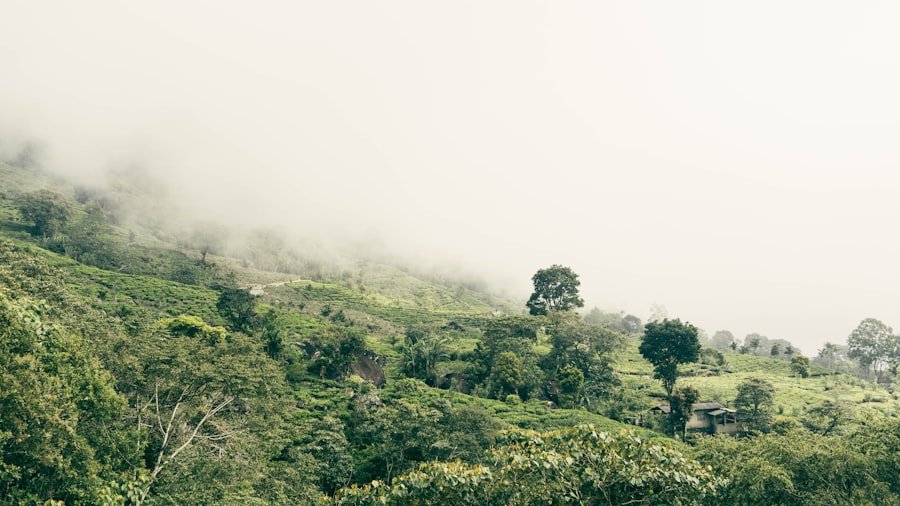
Ceylon tea quickly gained recognition as a premium product on the global market, thanks to its distinctive flavor profile and high quality. By the late 19th century, Ceylon tea had established itself as a formidable competitor to other tea-producing regions such as India and China. The unique climatic conditions of Sri Lanka, combined with meticulous cultivation practices, contributed to the development of various tea varieties that appealed to diverse consumer preferences.
The island’s elevation allowed for the production of different grades of tea, ranging from robust black teas to delicate green teas. Marketing strategies also played a crucial role in elevating Ceylon tea’s status worldwide. The British colonial administration and local planters capitalized on the exotic allure of Ceylon, promoting it as a luxurious beverage associated with refinement and sophistication.
The establishment of brands such as Lipton and Dilmah further solidified Ceylon tea’s reputation in international markets. By the early 20th century, Ceylon tea had become synonymous with quality, leading to increased demand from countries around the world. This surge in popularity not only boosted export revenues but also positioned Sri Lanka as one of the leading tea producers globally.
The Role of Tea Plantations in Sri Lanka’s Economy
Tea plantations have long been a cornerstone of Sri Lanka’s economy, contributing significantly to national income and employment. As one of the largest exporters of tea in the world, Sri Lanka relies heavily on this industry for foreign exchange earnings. In recent years, tea exports have accounted for a substantial portion of the country’s total export revenue, underscoring its importance in maintaining economic stability.
The industry provides direct employment to hundreds of thousands of workers, primarily in rural areas where alternative job opportunities may be limited. Beyond direct employment, tea plantations also stimulate local economies through ancillary services and industries. The presence of plantations fosters demand for goods and services such as transportation, packaging, and processing facilities.
Additionally, smallholder farmers often engage in tea cultivation alongside larger estates, creating a network of interdependence that supports rural livelihoods. However, while the economic benefits are significant, they are often accompanied by challenges related to labor rights and environmental sustainability that must be addressed to ensure long-term viability.
The Cultural Heritage of Sri Lanka’s Tea Plantations
| Tea Plantation | Location | Year Established | Altitude (meters) | Annual Production (tons) | Famous Tea Type | Visitor Facilities |
|---|---|---|---|---|---|---|
| Pedro Tea Estate | Nuwara Eliya | 1847 | 1,900 | 1,200 | High Grown Black Tea | Guided Tours, Tea Tasting |
| Loolecondera Estate | Hatton | 1867 | 1,200 | 900 | High Grown Black Tea | Tea Factory Visits, Museum |
| Haputale Tea Estate | Haputale | 1870 | 1,400 | 1,000 | High Grown Black Tea | Nature Trails, Tea Tasting |
| Castlereagh Estate | Nuwara Eliya | 1880 | 1,850 | 1,100 | High Grown Black Tea | Guided Tours, Tea Shop |
| St. Coombs Estate | Hatton | 1870 | 1,300 | 950 | High Grown Black Tea | Tea Factory Visits, Tea Tasting |
The cultural heritage surrounding Sri Lanka’s tea plantations is rich and multifaceted, reflecting a blend of indigenous traditions and colonial influences. Tea cultivation has become an integral part of Sri Lankan identity, with rituals and customs evolving around its production and consumption. For many communities living near plantations, tea is not just an economic commodity but also a cultural symbol that represents hospitality and social connection.
Traditional ceremonies often feature tea as a central element, showcasing its significance in daily life. Moreover, the architecture and landscape of tea estates contribute to this cultural narrative. Many plantations are adorned with colonial-era bungalows that serve as reminders of the British influence on the island’s agricultural practices.
These structures often feature distinctive architectural styles that blend European designs with local materials and craftsmanship. Visitors to these estates can experience not only the beauty of the lush landscapes but also gain insight into the historical context that shaped them. The preservation of this cultural heritage is vital for promoting tourism and fostering appreciation for Sri Lanka’s unique tea legacy.
The Challenges Faced by Modern Tea Plantations
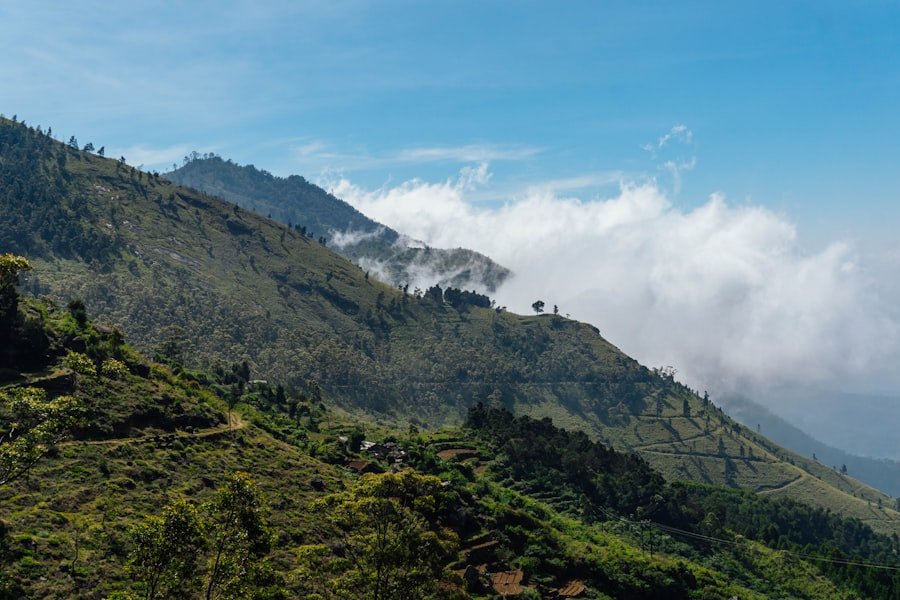
Despite its historical significance and economic contributions, Sri Lanka’s tea industry faces numerous challenges in the modern era. One major issue is climate change, which poses a significant threat to agricultural productivity. Changes in rainfall patterns, increased temperatures, and extreme weather events can adversely affect tea yields and quality.
Plantations are grappling with how to adapt their practices to mitigate these impacts while maintaining profitability. Labor issues also present ongoing challenges for modern tea plantations. Many workers continue to face poor working conditions and inadequate wages despite the industry’s profitability.
Strikes and protests have emerged as laborers demand better rights and compensation for their work. Additionally, there is growing pressure from consumers for ethical sourcing practices, prompting some plantations to reevaluate their labor policies and implement fair trade standards. Balancing economic viability with social responsibility remains a critical concern for stakeholders within the industry.
Sustainable Practices in Sri Lanka’s Tea Industry
In response to environmental concerns and changing consumer preferences, there has been a growing movement towards sustainable practices within Sri Lanka’s tea industry. Many plantations are adopting organic farming methods that eschew synthetic pesticides and fertilizers in favor of natural alternatives. This shift not only helps preserve biodiversity but also appeals to health-conscious consumers seeking organic products.
Certification programs such as Rainforest Alliance and Fair Trade have gained traction among producers aiming to demonstrate their commitment to sustainability. Additionally, initiatives aimed at reducing water usage and improving waste management are becoming increasingly common among tea estates. By implementing efficient irrigation systems and recycling waste materials, plantations can minimize their environmental footprint while enhancing productivity.
These sustainable practices not only benefit the environment but also improve the overall quality of tea produced, further solidifying Ceylon’s reputation as a premium product on global markets.
Exploring Sri Lanka’s Historic Tea Plantations: Must-Visit Locations
For those interested in experiencing Sri Lanka’s rich tea heritage firsthand, several historic plantations offer captivating insights into this vital industry. One notable destination is the Pedro Tea Estate located near Nuwara Eliya, renowned for its picturesque landscapes and high-quality black teas. Visitors can take guided tours through lush fields while learning about traditional harvesting methods and processing techniques.
Another must-visit location is the Lipton’s Seat at the Lipton Tea Estate in Haputale, which provides breathtaking panoramic views over rolling hills covered in vibrant green tea bushes. This estate is steeped in history; it was established by Sir Thomas Lipton himself in the late 19th century. Visitors can explore the estate’s charming visitor center while enjoying freshly brewed cups of Ceylon tea amidst stunning scenery.
The Dimbulla Valley is also worth exploring for its historical significance and scenic beauty. Known for producing some of Sri Lanka’s finest teas, this region features several estates that date back to colonial times. Tourists can engage with local farmers and learn about traditional cultivation practices while enjoying breathtaking views of terraced plantations against a backdrop of misty mountains.
These locations not only highlight the beauty of Sri Lanka’s tea landscapes but also provide opportunities for visitors to connect with local communities and gain a deeper understanding of the cultural significance behind this beloved beverage.
FAQs
What is the significance of tea plantations in Sri Lanka?
Tea plantations in Sri Lanka are historically significant as they played a crucial role in the country’s economy and colonial history. Sri Lanka, formerly known as Ceylon, is renowned for producing high-quality tea, which is a major export product and a symbol of the nation’s heritage.
Where are the main tea plantation regions in Sri Lanka located?
The main tea plantation regions in Sri Lanka are located in the central highlands, particularly in areas such as Nuwara Eliya, Kandy, and Ella. These regions have the ideal climate and altitude for growing tea.
Can visitors tour tea plantations in Sri Lanka?
Yes, many tea plantations in Sri Lanka offer guided tours where visitors can learn about the tea production process, from plucking the leaves to processing and packaging. Some plantations also have tea factories and museums open to the public.
What types of tea are produced in Sri Lanka?
Sri Lanka primarily produces Ceylon tea, which includes black, green, and white teas. The black tea variety is the most famous and widely exported.
When is the best time to visit tea plantations in Sri Lanka?
The best time to visit tea plantations is generally during the dry seasons, from December to March and July to September, when the weather is more favorable for sightseeing and plantation tours.
Are there any cultural or historical landmarks associated with tea plantations?
Yes, many tea plantations have colonial-era bungalows, factories, and museums that reflect the British colonial history of tea cultivation in Sri Lanka. These landmarks provide insight into the heritage and development of the tea industry.
Is it possible to purchase tea directly from plantations?
Many tea plantations have gift shops or visitor centers where tourists can purchase fresh Ceylon tea and related products directly from the source.
How has tea cultivation impacted the environment in Sri Lanka?
Tea cultivation has shaped the landscape of Sri Lanka’s central highlands, creating vast plantations. While it has contributed to economic development, there are ongoing efforts to promote sustainable farming practices to minimize environmental impact.
What should visitors wear when touring tea plantations?
Visitors are advised to wear comfortable clothing and sturdy footwear suitable for walking on uneven terrain. It is also recommended to bring a hat and sunscreen due to exposure to the sun.
Are tea plantation tours suitable for children?
Tea plantation tours can be educational and enjoyable for children, but it is important to check with the specific plantation regarding age restrictions and tour suitability. Some tours may involve walking and factory visits that require supervision.