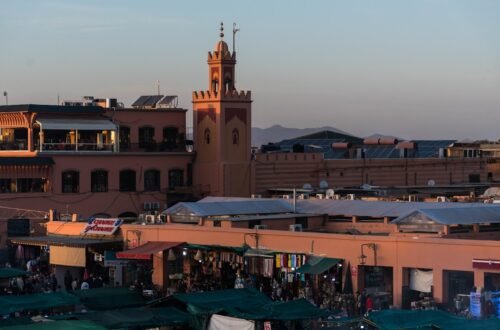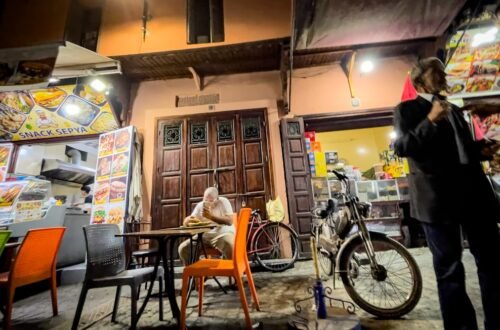
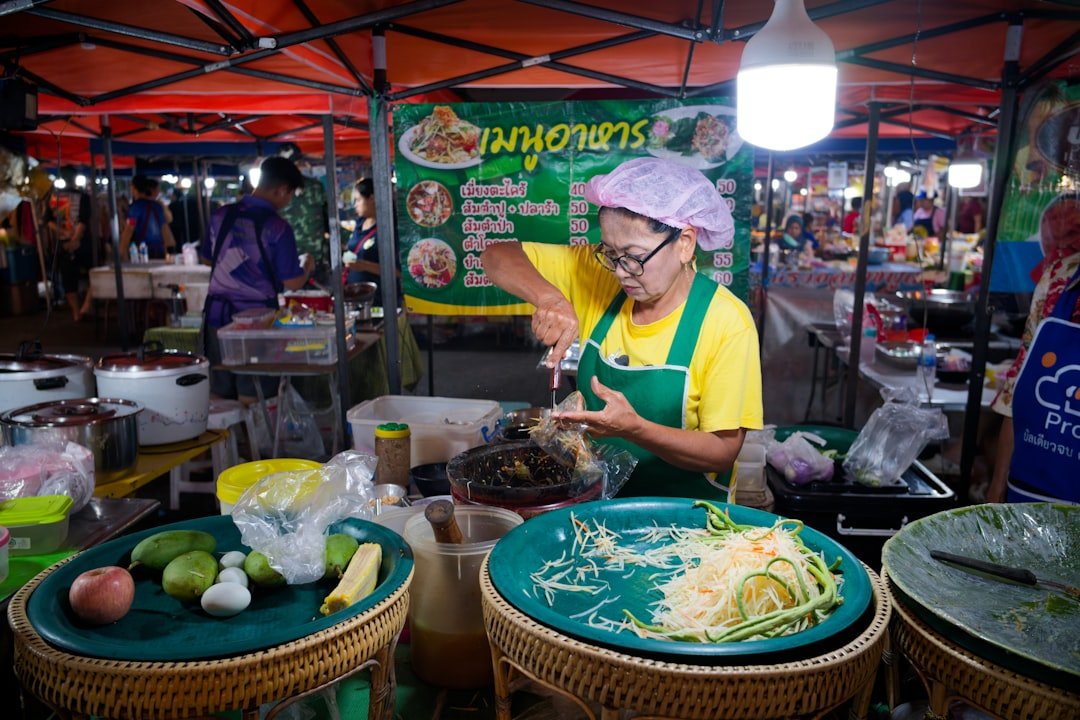
Kuala Lumpur, the capital of Malaysia, is characterized by its cultural diversity and varied culinary traditions. The city’s street food markets represent a significant aspect of its food culture, offering authentic examples of Malaysian cuisine. These markets function as important social spaces where both residents and visitors gather to sample traditional dishes.
The variety of available foods reflects the multicultural composition of the city’s population, with offerings including satay and nasi lemak among many other regional specialties. Kuala Lumpur’s street food markets are notable for their sensory environment. The visual presentation of food stalls, combined with cooking aromas and vendor interactions, creates a distinctive atmosphere.
These markets provide insight into the daily life and social practices of Kuala Lumpur residents. The street food culture demonstrates the city’s multicultural character and reflects the communal aspects of Malaysian society.
The History and Culture of Street Food in Kuala Lumpur
The history of street food in Kuala Lumpur is deeply intertwined with the city’s development. As a trading hub since the 19th century, Kuala Lumpur attracted a diverse population, including Malays, Chinese, Indians, and various indigenous groups. Each community brought its culinary traditions, which gradually blended to create a unique gastronomic landscape.
Street food emerged as a practical solution for workers and traders who needed quick, affordable meals that could be enjoyed on the go. Over time, these humble beginnings evolved into a vibrant street food culture that is now an integral part of Kuala Lumpur’s identity. Culturally, street food serves as a bridge between generations and communities.
It is not uncommon to see families gathering around food stalls, sharing stories and laughter over their favorite dishes. This communal aspect fosters a sense of belonging and connection among people from different backgrounds. Festivals and night markets often feature traditional performances and cultural displays, further enriching the experience.
The street food scene in Kuala Lumpur is thus not just about satisfying hunger; it is a celebration of the city’s rich heritage and the bonds that unite its diverse population.
The Best Street Food Markets in Kuala Lumpur
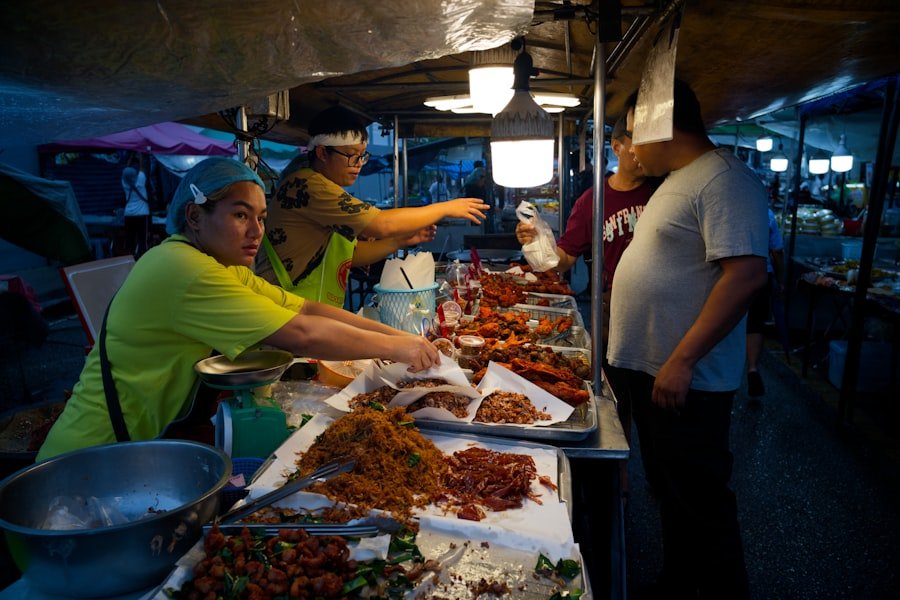
Kuala Lumpur boasts an array of street food markets, each with its own unique charm and specialties. One of the most famous is Jalan Alor, located in the heart of Bukit Bintang. This bustling street transforms into a vibrant food haven at night, with stalls offering everything from grilled seafood to delectable desserts.
The atmosphere is electric, with neon lights illuminating the faces of eager diners as they sample dishes from various vendors. Jalan Alor is particularly known for its satay skewers, which are marinated in a blend of spices and grilled to perfection over open flames. Another must-visit market is Petaling Street, situated in Chinatown.
This market is steeped in history and offers a wide range of Chinese delicacies. As you wander through the narrow lanes lined with stalls, you can indulge in iconic dishes such as char kway teow (stir-fried flat rice noodles) and wantan mee (noodles with dumplings). The vibrant atmosphere is enhanced by the sounds of haggling and the aroma of freshly cooked food wafting through the air.
Petaling Street is not just a culinary destination; it also serves as a cultural landmark that reflects the rich heritage of Kuala Lumpur’s Chinese community.
Must-Try Dishes at Kuala Lumpur’s Street Food Markets
When exploring Kuala Lumpur’s street food markets, there are several must-try dishes that encapsulate the essence of Malaysian cuisine. Nasi lemak is often hailed as the national dish and is a staple found at many stalls. This fragrant rice dish is cooked in coconut milk and served with sambal (spicy chili paste), fried anchovies, peanuts, boiled eggs, and cucumber.
Each component harmonizes beautifully, creating a symphony of flavors that is both satisfying and comforting. Another iconic dish is roti canai, a flaky flatbread that has Indian origins but has become a beloved part of Malaysian cuisine. Vendors often serve it with dhal (lentil curry) or chicken curry for dipping.
The skillful tossing and flipping of the dough by street vendors is a sight to behold, showcasing their expertise and dedication to their craft. For those with a sweet tooth, cendol is a refreshing dessert made from shaved ice topped with green rice flour jelly, coconut milk, and palm sugar syrup. This delightful treat provides a perfect balance to the heat of spicy dishes.
Tips for Navigating and Enjoying Street Food Markets in Kuala Lumpur
| Street Food Market | Location | Popular Dishes | Operating Hours | Average Price per Dish | Visitor Rating (out of 5) |
|---|---|---|---|---|---|
| Jalan Alor | Bukit Bintang | Satay, Char Kway Teow, Hokkien Mee | 6 PM – 12 AM | 5 – 10 | 4.5 |
| Petaling Street Market | Chinatown | Hainanese Chicken Rice, Curry Laksa, Rojak | 10 AM – 10 PM | 3 – 8 | 4.2 |
| Taman Connaught Night Market | Cheras | Grilled Seafood, Fried Oyster Omelette, Bubble Tea | 5 PM – 12 AM (Wednesdays only) | 4 – 9 | 4.6 |
| SS2 Night Market | Petaling Jaya | Roti Canai, Satay, Fried Noodles | 5 PM – 11 PM (Wednesdays only) | 3 – 7 | 4.3 |
| Pasar Malam Taman Tun Dr Ismail | TTDI | Popiah, Nasi Lemak, Lok Lok | 6 PM – 11 PM (Fridays only) | 4 – 8 | 4.4 |
Navigating Kuala Lumpur’s street food markets can be an exhilarating experience, but it also requires some savvy to make the most of your culinary adventure. First and foremost, it’s essential to go during peak hours when vendors are at their busiest. This not only ensures that you get freshly prepared food but also allows you to soak in the lively atmosphere that characterizes these markets.
Evening hours are particularly vibrant, as families and friends gather to enjoy their meals together. Another tip is to observe where locals are eating; this often indicates which stalls serve the best food. Don’t hesitate to ask for recommendations or even engage in conversation with vendors about their specialties.
Many are eager to share their stories and passion for their craft. Additionally, be adventurous—try dishes that may be unfamiliar to you. The beauty of street food lies in its diversity; stepping out of your comfort zone can lead to delightful surprises.
The Role of Street Food in Kuala Lumpur’s Culinary Scene
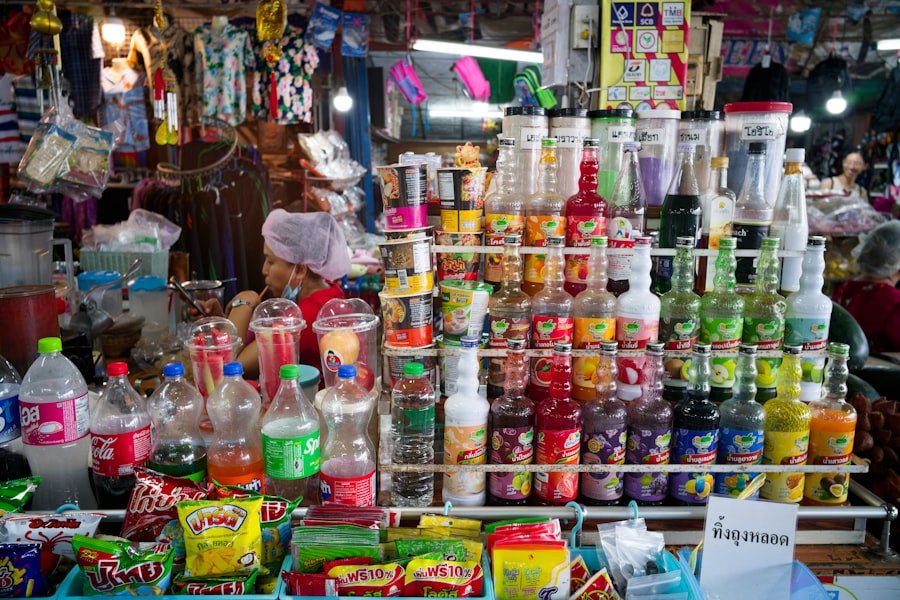
Street food plays a pivotal role in shaping Kuala Lumpur’s culinary landscape. It serves as an accessible entry point for both locals and tourists to explore Malaysian cuisine without breaking the bank. The affordability of street food allows people from all walks of life to enjoy delicious meals while fostering a sense of community around shared culinary experiences.
Moreover, street food markets often act as incubators for aspiring chefs and entrepreneurs who wish to showcase their culinary talents without the high overhead costs associated with traditional restaurants. The influence of street food extends beyond mere sustenance; it has also inspired fine dining establishments across the city. Many chefs draw inspiration from traditional street food dishes, reinterpreting them with modern techniques and presentation styles.
This fusion of street food culture with haute cuisine has led to an exciting culinary evolution in Kuala Lumpur, where classic flavors meet innovative approaches.
The Impact of Street Food Markets on Local Communities in Kuala Lumpur
Street food markets have a profound impact on local communities in Kuala Lumpur, serving as vital economic engines that provide livelihoods for countless individuals. Many vendors come from humble backgrounds and rely on their stalls as their primary source of income. The success of these markets not only supports individual families but also contributes to the local economy by attracting both domestic and international tourists who seek authentic culinary experiences.
Moreover, these markets foster social cohesion by bringing together people from diverse backgrounds. They serve as communal spaces where individuals can connect over shared meals and cultural exchanges. Events such as night markets often feature live performances and cultural showcases that celebrate Malaysia’s rich heritage, further strengthening community ties.
In this way, street food markets transcend mere commerce; they become vital social hubs that promote inclusivity and cultural appreciation.
The Future of Street Food Markets in Kuala Lumpur
As Kuala Lumpur continues to evolve as a global city, the future of its street food markets appears promising yet challenging. On one hand, there is an increasing recognition of the value of street food as an integral part of Malaysia’s cultural identity. Efforts are being made by local authorities to preserve these markets while ensuring they remain accessible to both vendors and consumers.
Initiatives aimed at improving hygiene standards and infrastructure can enhance the overall experience without compromising authenticity. However, challenges such as urbanization and gentrification pose threats to traditional street food markets. As real estate prices rise, many vendors face pressure to relocate or shut down their stalls altogether.
To combat this trend, there is a growing movement advocating for the protection of these culinary spaces as cultural heritage sites. By promoting awareness about the significance of street food in Kuala Lumpur’s identity, stakeholders hope to ensure that future generations can continue to enjoy this vibrant aspect of Malaysian life. In conclusion, Kuala Lumpur’s street food markets are more than just places to eat; they are living embodiments of the city’s history, culture, and community spirit.
As they navigate the complexities of modern urban life, these markets remain resilient symbols of Malaysia’s rich culinary heritage and continue to play an essential role in shaping the city’s identity for years to come.
FAQs
What are the best street food markets to visit in Kuala Lumpur?
Some of the most popular street food markets in Kuala Lumpur include Jalan Alor, Petaling Street (Chinatown), Taman Connaught Night Market, and Kampung Baru Night Market. Each offers a unique variety of local Malaysian dishes and snacks.
What types of food can I expect to find at Kuala Lumpur street food markets?
You can find a wide range of Malaysian street foods such as satay (grilled meat skewers), nasi lemak (coconut rice with accompaniments), char kway teow (stir-fried flat noodles), roti canai (flaky flatbread), and various seafood, desserts, and tropical fruits.
Are street food markets in Kuala Lumpur safe to eat at?
Yes, street food markets in Kuala Lumpur are generally safe to eat at. Vendors often follow hygiene practices, but it is advisable to choose stalls that are busy and have a high turnover of food to ensure freshness.
When are the street food markets in Kuala Lumpur open?
Most street food markets in Kuala Lumpur operate in the evenings, typically from around 6 PM to midnight. Some markets, like Taman Connaught Night Market, are open only on specific days of the week.
Is it easy to get to Kuala Lumpur street food markets using public transportation?
Yes, many street food markets in Kuala Lumpur are accessible by public transportation such as the LRT (Light Rail Transit), MRT (Mass Rapid Transit), and buses. For example, Jalan Alor is within walking distance from Bukit Bintang MRT station.
Can I find vegetarian or halal options at Kuala Lumpur street food markets?
Yes, many street food vendors offer vegetarian and halal options. Malaysia has a significant Muslim population, so halal food is widely available. It is always good to ask the vendor if you have specific dietary requirements.
Is it customary to bargain at street food markets in Kuala Lumpur?
Bargaining is generally not common or expected at street food markets in Kuala Lumpur, as prices are usually fixed and affordable. However, you might negotiate prices for bulk purchases or souvenirs at nearby stalls.
What is the best way to experience Kuala Lumpur street food markets?
The best way to experience these markets is to arrive hungry, try a variety of dishes from different stalls, and enjoy the vibrant atmosphere. Going with locals or joining a food tour can enhance the experience and help you discover hidden gems.