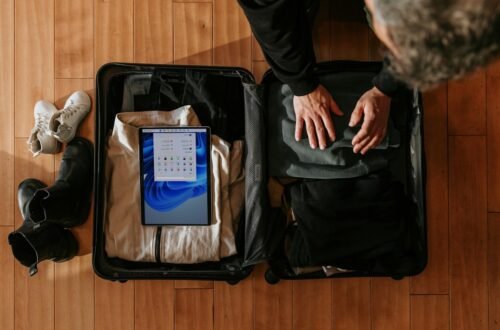
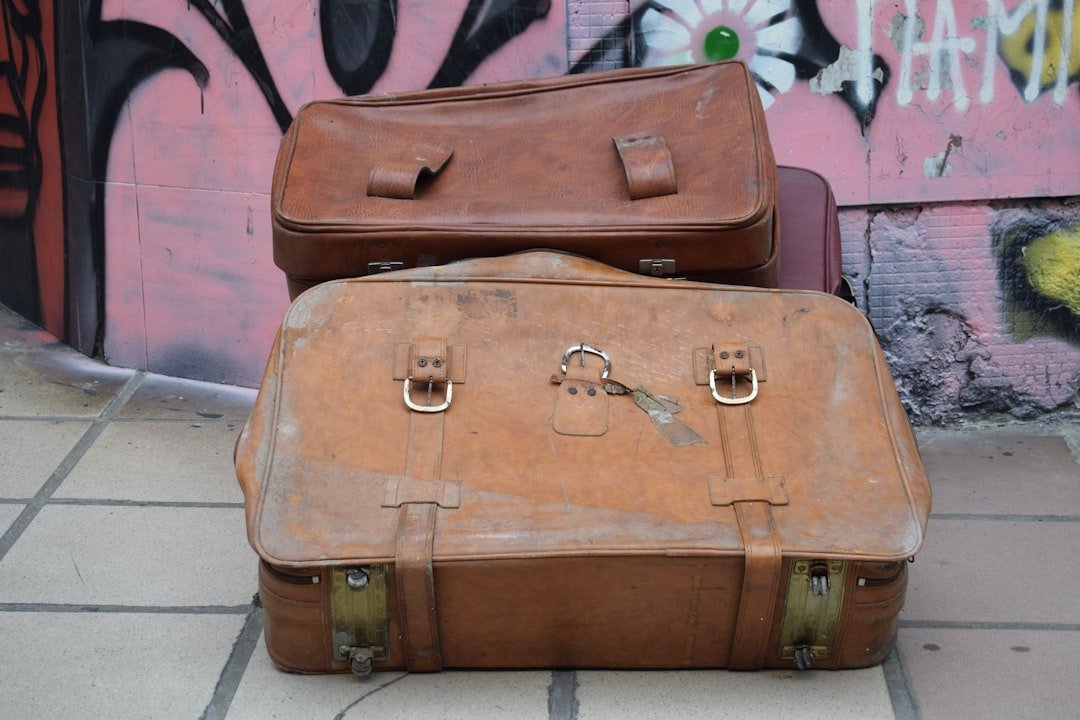
Before beginning any trip, assess your specific travel requirements. Consider the trip’s purpose, length of stay, and planned activities. A weekend beach vacation requires different clothing and equipment than a week-long business trip to a city.
Identifying your trip’s primary purpose allows you to create a focused packing list with essential items while avoiding unnecessary luggage. Understanding your travel needs also means recognizing your personal preferences and comfort requirements. Some travelers prioritize style and fashion, while others value practicality and comfort.
If you plan to explore cities on foot, comfortable walking shoes are essential. If you will attend formal events, appropriate attire is necessary. Matching your packing strategy to your travel needs improves your overall experience and reduces travel-related stress.
Choosing Versatile Clothing
When it comes to travel, versatility in clothing is key. Selecting pieces that can be mixed and matched allows for a variety of outfits without taking up excessive space in your luggage. Neutral colors such as black, white, and beige can serve as a foundation for your wardrobe, enabling you to create different looks with minimal effort.
For example, a simple black dress can be dressed up with accessories for an evening out or paired with a denim jacket for a casual day of sightseeing. Moreover, consider fabrics that are wrinkle-resistant and quick-drying. Materials like merino wool or synthetic blends can be ideal for travel as they maintain their shape and can be washed easily in a hotel sink if needed.
Layering is another effective strategy; lightweight cardigans or scarves can add warmth without bulk and can be easily removed when temperatures rise. By focusing on versatile clothing options, you not only save space but also ensure that you are prepared for various occasions throughout your trip.
Packing Light and Efficiently
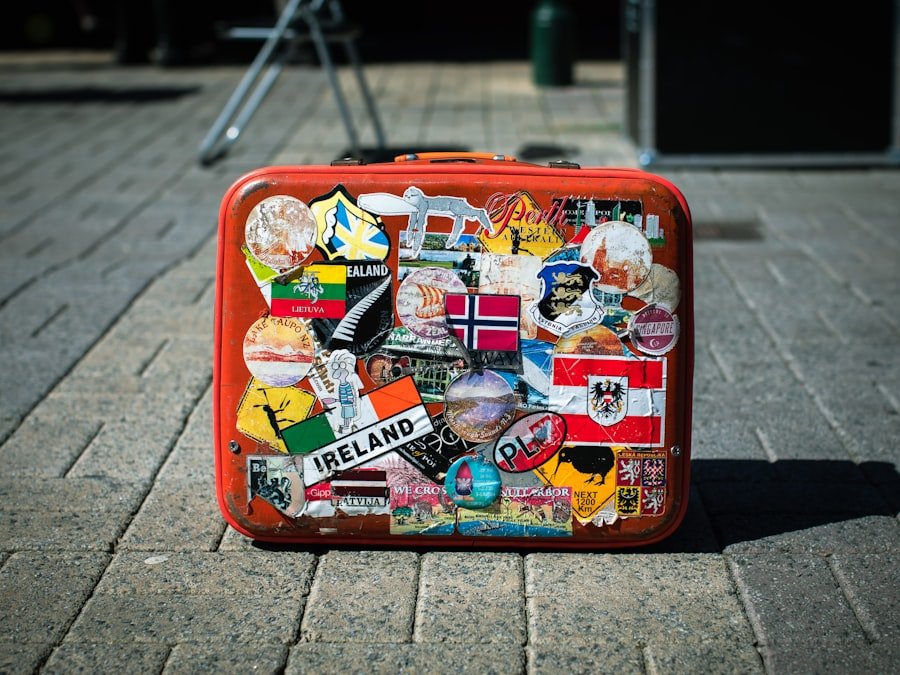
Packing light is an art form that can significantly enhance your travel experience. The first step in this process is to create a comprehensive packing list that outlines all the essentials you will need for your trip. This list should be tailored to the specific activities you plan to engage in, allowing you to avoid unnecessary items that may weigh you down.
A good rule of thumb is to aim for a capsule wardrobe that consists of a few key pieces that can be interchanged. One effective technique for packing light is the rolling method, where clothing is rolled tightly rather than folded. This not only saves space but also minimizes wrinkles.
Additionally, consider the use of travel-sized containers for liquids and toiletries, which can help reduce bulk while still providing you with the necessary items for personal care. By adopting a minimalist approach to packing, you can navigate airports and train stations with ease, allowing for a more enjoyable travel experience.
Utilizing Packing Cubes and Organizers
Packing cubes and organizers have revolutionized the way travelers approach their luggage. These handy tools allow for better organization within your suitcase, making it easier to locate items without having to rummage through everything. By categorizing clothing into different cubes—such as one for tops, another for bottoms, and a third for undergarments—you can maintain order throughout your trip.
This not only saves time but also helps prevent the frustration of digging through a disorganized bag. Furthermore, packing cubes can also serve as compression bags, allowing you to maximize space by squeezing out excess air. This is particularly useful for bulkier items like jackets or sweaters.
Some travelers even use smaller pouches for accessories or electronics, ensuring that everything has its designated spot. By utilizing packing cubes and organizers effectively, you can streamline your packing process and maintain organization during your travels.
Investing in Multi-purpose Travel Gear
| Metric | Description | Recommended Value/Range | Notes |
|---|---|---|---|
| Average Packing Time | Time taken to pack for a trip | 15-30 minutes | Optimized packing system reduces time significantly |
| Number of Packing Cubes | Quantity of packing cubes used per trip | 3-5 cubes | Helps organize clothes by category or day |
| Luggage Weight | Total weight of packed luggage | 7-10 kg (carry-on) | Lightweight packing preferred for frequent travelers |
| Essential Items Checklist Completion | Percentage of essential items packed | 100% | Ensures nothing important is forgotten |
| Number of Multi-use Items | Count of items serving multiple purposes | 5-7 items | Reduces overall packing volume |
| Frequency of Laundry | Number of times laundry is done during trips | Every 3-5 days | Allows packing fewer clothes |
| Space Utilization Efficiency | Percentage of luggage space effectively used | 85-95% | Maximizes packing capacity without overstuffing |
| Backup Items Count | Number of backup essentials packed | 2-3 items | Preparedness for unexpected situations |
In an age where efficiency is paramount, investing in multi-purpose travel gear can significantly enhance your travel experience. Items designed with versatility in mind not only save space but also reduce the need for multiple products. For instance, a travel backpack that converts into a daypack allows you to carry all your essentials while exploring without needing an additional bag.
Similarly, clothing items that can transition from day to night—such as a pair of stylish yet comfortable pants—can serve multiple purposes throughout your trip. Another example of multi-purpose gear is a travel jacket equipped with hidden pockets for storing valuables or even built-in neck pillows for added comfort during long flights. These innovative designs cater to the needs of modern travelers who seek functionality without sacrificing style.
By prioritizing multi-purpose items in your packing strategy, you can simplify your travel experience while ensuring that you have everything necessary at hand.
Minimizing Toiletries and Cosmetics
Toiletries and cosmetics often take up more space than travelers anticipate. To minimize this aspect of packing, consider adopting a streamlined approach to personal care products. Start by evaluating which items are absolutely essential for your daily routine and which can be left behind or substituted with multi-use products.
For example, a tinted moisturizer with SPF can serve as both skincare and makeup, reducing the need for separate products. Travel-sized containers are invaluable when it comes to toiletries; they allow you to bring only what you need without carrying full-sized bottles that add unnecessary weight. Many brands offer travel kits that include shampoo, conditioner, body wash, and other essentials in compact sizes.
Additionally, consider solid alternatives such as shampoo bars or lotion bars that eliminate the need for liquid containers altogether. By minimizing toiletries and cosmetics effectively, you can free up valuable space in your luggage while still maintaining your personal care routine.
Planning Ahead for Different Climates
Traveling often means encountering varying climates, which necessitates careful planning when it comes to clothing and gear. Before departing, research the weather conditions at your destination during your stay. This will help you pack appropriately and avoid being caught off guard by unexpected weather changes.
For instance, if you’re traveling to a region known for sudden rain showers, including a lightweight waterproof jacket or an umbrella in your packing list is wise. Layering becomes particularly important when dealing with fluctuating temperatures. Packing items such as long-sleeve shirts that can be worn under short-sleeve tops or lightweight sweaters that can be easily added or removed allows for adaptability throughout the day.
Additionally, consider versatile footwear; shoes that are suitable for both warm and cool weather can save space while ensuring comfort during various activities. By planning ahead for different climates, you can navigate any weather challenges with ease.
Staying Organized Throughout Your Trip
Once you’ve arrived at your destination, maintaining organization becomes essential for a smooth travel experience. One effective strategy is to establish designated areas for different items within your accommodation—such as keeping dirty laundry in one corner and toiletries in another—to prevent clutter from accumulating. This simple practice not only keeps your living space tidy but also makes it easier to locate items when needed.
Moreover, consider using digital tools to stay organized during your travels. Apps designed for itinerary management can help keep track of reservations, activities, and important documents all in one place. Additionally, maintaining a travel journal or digital notes can assist in documenting experiences while providing a reference for future trips.
By prioritizing organization throughout your journey, you can focus on enjoying the experience rather than stressing over misplaced items or chaotic surroundings.
FAQs
What is a travel-friendly packing system?
A travel-friendly packing system is an organized method of packing that maximizes space, minimizes weight, and ensures easy access to essential items during frequent trips. It often involves using packing cubes, compression bags, and a standardized list of essentials.
Why is having a packing system important for frequent travelers?
Having a packing system helps frequent travelers save time, reduce stress, avoid overpacking, and ensure they have everything they need. It also makes unpacking and repacking more efficient, especially when moving between multiple destinations.
What are packing cubes and how do they help?
Packing cubes are lightweight, zippered fabric containers that help organize clothing and accessories within a suitcase. They keep items separated, reduce wrinkles, and make it easier to find specific items without unpacking the entire bag.
How can I create a packing list for frequent trips?
Start by listing essential clothing, toiletries, electronics, and travel documents. Consider the climate and activities planned for each trip. Keep a master list that can be adjusted based on trip length and destination, and update it regularly based on experience.
What types of luggage are best for frequent travelers?
Durable, lightweight, and easy-to-maneuver luggage such as carry-on sized suitcases with spinner wheels are ideal. Backpacks with multiple compartments can also be useful for hands-free travel. The choice depends on personal preference and the nature of the trips.
How can I pack efficiently to avoid overpacking?
Choose versatile clothing items that can be mixed and matched, use packing cubes to organize, roll clothes to save space, and limit shoes and bulky items. Prioritize essentials and plan to do laundry during longer trips to reduce the amount of clothing needed.
Are there any tips for packing toiletries for frequent trips?
Use travel-sized containers, pack toiletries in a waterproof bag to prevent leaks, and consider solid alternatives like bar shampoo or toothpaste tablets to save space and comply with airline regulations.
How can I keep my packing system consistent across different trips?
Maintain a master packing list, keep packing cubes or bags labeled and ready, and store travel essentials in a dedicated toiletry or electronics kit. Regularly review and update your system based on what you use and don’t use.
Can technology help with creating a packing system?
Yes, there are apps and digital checklists designed to help travelers create and manage packing lists, track items, and get reminders. These tools can streamline the packing process and ensure nothing is forgotten.
What should I do if I need to pack for different climates or activities?
Adjust your packing list to include weather-appropriate clothing and gear. Use modular packing cubes to separate items by activity or climate, making it easier to access what you need without unpacking everything.