
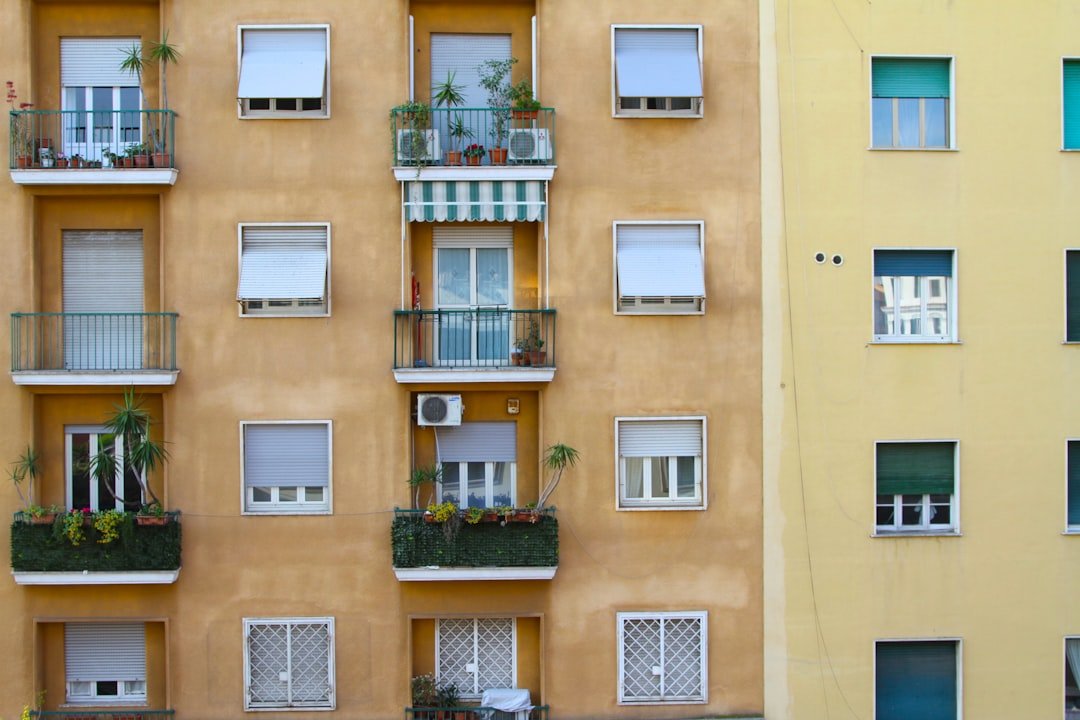
Minimalist urban living offers a plethora of advantages that resonate deeply with the fast-paced lifestyle of city dwellers. One of the most significant benefits is the reduction of stress and anxiety that often accompanies cluttered living spaces. In a world where distractions are abundant, a minimalist approach fosters a serene environment that promotes mental clarity.
By stripping away excess belongings, individuals can create a sanctuary that allows for greater focus on what truly matters—relationships, personal growth, and experiences. This intentional simplification not only enhances emotional well-being but also cultivates a sense of control over one’s surroundings. Moreover, minimalist living in urban settings encourages financial prudence.
With the high cost of living in cities, adopting a minimalist lifestyle can lead to significant savings. By prioritizing quality over quantity, individuals can invest in fewer, but more meaningful items that enhance their lives. This shift in mindset often leads to reduced spending on unnecessary goods and services, allowing for more financial freedom.
The ability to allocate resources towards experiences—such as travel, education, or hobbies—rather than material possessions can lead to a more fulfilling and enriched life. In essence, minimalist urban living not only simplifies physical spaces but also promotes a more intentional and financially savvy way of life.
Key Takeaways
- Minimalist urban living promotes a simpler, more sustainable lifestyle with less clutter and stress.
- Decluttering and simplifying your city apartment can lead to a more organized and peaceful living space.
- Maximizing space in a small urban home involves creative storage solutions and multifunctional furniture.
- Mindful consumption in the city is important for reducing waste and environmental impact.
- Embracing minimalist design in urban living can create a sense of calm and harmony in your home.
How to Declutter and Simplify Your City Apartment
Decluttering a city apartment can seem like a daunting task, especially in spaces where every square foot counts. However, the process can be broken down into manageable steps that make it both achievable and rewarding. The first step is to assess your belongings critically.
Begin by categorizing items into three groups: keep, donate/sell, and discard. This method encourages individuals to confront their possessions and make conscious decisions about what truly adds value to their lives. For instance, clothing that hasn’t been worn in over a year or kitchen gadgets that have never been used can often be let go without regret.
Once the initial sorting is complete, the next phase involves organizing what remains. Utilizing vertical space is crucial in small apartments; shelves, hooks, and wall-mounted storage solutions can help maximize available areas. Additionally, adopting the “one in, one out” rule can prevent future clutter from accumulating.
This principle encourages individuals to be mindful of new purchases by requiring them to part with an existing item for every new acquisition. By establishing these habits, urban dwellers can maintain a simplified living environment that supports their minimalist lifestyle.
Maximizing Space in a Small Urban Home

Maximizing space in a small urban home requires creativity and strategic planning. One effective approach is to invest in multifunctional furniture that serves multiple purposes. For example, a sofa bed can transform a living area into a guest room, while an ottoman with storage capabilities can double as both seating and a place to stow away blankets or books.
This type of furniture not only saves space but also enhances the overall functionality of the apartment. Another strategy involves rethinking the layout of the space. Open floor plans can create an illusion of more room, while strategically placed mirrors can reflect light and make areas feel larger than they are.
Additionally, utilizing underutilized spaces—such as the area under the bed or above cabinets—can provide extra storage without sacrificing valuable floor space. By embracing innovative design solutions and being intentional about how space is used, urban residents can create an environment that feels spacious and inviting despite its size.
The Importance of Mindful Consumption in the City
| Metrics | Data |
|---|---|
| Number of sustainable businesses | 150 |
| Percentage of residents practicing mindful consumption | 65% |
| Amount of waste reduced through mindful consumption | 500 tons/year |
| Number of community events promoting mindful consumption | 30 |
In an urban environment characterized by consumerism and fast-paced living, practicing mindful consumption becomes essential for those pursuing a minimalist lifestyle. Mindful consumption involves making deliberate choices about what to buy and how those purchases impact both personal well-being and the environment. This approach encourages individuals to consider the longevity and utility of items before acquiring them, fostering a deeper connection with their possessions.
For instance, when shopping for clothing, opting for sustainable brands that prioritize ethical production practices not only supports responsible businesses but also reduces the environmental footprint associated with fast fashion. Similarly, choosing to invest in high-quality home goods that are designed to last can minimize waste and promote sustainability. By cultivating awareness around consumption habits, urban dwellers can contribute to a more sustainable future while simultaneously enhancing their own quality of life.
Embracing Minimalist Design in Urban Living
Embracing minimalist design in urban living spaces involves more than just decluttering; it requires an aesthetic shift towards simplicity and functionality. Minimalist design emphasizes clean lines, neutral color palettes, and an overall sense of harmony within the space. This design philosophy not only creates visually appealing environments but also promotes tranquility and focus.
Incorporating minimalist design elements can be achieved through thoughtful selection of decor and furnishings. For example, choosing furniture with sleek silhouettes and avoiding overly ornate pieces can help maintain an uncluttered look. Additionally, utilizing natural materials such as wood or stone can add warmth to minimalist spaces while keeping the overall aesthetic grounded and inviting.
By prioritizing simplicity in design choices, urban residents can create homes that reflect their values and support their minimalist lifestyle.
Sustainable Practices for Minimalist Urban Living

Sustainability is an integral aspect of minimalist urban living, as both philosophies advocate for conscious choices that reduce waste and promote environmental stewardship. One effective practice is adopting a zero-waste mindset by minimizing single-use items and opting for reusable alternatives. For instance, carrying a reusable water bottle or shopping bag not only reduces plastic waste but also aligns with the principles of minimalism by encouraging individuals to invest in durable products.
Additionally, urban dwellers can engage in community initiatives that promote sustainability, such as local farmers’ markets or community gardens. These activities not only provide access to fresh produce but also foster connections with neighbors and encourage a sense of community. By integrating sustainable practices into their daily lives, individuals can enhance their minimalist lifestyle while contributing positively to their urban environment.
Finding Peace and Tranquility in the City
Finding peace and tranquility amidst the hustle and bustle of city life is often a challenge for urban residents. However, adopting a minimalist lifestyle can significantly aid in creating pockets of calm within chaotic environments. One effective method is to establish designated quiet zones within the home—areas free from distractions where individuals can engage in mindfulness practices such as meditation or reading.
In addition to creating tranquil spaces at home, seeking out serene locations within the city can provide much-needed respite from daily stresses. Parks, botanical gardens, or even quiet cafes can serve as retreats where individuals can recharge and reconnect with themselves. By intentionally carving out time for relaxation and reflection, urban dwellers can cultivate inner peace even amidst the noise of city life.
Connecting with Nature in an Urban Environment
Connecting with nature in an urban environment may seem challenging due to concrete landscapes and limited green spaces; however, it is entirely possible through intentional efforts. Urban parks play a crucial role in providing residents with access to nature, offering opportunities for outdoor activities such as walking, jogging, or simply enjoying the scenery. Engaging with these natural spaces not only enhances physical well-being but also contributes to mental health by reducing stress levels.
Furthermore, incorporating plants into urban living spaces can create a personal oasis within homes. Indoor plants not only purify the air but also bring a sense of tranquility and connection to nature indoors. Vertical gardens or window boxes can transform small balconies into lush retreats filled with greenery.
By fostering this connection with nature—whether through outdoor exploration or indoor gardening—urban residents can enrich their lives while embracing the principles of minimalism and sustainability.
FAQs
What is minimalist urban living?
Minimalist urban living is a lifestyle that focuses on living with less, decluttering and simplifying one’s living space in a city environment. It often involves reducing material possessions, living in smaller spaces, and prioritizing experiences over material goods.
What are the benefits of minimalist urban living?
Some benefits of minimalist urban living include reduced stress, lower expenses, increased focus on experiences and relationships, and a smaller environmental footprint. It can also lead to a more organized and aesthetically pleasing living space.
How can someone adopt a minimalist urban living lifestyle?
To adopt a minimalist urban living lifestyle, one can start by decluttering their living space, reducing unnecessary possessions, and focusing on quality over quantity when it comes to material goods. It also involves prioritizing experiences and relationships, and being mindful of consumption habits.
What are some common features of minimalist urban living spaces?
Common features of minimalist urban living spaces include multifunctional furniture, efficient storage solutions, neutral color palettes, and a focus on natural light and open space. These spaces are often designed to be simple, functional, and free of unnecessary clutter.
Is minimalist urban living suitable for everyone?
Minimalist urban living may not be suitable for everyone, as individual preferences and lifestyle choices vary. However, many people find value in the principles of minimalism, such as reducing stress, living more sustainably, and focusing on what truly matters to them.