Meal preparation, commonly known as meal prep, has become an increasingly popular method for maintaining a healthy diet. Meal prep involves planning and preparing meals in advance, which enables individuals to make deliberate dietary choices rather than relying on spontaneous food decisions. This approach offers several practical benefits: it reduces the time spent on meal planning during weekdays, decreases decision fatigue, and minimizes the likelihood of choosing unhealthy options when time is limited.
Meal prep also promotes better understanding of nutrition and portion sizes. When people prepare their own meals, they gain awareness of the specific ingredients and their nutritional content. This knowledge supports more informed dietary decisions and helps ensure balanced nutrition.
By preparing meals ahead of time, individuals can more easily incorporate diverse food groups into their diet, which contributes to overall health. Additionally, the meal preparation process encourages mindful engagement with food, allowing people to recognize the nutritional value and effort involved in preparing wholesome meals.
Planning Your Meals for Stable Energy
Effective meal planning is crucial for maintaining stable energy levels throughout the day. To achieve this, it is essential to consider not only what foods to include but also how they will be distributed across meals and snacks. A well-structured meal plan should incorporate a balance of carbohydrates, proteins, and fats, ensuring that each meal provides sustained energy rather than quick spikes followed by crashes.
For example, starting the day with a breakfast that combines whole grains, such as oatmeal, with protein from Greek yogurt can provide a steady release of energy. In addition to the macronutrient composition, timing plays a significant role in energy management. Planning meals and snacks at regular intervals helps to stabilize blood sugar levels and prevent energy dips.
For instance, scheduling a mid-morning snack that includes a piece of fruit paired with a handful of nuts can help bridge the gap between breakfast and lunch, keeping energy levels consistent. By thoughtfully organizing meals around one’s daily activities and energy needs, individuals can optimize their performance and well-being.
Choosing Nutrient-Dense Ingredients

The foundation of any successful meal prep strategy lies in selecting nutrient-dense ingredients that provide maximum health benefits without excessive calories. Nutrient-dense foods are those that offer a high amount of vitamins, minerals, and other beneficial compounds relative to their calorie content. Incorporating a variety of colorful fruits and vegetables is an excellent way to ensure that meals are packed with essential nutrients.
For example, leafy greens like spinach and kale are rich in vitamins A, C, and K, while vibrant bell peppers provide antioxidants and fiber. In addition to fruits and vegetables, whole grains should be prioritized in meal prep. Foods such as quinoa, brown rice, and farro not only serve as excellent sources of complex carbohydrates but also contribute important nutrients like fiber and B vitamins.
Lean proteins, such as chicken breast, fish, legumes, and tofu, are equally vital for muscle repair and overall health. By focusing on these nutrient-dense ingredients, individuals can create meals that not only satisfy hunger but also nourish the body effectively.
Balancing Macronutrients for Sustained Energy
Achieving a balance of macronutrients—carbohydrates, proteins, and fats—is essential for sustained energy levels throughout the day. Each macronutrient plays a unique role in fueling the body; carbohydrates are the primary source of energy, proteins support muscle repair and growth, while fats provide long-lasting energy and aid in nutrient absorption. A well-rounded meal should ideally include all three macronutrients in appropriate proportions tailored to individual needs.
For instance, a balanced lunch might consist of grilled chicken (protein), quinoa (carbohydrate), and avocado (healthy fat). This combination not only provides immediate energy but also promotes satiety, reducing the likelihood of unhealthy snacking later in the day. Additionally, understanding one’s personal macronutrient needs can enhance performance in various activities, whether it be athletic training or daily tasks.
By experimenting with different ratios and observing how the body responds, individuals can fine-tune their meal prep to optimize energy levels.
Incorporating Snacks for Midday Boosts
| Meal Prep Technique | Description | Energy Stability Impact | Recommended Frequency | Example Foods |
|---|---|---|---|---|
| Balanced Macronutrient Portions | Include a mix of carbohydrates, proteins, and healthy fats in each meal. | Helps maintain steady blood sugar and prolonged energy release. | Every meal | Quinoa, chicken breast, avocado |
| Complex Carbohydrates | Use whole grains and fiber-rich vegetables instead of simple sugars. | Prevents energy spikes and crashes by slow digestion. | Daily | Brown rice, sweet potatoes, broccoli |
| Meal Timing and Portion Control | Prepare meals in moderate portions and eat at regular intervals. | Maintains consistent energy levels and avoids overeating. | 3-5 times per day | Small balanced meals/snacks |
| Hydration Inclusion | Incorporate water-rich foods and plan for adequate fluid intake. | Prevents fatigue and supports metabolic processes. | Throughout the day | Cucumber, watermelon, herbal teas |
| Incorporate Low-Glycemic Index Foods | Choose foods that have a low glycemic index to avoid blood sugar spikes. | Promotes sustained energy and reduces hunger pangs. | Daily | Lentils, chickpeas, apples |
| Batch Cooking and Portioning | Prepare meals in bulk and divide into portions for easy access. | Ensures consistent meal quality and reduces decision fatigue. | Weekly | Stews, roasted vegetables, grilled proteins |
Snacking is often overlooked in meal prep discussions; however, it plays a crucial role in maintaining energy levels between meals. Thoughtfully chosen snacks can provide essential nutrients while preventing hunger pangs that may lead to overeating at mealtimes. The key is to select snacks that complement the overall dietary goals rather than detract from them.
For example, pairing a piece of fruit with nut butter offers a satisfying combination of carbohydrates and healthy fats. Incorporating snacks into a meal prep routine requires planning just as much as main meals do. Preparing snack-sized portions of vegetables with hummus or yogurt with granola can make healthy choices more accessible during busy days.
Additionally, having pre-portioned snacks on hand can help individuals resist the temptation of less nutritious options when hunger strikes. By recognizing the importance of snacks as part of an overall meal strategy, individuals can better manage their energy levels and maintain focus throughout the day.
Preparing Meals in Batches for Efficiency
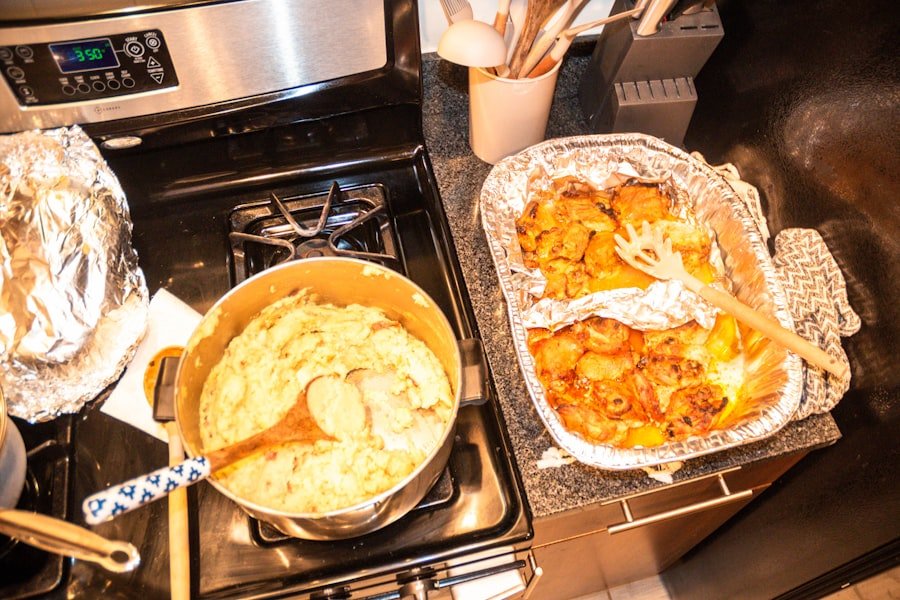
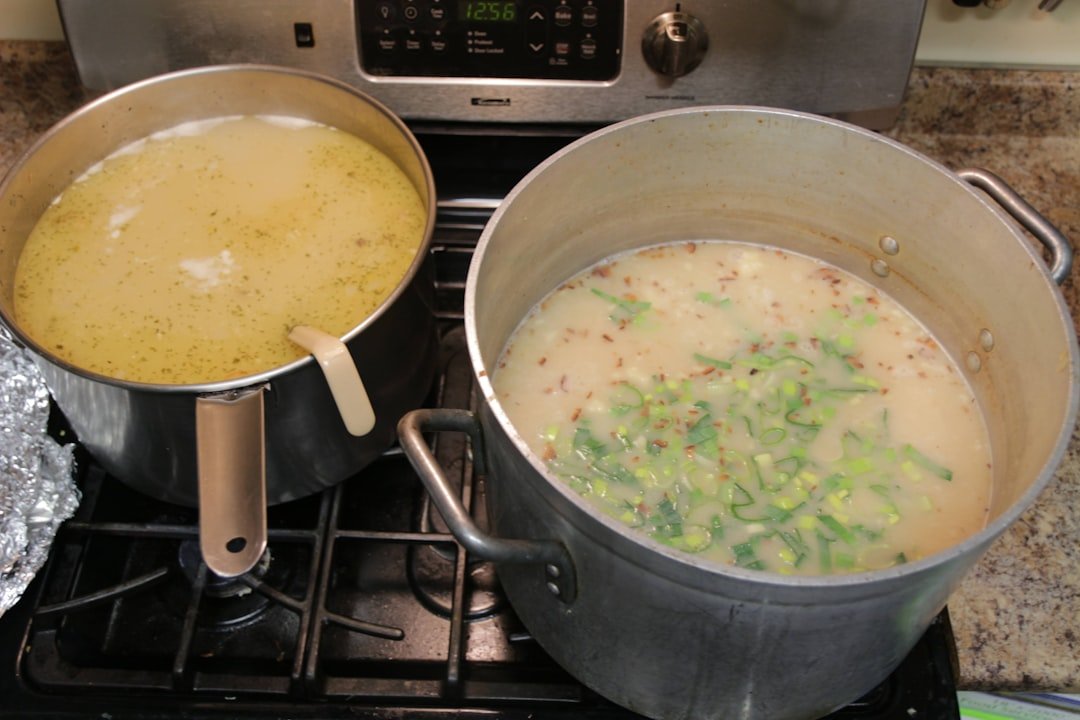
Batch cooking is an efficient method that allows individuals to prepare multiple servings of meals at once, saving time and effort in the kitchen. This approach not only streamlines the cooking process but also ensures that healthy options are readily available throughout the week. By dedicating a few hours on the weekend or during free time to cook large quantities of staple foods—such as grains, proteins, and roasted vegetables—individuals can create a variety of meals with minimal additional effort.
For example, cooking a large pot of chili or soup can yield several servings that can be easily reheated for lunch or dinner during busy weekdays. Similarly, grilling multiple chicken breasts or baking a tray of roasted vegetables provides versatile components that can be mixed and matched throughout the week. This method not only reduces food waste but also encourages creativity in meal assembly, allowing individuals to enjoy diverse flavors without repetitive cooking.
Storing and Portioning Meals for Convenience
Proper storage and portioning are critical components of an effective meal prep routine. Once meals are prepared in batches, it is essential to store them in appropriate containers that maintain freshness while being convenient for reheating. Glass containers with airtight lids are often preferred for their durability and ability to withstand temperature changes without leaching harmful chemicals into food.
Portioning meals into individual servings not only simplifies mealtime but also aids in portion control. By dividing meals into appropriate sizes before storing them, individuals can easily grab a container when hunger strikes without having to think about how much to eat. Labeling containers with dates can also help keep track of freshness and ensure that meals are consumed within safe timeframes.
This organized approach minimizes food waste while promoting healthy eating habits.
Adapting and Adjusting Your Meal Prep Routine
Flexibility is key when it comes to maintaining an effective meal prep routine over time. As schedules change or dietary needs evolve, it is important to adapt meal prep strategies accordingly. Regularly assessing what works well and what doesn’t can lead to improvements in efficiency and satisfaction with meals.
For instance, if certain recipes become monotonous or if specific ingredients are no longer appealing, experimenting with new flavors or cuisines can reinvigorate the meal prep process. Additionally, seasonal changes can influence ingredient availability and preferences. Embracing seasonal produce not only enhances flavor but also supports local agriculture and sustainability efforts.
Adjusting portion sizes based on activity levels or incorporating new snacks based on cravings can further personalize the meal prep experience. By remaining open to change and willing to experiment within one’s routine, individuals can sustain their commitment to healthy eating while enjoying the process of preparing nourishing meals.
FAQs
What is meal prepping?
Meal prepping is the process of planning, preparing, and portioning meals in advance to save time and ensure consistent, balanced nutrition throughout the week.
How does meal prepping help maintain stable energy levels?
Meal prepping helps maintain stable energy levels by ensuring regular intake of balanced meals that include complex carbohydrates, proteins, and healthy fats, which provide sustained energy and prevent blood sugar spikes and crashes.
What types of foods are best for meal prepping to sustain energy?
Foods rich in complex carbohydrates (like whole grains and legumes), lean proteins (such as chicken, fish, tofu), healthy fats (like avocados and nuts), and plenty of vegetables are ideal for meal prepping to maintain stable energy levels.
How often should I meal prep to maintain stable energy?
Meal prepping once or twice a week is generally sufficient for most people to maintain stable energy levels, allowing for fresh meals and variety while ensuring consistent nutrient intake.
Can meal prepping help with weight management and energy?
Yes, meal prepping can support weight management by controlling portion sizes and ensuring balanced meals, which in turn helps maintain steady energy levels and reduces unhealthy snacking.
What are some common meal prep techniques for energy stability?
Common techniques include batch cooking, portioning meals into containers, combining macronutrients for balanced meals, and including snacks like nuts or fruit to prevent energy dips.
Is it important to include snacks in meal prepping for energy?
Including healthy snacks in meal prepping can help maintain stable energy levels by preventing long gaps between meals and avoiding energy crashes.
How can I ensure variety in my meal prep to avoid boredom?
To ensure variety, rotate different proteins, vegetables, and grains each week, use diverse herbs and spices, and try new recipes to keep meals interesting and nutritionally balanced.
Can meal prepping help with managing blood sugar levels?
Yes, meal prepping balanced meals with low glycemic index foods can help regulate blood sugar levels, contributing to more stable energy throughout the day.
What storage tips are important for meal prepping?
Store prepped meals in airtight containers, refrigerate or freeze them promptly, and consume refrigerated meals within 3-4 days to maintain freshness and food safety.