
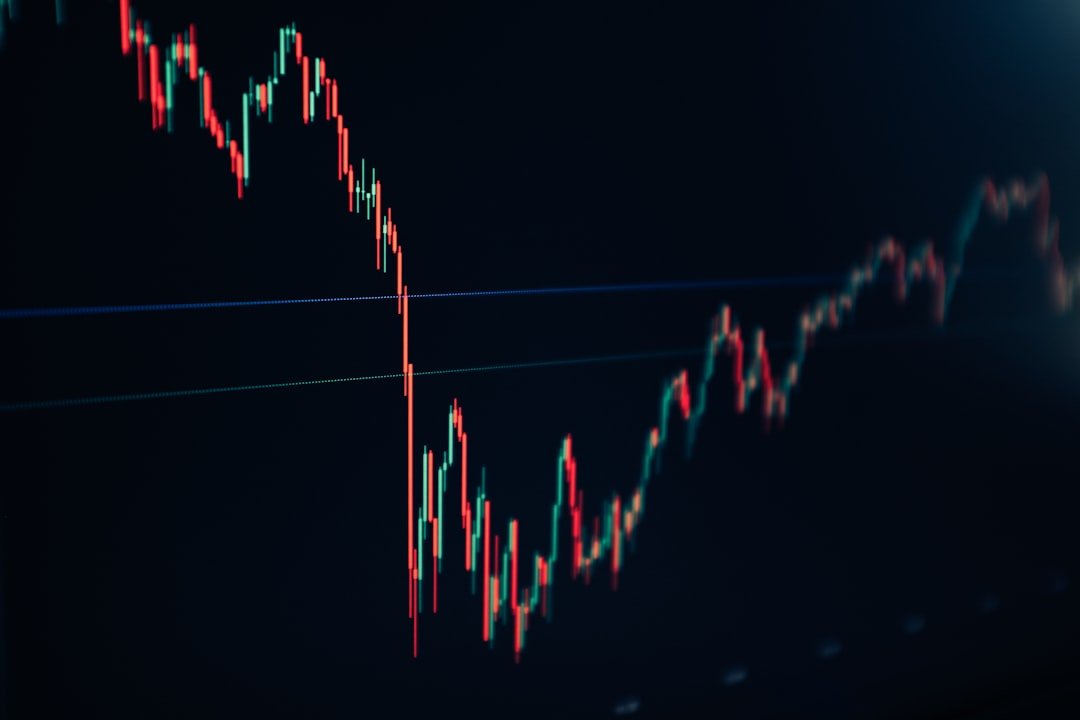
Volatility indexes, commonly called “fear gauges,” are financial instruments that measure market expectations of future volatility. The CBOE Volatility Index (VIX) is the most widely recognized example, measuring expected volatility over the next 30 days based on S&P 500 index options. The VIX is calculated using prices from a range of options and provides insight into market sentiment and investor behavior.
A high VIX indicates investors expect significant price fluctuations in the near term, typically reflecting market uncertainty or concern. A low VIX suggests investors anticipate a stable period with lower volatility. Volatility indexes serve important functions for investors navigating financial markets.
These indexes can be actively traded through financial products such as futures and options, enabling investors to hedge against potential market declines or speculate on future volatility changes. During periods of economic uncertainty or geopolitical tension, the VIX typically rises as investors seek protection from potential losses. Understanding how these indexes operate allows investors to make informed decisions aligned with their risk tolerance and investment goals.
Benefits of Using Volatility Indexes in Portfolio Management
Incorporating volatility indexes into portfolio management offers several advantages that can enhance an investor’s overall strategy. One of the primary benefits is the ability to hedge against market downturns. By utilizing products linked to volatility indexes, such as VIX options or futures, investors can protect their portfolios from significant losses during turbulent market conditions.
For example, if an investor holds a substantial position in equities and anticipates a market correction, purchasing VIX call options can provide a counterbalance to potential losses in their stock holdings. This strategy allows for a more resilient portfolio that can withstand adverse market movements. Another significant benefit of using volatility indexes is their role in diversification.
Traditional asset classes, such as stocks and bonds, often exhibit correlated movements during periods of market stress. However, volatility indexes tend to move inversely to these assets, providing a unique opportunity for diversification. By including volatility products in a portfolio, investors can reduce overall risk and enhance returns during periods of heightened uncertainty.
This diversification effect can be particularly valuable in times of economic distress when traditional asset classes may not perform as expected.
Strategies for Incorporating Volatility Indexes into Investment Decisions
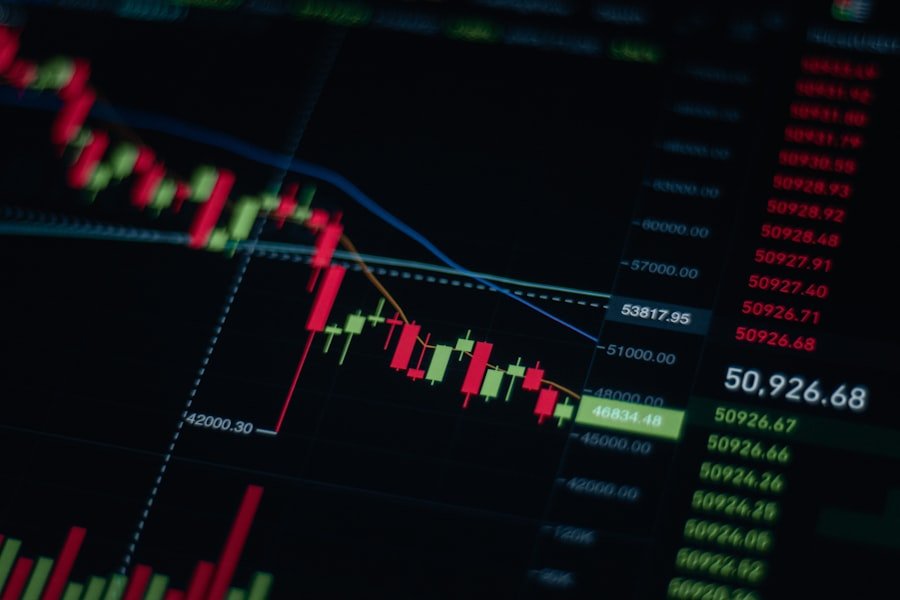
Investors can adopt various strategies to effectively incorporate volatility indexes into their investment decisions. One common approach is the use of a protective put strategy, where an investor buys put options on an equity position while simultaneously purchasing VIX call options. This dual approach allows the investor to benefit from potential gains in their equity holdings while also having protection against downside risk through the VIX options.
This strategy is particularly useful during periods of anticipated market volatility, as it provides a safety net while still allowing for upside potential. Another strategy involves using volatility indexes as a timing tool for entering or exiting positions in other asset classes. For instance, when the VIX reaches elevated levels, it may signal an opportune moment to buy equities at lower prices due to increased fear in the market.
Conversely, when the VIX is low, it may indicate that the market is complacent, suggesting that it could be time to take profits or reduce exposure to equities. By monitoring volatility indexes and integrating them into decision-making processes, investors can enhance their timing and potentially improve overall portfolio performance.
Risks and Limitations of Using Volatility Indexes
While volatility indexes offer numerous benefits, they are not without risks and limitations that investors must consider. One significant risk is the potential for misinterpretation of volatility signals. For example, a high VIX reading may not always correlate with an impending market downturn; it could simply reflect short-term fluctuations driven by specific events or news.
Investors who react impulsively to these signals may find themselves making poor investment decisions based on transient market noise rather than fundamental analysis. Additionally, trading products linked to volatility indexes can be complex and may involve significant costs. Options and futures contracts have expiration dates and can experience rapid changes in value based on market conditions.
This complexity can lead to unexpected losses if investors do not fully understand how these instruments work or if they fail to manage their positions effectively. Furthermore, the inherent nature of volatility products means they can be subject to decay over time, particularly if held for extended periods without proper management.
Historical Performance of Volatility Indexes
| Metric | Description | Relevance to Portfolio Decisions | Example Value |
|---|---|---|---|
| VIX Level | Measures expected 30-day volatility of the S&P 500 index | High VIX indicates increased market uncertainty; may suggest reducing equity exposure | 18.5 |
| VIX Term Structure | Difference between short-term and long-term volatility expectations | Contango (long-term > short-term) suggests normal conditions; backwardation may signal market stress | Contango by 1.2 points |
| Historical Volatility | Actual past volatility of an asset over a specific period | Helps compare expected volatility (VIX) with realized volatility to adjust risk models | 15% annualized |
| Implied Volatility Skew | Difference in implied volatility between out-of-the-money puts and calls | Indicates market sentiment and potential downside risk; useful for hedging decisions | Skew of 0.05 |
| Correlation with Asset Returns | Relationship between VIX changes and portfolio asset returns | Negative correlation suggests VIX spikes when markets fall; useful for diversification | -0.65 |
| Volatility Risk Premium | Difference between implied volatility and realized volatility | Indicates potential return from selling volatility; informs option strategies | 3.5% |
The historical performance of volatility indexes provides valuable insights into their behavior during various market conditions. For instance, during the 2008 financial crisis, the VIX reached unprecedented levels as fear and uncertainty gripped global markets. This spike in volatility was indicative of widespread panic among investors, leading to significant declines in equity markets worldwide.
Analyzing such historical data allows investors to understand how volatility indexes react during extreme market events and helps them develop strategies for future scenarios. Moreover, examining historical trends in volatility can reveal patterns that may inform investment decisions. For example, periods of low volatility often precede significant market corrections, as complacency among investors can lead to overvalued asset prices.
Conversely, spikes in volatility can signal potential buying opportunities when fear drives prices down excessively. By studying these historical performance metrics, investors can better anticipate future movements and adjust their strategies accordingly.
Factors Affecting Volatility Indexes

Several factors influence the behavior of volatility indexes, making it essential for investors to understand these dynamics when incorporating them into their strategies. Economic indicators play a crucial role; for instance, reports on unemployment rates, inflation data, and GDP growth can significantly impact investor sentiment and expectations for future volatility. A strong economic report may lead to decreased perceived risk and lower volatility readings, while negative news can trigger spikes in volatility as investors react to uncertainty.
Market events also have a profound effect on volatility indexes. Geopolitical tensions, natural disasters, or major corporate scandals can all contribute to increased market anxiety and higher volatility readings. For example, during the onset of the COVID-19 pandemic in early 2020, the VIX surged dramatically as uncertainty about economic stability and public health gripped global markets.
Understanding these external factors allows investors to contextualize movements in volatility indexes and make more informed decisions based on current events.
Comparing Different Volatility Indexes
While the VIX is the most recognized volatility index, several other indexes exist that cater to different asset classes and markets. For instance, the CBOE Nasdaq-100 Volatility Index (VXN) measures expected volatility for the Nasdaq-100 index options, while the CBOE Russell 2000 Volatility Index (RVX) focuses on small-cap stocks represented by the Russell 2000 index. Each of these indexes serves a specific purpose and reflects unique market dynamics.
Comparing different volatility indexes can provide investors with a more nuanced understanding of market sentiment across various sectors. For example, if the VIX is low while the RVX is high, it may indicate that small-cap stocks are experiencing greater uncertainty compared to large-cap stocks represented by the S&P 500. This divergence could signal potential opportunities or risks within specific segments of the market that warrant further investigation.
Best Practices for Leveraging Volatility Indexes in Portfolio Decisions
To effectively leverage volatility indexes in portfolio decisions, investors should adopt best practices that enhance their understanding and application of these tools. First and foremost, maintaining a disciplined approach is crucial; this includes setting clear investment objectives and risk tolerance levels before incorporating volatility products into a portfolio. By establishing guidelines for when and how to use these instruments, investors can avoid impulsive decisions driven by short-term market fluctuations.
Additionally, continuous education about volatility products is essential for successful implementation. Investors should familiarize themselves with the mechanics of options and futures linked to volatility indexes, including their pricing dynamics and potential risks associated with holding these positions over time. Engaging with educational resources such as webinars, articles, and expert analyses can provide valuable insights that enhance decision-making capabilities.
Finally, regular monitoring of both portfolio performance and market conditions is vital for optimizing strategies involving volatility indexes. Investors should stay informed about macroeconomic trends and geopolitical developments that could impact market sentiment and volatility readings. By remaining proactive and adaptable in their approach, investors can better navigate the complexities of financial markets while effectively utilizing volatility indexes as part of their overall investment strategy.
FAQs
What is a volatility index?
A volatility index measures the market’s expectation of future price fluctuations, often derived from options prices. It reflects the anticipated level of volatility in a specific market or asset over a set period.
How do volatility indexes help in portfolio decisions?
Volatility indexes provide insights into market sentiment and risk levels. Investors use them to gauge market uncertainty, adjust portfolio risk exposure, and make informed decisions about asset allocation and hedging strategies.
What is the most commonly known volatility index?
The CBOE Volatility Index (VIX) is the most widely recognized volatility index. It measures the expected volatility of the S&P 500 index over the next 30 days, based on options prices.
Can volatility indexes predict market crashes?
While volatility indexes often rise during periods of market stress, they do not predict crashes with certainty. They indicate increased market uncertainty and risk but should be used alongside other indicators for comprehensive analysis.
How can investors use volatility indexes to manage risk?
Investors can use volatility indexes to identify periods of high or low market risk, adjust their portfolio’s risk exposure accordingly, and implement hedging strategies such as options or volatility-based products to protect against adverse market movements.
Are volatility indexes useful for all types of investors?
Volatility indexes can be useful for a range of investors, from individual traders to institutional portfolio managers, by providing a gauge of market sentiment and risk. However, understanding how to interpret and apply volatility data is essential for effective use.
Do volatility indexes only apply to stock markets?
No, volatility indexes exist for various asset classes, including equities, commodities, currencies, and bonds. Each index reflects the expected volatility of its respective market or asset.
How frequently do volatility indexes update?
Volatility indexes typically update in real-time during market hours, reflecting the latest market conditions and option prices.
Can volatility indexes be traded?
Yes, there are financial products such as futures, options, and exchange-traded funds (ETFs) based on volatility indexes, allowing investors to trade or hedge volatility exposure directly.
What are the limitations of using volatility indexes in portfolio decisions?
Volatility indexes reflect market expectations and can be influenced by short-term events or market anomalies. They do not guarantee future market movements and should be used in conjunction with other analysis tools and risk management practices.