
Plant-based diets have become increasingly popular, supported by evidence regarding health benefits, environmental sustainability, and animal welfare concerns. A plant-based diet primarily consists of whole, minimally processed foods from plant sources, including fruits, vegetables, whole grains, legumes, nuts, and seeds, with reduced or eliminated animal products. These diets appeal to consumers due to their potential health advantages, reduced environmental impact, and alignment with animal welfare principles.
Plant-based diet definitions vary among practitioners. Some individuals follow a strictly vegan approach, excluding all animal-derived products, while others incorporate limited amounts of dairy, eggs, or fish. Despite these variations, plant-derived foods serve as the primary nutritional source across all plant-based approaches.
Research indicates that plant-based diets are associated with several health benefits, including reduced risk of chronic diseases such as cardiovascular disease, type 2 diabetes, and certain cancers. Additionally, the emphasis on whole foods may improve digestive function and increase energy levels.
Essential Nutrients in Plant-Based Diets
While plant-based diets can be incredibly nutritious, they require careful planning to ensure that all essential nutrients are adequately consumed. Key nutrients that are particularly important include protein, iron, calcium, omega-3 fatty acids, vitamin B12, vitamin D, and zinc. Each of these nutrients plays a vital role in maintaining overall health and well-being.
For instance, protein is crucial for muscle repair and growth, while iron is essential for oxygen transport in the blood. Calcium is another critical nutrient often associated with dairy products; however, it can be found in various plant sources such as leafy greens, fortified plant milks, and tofu. Omega-3 fatty acids, which are primarily found in fish, can be sourced from flaxseeds, chia seeds, and walnuts in a plant-based diet.
Vitamin B12 is particularly challenging for those following a strict vegan diet since it is predominantly found in animal products. Therefore, individuals may need to consider fortified foods or supplements to meet their B12 requirements. Understanding these essential nutrients is the first step toward creating a balanced and healthful plant-based diet.
Common Nutrient Gaps in Plant-Based Diets
Despite the numerous benefits associated with plant-based diets, certain nutrient gaps can arise if individuals do not pay close attention to their dietary choices. One of the most commonly cited deficiencies is vitamin B12. Since this vitamin is primarily found in animal products, those who eliminate meat and dairy from their diets are at a higher risk of deficiency unless they consume fortified foods or take supplements.
Symptoms of B12 deficiency can include fatigue, weakness, and neurological issues. Another nutrient that often falls short in plant-based diets is iron. While plant sources of iron exist—such as lentils, beans, and spinach—the type of iron found in plants (non-heme iron) is less readily absorbed by the body compared to heme iron found in animal products.
This means that individuals following a plant-based diet must be more mindful about their iron intake and may need to pair iron-rich foods with vitamin C sources to enhance absorption. Additionally, calcium intake can be a concern for those who do not consume dairy products; thus, it becomes essential to seek alternative sources to meet daily requirements.
Strategies for Identifying Nutrient Gaps
Identifying nutrient gaps in a plant-based diet requires a proactive approach that involves both education and self-assessment. One effective strategy is to maintain a food diary that tracks daily food intake over a week or more. This practice allows individuals to analyze their eating patterns and identify any recurring deficiencies or imbalances in nutrient consumption.
By reviewing this information against established dietary guidelines or nutrient databases, one can pinpoint specific areas where their diet may be lacking. Another useful method is to utilize nutrition tracking apps that provide detailed insights into nutrient intake. These apps often allow users to input their meals and snacks while automatically calculating the nutritional content based on established databases.
This technology can help individuals visualize their nutrient consumption and identify any shortfalls in essential vitamins and minerals. Additionally, consulting with a registered dietitian can provide personalized guidance tailored to individual dietary needs and preferences.
Importance of Nutrient Diversity in Plant-Based Diets
| Nutrient | Common Deficiency in Plant-Based Diets | Primary Plant-Based Sources | Potential Health Impact of Deficiency | Recommended Daily Intake (Adults) |
|---|---|---|---|---|
| Vitamin B12 | High risk | Fortified cereals, nutritional yeast, supplements | Anemia, neurological issues | 2.4 mcg |
| Iron | Moderate risk | Legumes, tofu, spinach, fortified grains | Anemia, fatigue | 8 mg (men), 18 mg (women) |
| Calcium | Moderate risk | Fortified plant milks, tofu, leafy greens | Bone loss, osteoporosis | 1000 mg |
| Omega-3 Fatty Acids (ALA) | Moderate risk | Flaxseeds, chia seeds, walnuts | Cardiovascular issues, inflammation | 1.1-1.6 g |
| Vitamin D | Moderate risk | Fortified plant milks, sun exposure, supplements | Bone disorders, immune dysfunction | 600-800 IU |
| Zinc | Moderate risk | Legumes, nuts, seeds, whole grains | Immune dysfunction, delayed wound healing | 8-11 mg |
| Protein | Low risk (if varied diet) | Legumes, tofu, tempeh, seitan, quinoa | Muscle loss, weakness | 46-56 g |
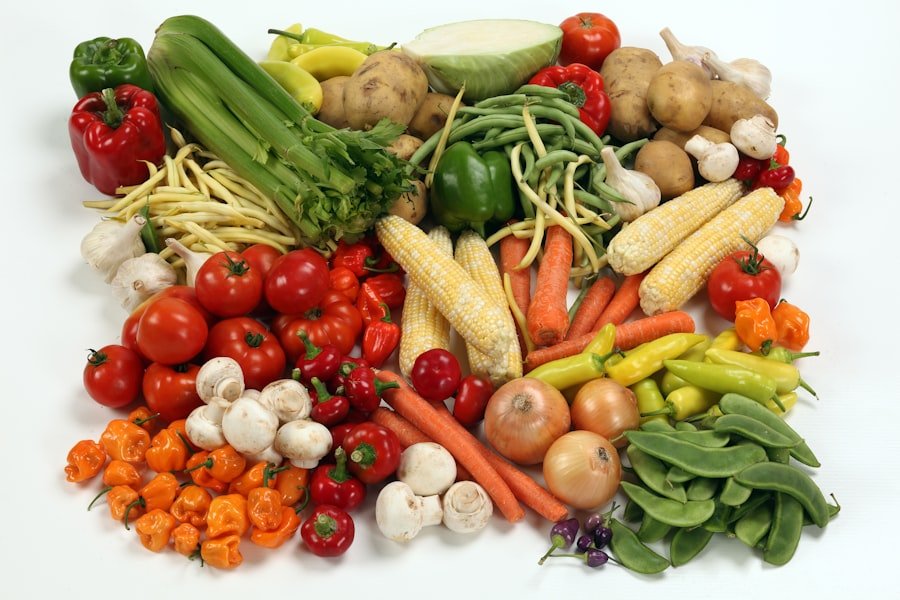
Nutrient diversity is paramount in any diet but takes on added significance in plant-based eating patterns. A diverse array of foods ensures that individuals receive a broad spectrum of vitamins, minerals, and phytonutrients necessary for optimal health. Relying heavily on a limited selection of plant foods can lead to deficiencies and imbalances over time.
For example, while consuming large quantities of one type of vegetable may provide certain nutrients abundantly, it may lack others that are crucial for overall well-being. Incorporating a variety of colors and types of fruits and vegetables into daily meals not only enhances nutrient intake but also promotes enjoyment and satisfaction in eating. Different plant foods contain unique combinations of antioxidants and phytochemicals that contribute to health benefits beyond basic nutrition.
For instance, cruciferous vegetables like broccoli and kale are rich in glucosinolates that have been linked to cancer prevention. By embracing diversity in food choices—ranging from legumes and whole grains to nuts and seeds—individuals can create a more balanced and healthful plant-based diet.
Monitoring Nutrient Intake in Plant-Based Diets
Monitoring nutrient intake is an essential practice for anyone following a plant-based diet to ensure that they are meeting their nutritional needs effectively. Regularly assessing dietary habits can help individuals stay informed about their nutrient consumption and make necessary adjustments as needed. One practical approach is to set specific goals for key nutrients based on individual health needs or lifestyle factors such as age, gender, activity level, and any pre-existing health conditions.
In addition to tracking food intake through diaries or apps, individuals can also consider periodic blood tests to assess levels of critical nutrients like vitamin B12, iron, and vitamin D. These tests can provide valuable insights into whether dietary adjustments or supplementation may be necessary. Engaging with healthcare professionals who understand the nuances of plant-based nutrition can further enhance this monitoring process by providing tailored recommendations based on individual results.
Nutrient-Rich Foods for Plant-Based Diets
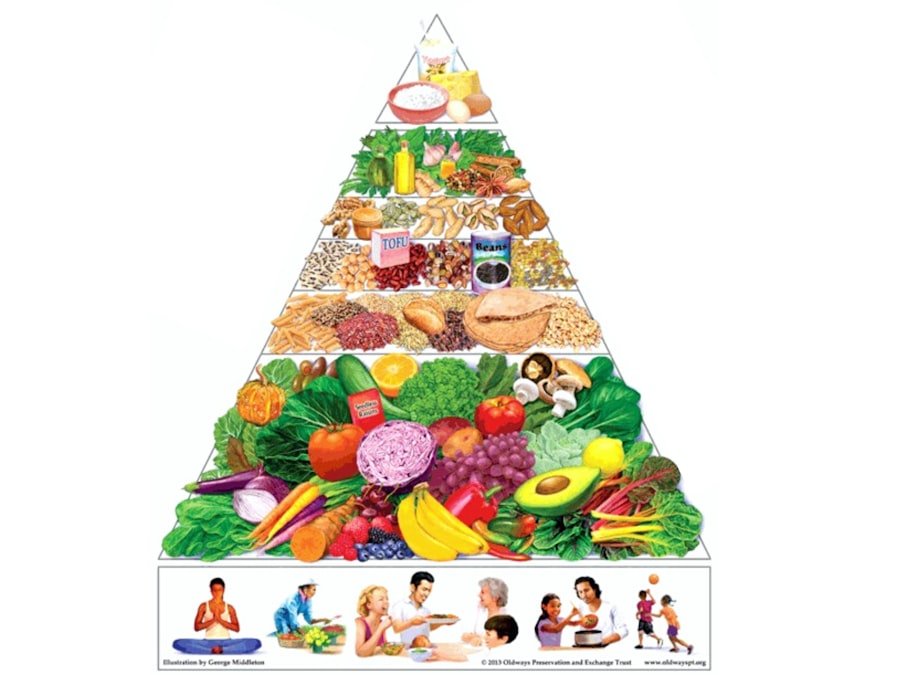
To build a well-rounded plant-based diet rich in essential nutrients, it is crucial to incorporate a variety of nutrient-dense foods. Legumes such as lentils, chickpeas, and black beans are excellent sources of protein and fiber while also providing important minerals like iron and magnesium. Whole grains like quinoa, brown rice, and oats offer complex carbohydrates along with B vitamins and additional fiber.
Fruits and vegetables should form the cornerstone of any plant-based diet; options like berries are packed with antioxidants while leafy greens such as spinach and kale provide vital vitamins A, C, K, and folate. Nuts and seeds—such as almonds, chia seeds, and flaxseeds—are not only rich in healthy fats but also contribute protein and various micronutrients like vitamin E and magnesium. By focusing on these nutrient-rich foods, individuals can create meals that are both satisfying and nutritionally complete.
Seeking Professional Guidance for Nutrient Gaps in Plant-Based Diets
For those navigating the complexities of a plant-based diet—especially if they are experiencing symptoms of nutrient deficiencies or are unsure about their dietary choices—seeking professional guidance can be invaluable. Registered dietitians who specialize in plant-based nutrition can offer personalized assessments that take into account individual health goals, lifestyle factors, and dietary preferences. These professionals can help develop meal plans that ensure adequate intake of essential nutrients while also addressing any specific concerns related to nutrient gaps.
They may recommend appropriate supplements when necessary or suggest fortified foods that align with an individual’s dietary restrictions. Furthermore, ongoing support from a nutrition expert can empower individuals to make informed choices that promote long-term health while enjoying the benefits of a plant-based lifestyle.
FAQs
What are common nutrient gaps in plant-based diets?
Common nutrient gaps in plant-based diets include vitamin B12, iron, calcium, omega-3 fatty acids, vitamin D, and protein. These nutrients are often less abundant or less bioavailable in plant-based foods compared to animal products.
Why is vitamin B12 a concern for those on plant-based diets?
Vitamin B12 is primarily found in animal products, so individuals following plant-based diets may not get enough from food alone. Supplementation or fortified foods are typically necessary to prevent deficiency.
How can iron intake be optimized in a plant-based diet?
Plant-based diets contain non-heme iron, which is less easily absorbed than heme iron from animal sources. Consuming vitamin C-rich foods alongside iron-rich plant foods like legumes, spinach, and fortified cereals can enhance iron absorption.
Are plant-based diets adequate for protein needs?
Yes, plant-based diets can meet protein needs when a variety of protein-rich foods such as beans, lentils, tofu, tempeh, nuts, seeds, and whole grains are consumed regularly to provide all essential amino acids.
What are good plant-based sources of omega-3 fatty acids?
Flaxseeds, chia seeds, walnuts, hemp seeds, and algae-based supplements are good sources of alpha-linolenic acid (ALA), a type of omega-3 fatty acid important in plant-based diets.
How can calcium needs be met on a plant-based diet?
Calcium can be obtained from fortified plant milks, tofu made with calcium sulfate, leafy green vegetables like kale and bok choy, almonds, and sesame seeds.
Is vitamin D a concern for people on plant-based diets?
Vitamin D is not abundant in most plant foods. People on plant-based diets may need to rely on fortified foods or supplements, especially in regions with limited sunlight exposure.
What steps can help identify nutrient gaps in a plant-based diet?
Regular nutritional assessments, including blood tests and dietary evaluations by healthcare professionals or dietitians, can help identify potential nutrient deficiencies and guide appropriate supplementation or dietary adjustments.
Can nutrient gaps in plant-based diets affect health?
Yes, deficiencies in key nutrients like vitamin B12, iron, and vitamin D can lead to anemia, bone health issues, fatigue, and other health problems if not addressed properly.
Are fortified foods important in plant-based diets?
Fortified foods play a crucial role in providing nutrients like vitamin B12, vitamin D, and calcium that may be lacking in unfortified plant-based diets.