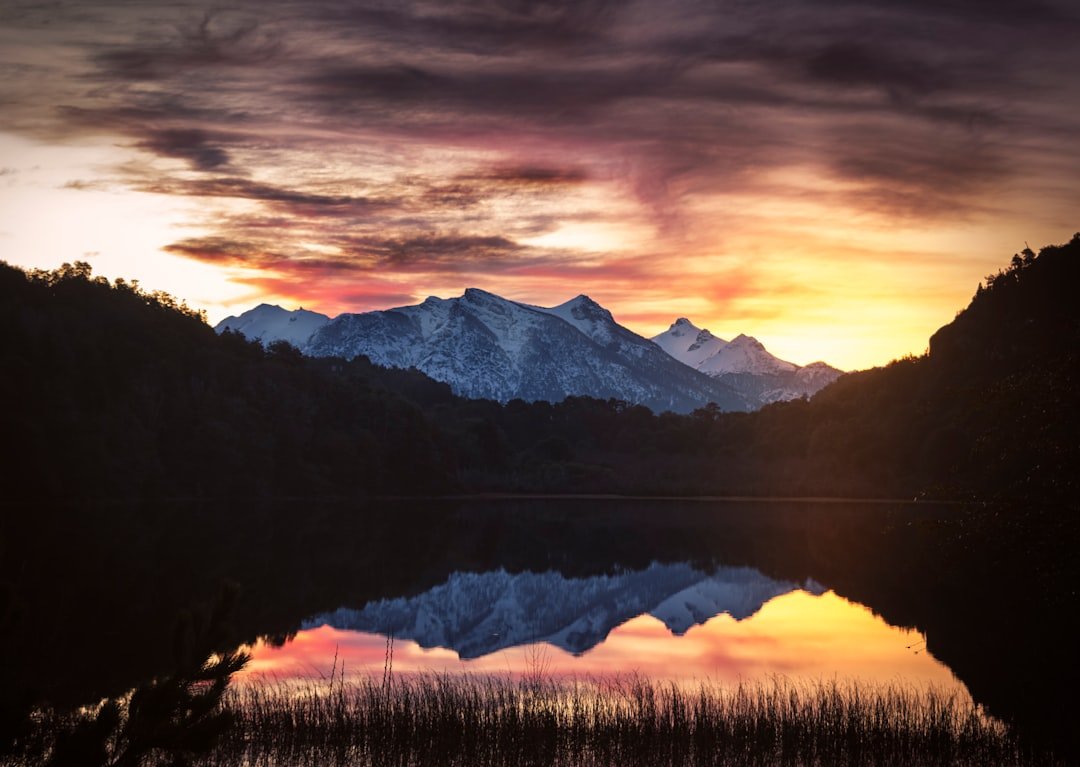
Patagonia, a vast region located at the southern end of South America, is a land of breathtaking contrasts and stunning natural beauty. Spanning both Chile and Argentina, this remote area is characterized by its dramatic landscapes, which include towering mountains, expansive glaciers, and pristine lakes. The region is often described as one of the last great wildernesses on Earth, attracting adventurers, nature lovers, and those seeking solitude in its unspoiled environment.
The name “Patagonia” itself evokes images of rugged terrain and wild landscapes, derived from the word “patagón,” which was used by Magellan to describe the indigenous people he encountered in the early 16th century. The allure of Patagonia lies not only in its physical beauty but also in its rich cultural tapestry. The region is home to various indigenous groups, including the Mapuche and Tehuelche peoples, who have inhabited these lands for centuries.
Their traditions and stories are woven into the fabric of Patagonia’s identity. As travelers embark on a journey through this enchanting land, they are often struck by the sense of adventure that permeates the air. Whether hiking through Torres del Paine National Park or exploring the Perito Moreno Glacier, each experience in Patagonia offers a unique opportunity to connect with nature and discover the region’s profound sense of place.
Key Takeaways
- Patagonia is a vast and diverse region located at the southern end of South America, known for its stunning landscapes and unique wildlife.
- When planning the ultimate road trip in Patagonia, be sure to research and map out your route in advance, considering the remote and rugged nature of the region.
- Must-see destinations in Patagonia include the iconic Torres del Paine National Park, the awe-inspiring Perito Moreno Glacier, and the picturesque town of El Chaltén.
- Packing essentials for the journey should include sturdy hiking boots, layers of clothing for unpredictable weather, a reliable map or GPS, and plenty of water and snacks for long drives.
- Tips for navigating Patagonia’s roads include being prepared for gravel and dirt roads, filling up on gas whenever possible, and being mindful of wildlife crossings.
Planning the Ultimate Road Trip
Planning a road trip through Patagonia requires careful consideration and preparation to ensure an unforgettable experience. The first step is determining the best time to visit. The summer months of December to February are ideal for exploring the region, as temperatures are milder and days are longer.
However, this is also peak tourist season, so travelers should book accommodations and activities well in advance. For those seeking a quieter experience, the shoulder seasons of spring (September to November) and fall (March to May) can offer stunning landscapes with fewer crowds. Once the timing is set, creating an itinerary that balances adventure with relaxation is essential.
A popular route begins in the Argentine city of El Calafate, home to the famous Perito Moreno Glacier. From there, travelers can head south to Torres del Paine National Park in Chile, known for its iconic granite peaks and diverse ecosystems. The journey can also include stops at charming towns like El Chaltén, renowned for its hiking trails, and Puerto Natales, a gateway to the national park.
Each destination offers unique experiences, from trekking and kayaking to simply soaking in the breathtaking views.
Must-See Destinations in Patagonia
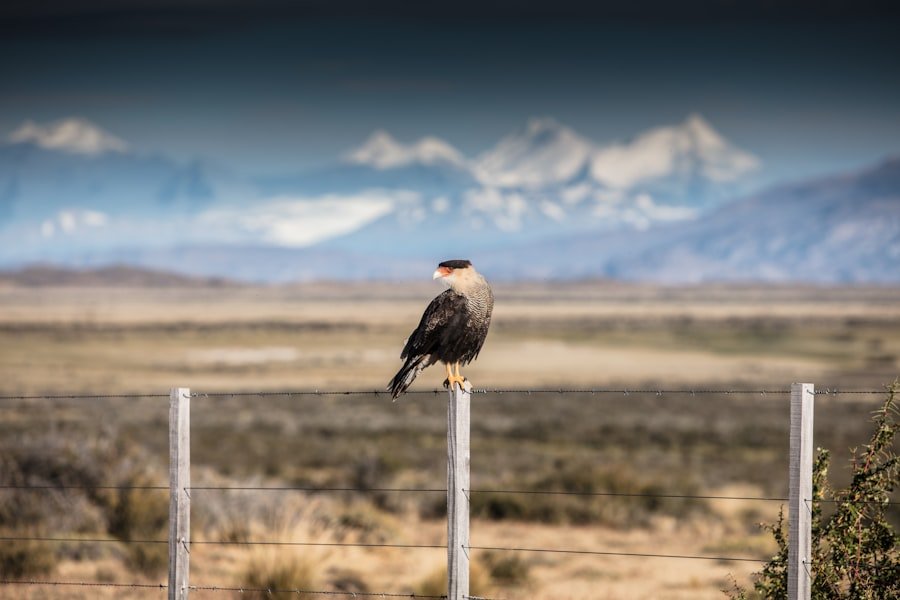
Patagonia is dotted with numerous must-see destinations that showcase its natural wonders. One of the crown jewels of this region is Torres del Paine National Park, a UNESCO Biosphere Reserve that boasts some of the most stunning landscapes on the planet. The park features dramatic granite towers that rise majestically above turquoise lakes and sprawling glaciers.
Hiking enthusiasts flock to the park for its renowned W Trek and O Circuit, which offer varying levels of difficulty and breathtaking vistas at every turn. The park’s diverse wildlife, including guanacos, condors, and even elusive pumas, adds to its allure. Another iconic destination is the Perito Moreno Glacier, located within Los Glaciares National Park in Argentina.
This massive glacier is one of the few in the world that is still advancing, creating a mesmerizing spectacle as it calves into Lake Argentino. Visitors can take guided tours to walk along boardwalks that provide stunning views of the glacier or embark on ice trekking adventures for a more immersive experience. The sight of massive ice chunks crashing into the water is a reminder of nature’s raw power and beauty.
El Chaltén, often referred to as the trekking capital of Argentina, is another essential stop for outdoor enthusiasts. Nestled at the base of Mount Fitz Roy, this charming village serves as a launching point for numerous hiking trails that cater to all skill levels. The Laguna de los Tres hike offers breathtaking views of Fitz Roy and its surrounding peaks, while shorter trails like Laguna Torre provide equally stunning scenery without requiring an extensive time commitment.
The vibrant atmosphere of El Chaltén, with its cozy lodges and local eateries, makes it an ideal place to unwind after a day of exploration.
Packing Essentials for the Journey
| Item | Quantity | Description |
|---|---|---|
| Passport | 1 | Valid for at least 6 months |
| Clothing | Varies | Weather-appropriate and versatile |
| Toiletries | 1 set | Toothbrush, toothpaste, shampoo, etc. |
| Travel Adapter | 1 | For electronic devices |
| Medications | As needed | Prescription and over-the-counter |
Packing for a road trip through Patagonia requires careful consideration of the region’s unpredictable weather and diverse activities. Layering is key; travelers should pack moisture-wicking base layers, insulating mid-layers like fleece or down jackets, and waterproof outer layers to protect against rain and wind. A good-quality pair of hiking boots is essential for navigating rugged trails, while comfortable shoes are ideal for leisurely strolls through towns or along lakesides.
In addition to clothing, packing essential gear can enhance the overall experience. A reliable backpack is crucial for day hikes, allowing travelers to carry water, snacks, and extra layers comfortably. A reusable water bottle or hydration system is also recommended to stay hydrated during outdoor activities.
For photography enthusiasts, a camera with interchangeable lenses can capture the stunning landscapes and wildlife encounters that Patagonia has to offer. Binoculars are another valuable addition for spotting distant animals or enjoying panoramic views from high vantage points. Travelers should also consider packing a first-aid kit with basic supplies for minor injuries or ailments that may arise during outdoor adventures.
Sunscreen and insect repellent are vital for protection against sunburn and pesky bugs while exploring nature. Finally, having a good map or GPS device can help navigate the sometimes remote roads of Patagonia, ensuring that travelers stay on track during their journey.
Tips for Navigating Patagonia’s Roads
Navigating Patagonia’s roads can be both an adventure and a challenge due to the region’s vastness and varying road conditions. Many travelers opt for renting a vehicle to explore at their own pace; however, it’s essential to choose a suitable vehicle based on planned routes. A four-wheel-drive vehicle may be necessary for accessing more remote areas or unpaved roads that lead to hidden gems off the beaten path.
When driving in Patagonia, it’s crucial to be aware of local driving regulations and conditions. Speed limits are generally lower than in urban areas, and drivers should be cautious of wildlife crossing roads—especially at dawn and dusk when animals are most active. Additionally, some stretches of road may be poorly maintained or lack signage, so having a reliable map or GPS system can help avoid getting lost in this expansive wilderness.
Fuel stations can be sparse in remote areas; therefore, it’s wise to fill up whenever possible and plan fuel stops ahead of time. Travelers should also be prepared for sudden weather changes that can affect driving conditions. Rain or snow can make roads slippery, while strong winds may pose challenges when driving through open areas.
Staying informed about weather forecasts can help ensure safe travels throughout this stunning region.
Embracing the Local Culture and Cuisine
Experiencing Patagonia goes beyond its natural wonders; immersing oneself in local culture and cuisine adds depth to any journey through this remarkable region. The towns scattered throughout Patagonia each have their unique charm and character shaped by their history and geography. In places like El Calafate and Puerto Natales, visitors can explore artisan markets showcasing handmade crafts that reflect indigenous traditions and local artistry.
Culinary experiences in Patagonia are equally enticing. The region is known for its hearty dishes that often feature lamb or beef raised on the vast Patagonian plains. Asado, a traditional Argentine barbecue, is a must-try experience where various cuts of meat are slow-cooked over an open flame—a social event that brings friends and family together around delicious food.
Pairing these meals with local wines from nearby vineyards enhances the dining experience further. Seafood lovers will also find plenty to savor along Patagonia’s coastlines. Freshly caught fish such as salmon and king crab are staples in coastal towns like Puerto Madryn and Ushuaia.
Many restaurants pride themselves on serving dishes made from locally sourced ingredients that highlight the flavors of the region. Sampling traditional dishes like empanadas or curanto—a dish made with meat, seafood, potatoes, and vegetables cooked underground—provides insight into the culinary heritage of Patagonia.
Wildlife Encounters in Patagonia
Patagonia is renowned for its rich biodiversity and offers countless opportunities for wildlife encounters that leave lasting impressions on visitors. The region’s varied ecosystems support an array of species adapted to its unique environments—from coastal areas teeming with marine life to mountainous terrains inhabited by elusive mammals. One of the most iconic animals found in Patagonia is the guanaco, a wild relative of the llama that roams freely across open grasslands.
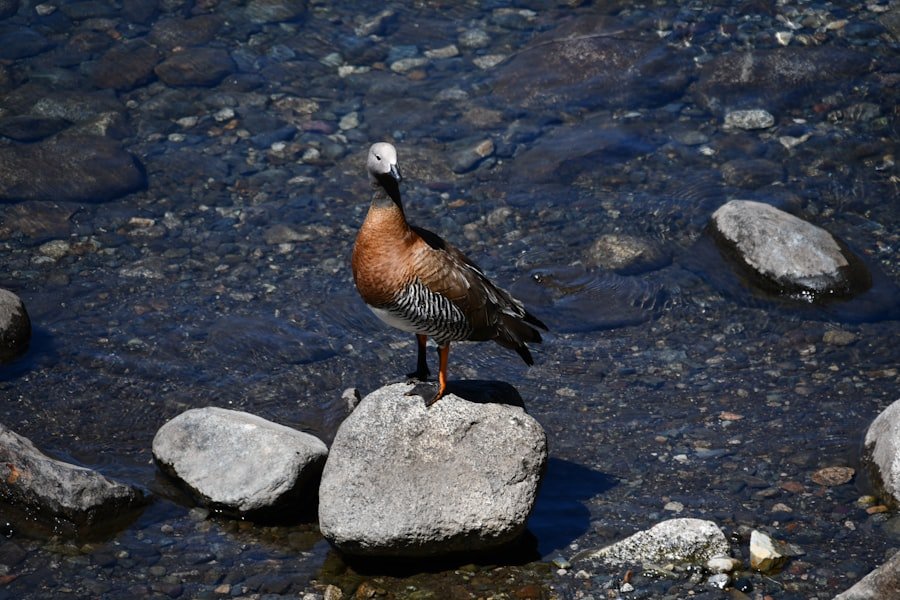
Birdwatchers will find Patagonia particularly rewarding due to its diverse avian population. The Andean condor, one of the largest flying birds in the world with an impressive wingspan exceeding ten feet, can often be spotted soaring above mountain ranges or perched on rocky cliffs. Other notable bird species include flamingos in coastal lagoons and various types of ducks that inhabit lakes and rivers throughout the region.
For those lucky enough to venture into marine environments such as those around Peninsula Valdés or Tierra del Fuego National Park, encounters with sea lions, elephant seals, and even whales are possible during certain seasons. The southern right whale migrates to these waters each year to breed and give birth; witnessing these magnificent creatures breaching or swimming alongside boats is an unforgettable experience that highlights Patagonia’s ecological richness.
Reflecting on the Unforgettable Memories
As travelers journey through Patagonia’s stunning landscapes and immerse themselves in its vibrant culture, they inevitably create memories that linger long after their return home. Each hike taken amidst towering peaks or each moment spent gazing at glacial formations becomes etched into their minds as part of an extraordinary adventure. The sense of freedom experienced while traversing this remote wilderness fosters a deep connection with nature that many find transformative.
The stories shared around campfires after long days spent exploring become cherished recollections—whether it’s recounting encounters with wildlife or sharing laughter over shared meals with newfound friends met along the way. These moments encapsulate not just personal experiences but also highlight the spirit of camaraderie that often arises among fellow travelers drawn together by their love for adventure. Ultimately, a road trip through Patagonia offers more than just breathtaking scenery; it provides an opportunity for self-discovery amidst nature’s grandeur.
As travelers reflect on their journeys through this remarkable region—filled with awe-inspiring landscapes, rich cultural experiences, and unforgettable wildlife encounters—they carry with them not only memories but also a renewed appreciation for our planet’s natural wonders.
FAQs
What is Patagonia, Argentina?
Patagonia is a region located at the southern end of South America, shared by Argentina and Chile. It is known for its stunning landscapes, including mountains, glaciers, and vast plains.
What are the must-see attractions in Patagonia, Argentina?
Some of the must-see attractions in Patagonia, Argentina include the Perito Moreno Glacier, Torres del Paine National Park, the town of El Calafate, and the scenic Ruta 40 highway.
What is the best time of year to visit Patagonia, Argentina?
The best time to visit Patagonia, Argentina is during the summer months of December to February, when the weather is milder and many outdoor activities are available.
What are some popular activities to do in Patagonia, Argentina?
Popular activities in Patagonia, Argentina include hiking, glacier trekking, wildlife watching, birdwatching, and visiting traditional estancias (ranches).
What are the transportation options for road tripping through Patagonia, Argentina?
Travelers can rent a car or camper van to road trip through Patagonia, Argentina. There are also bus services and organized tours available for those who prefer not to drive.