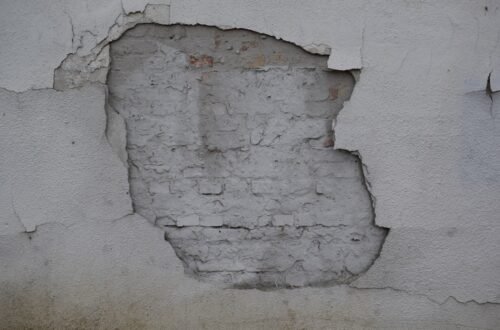
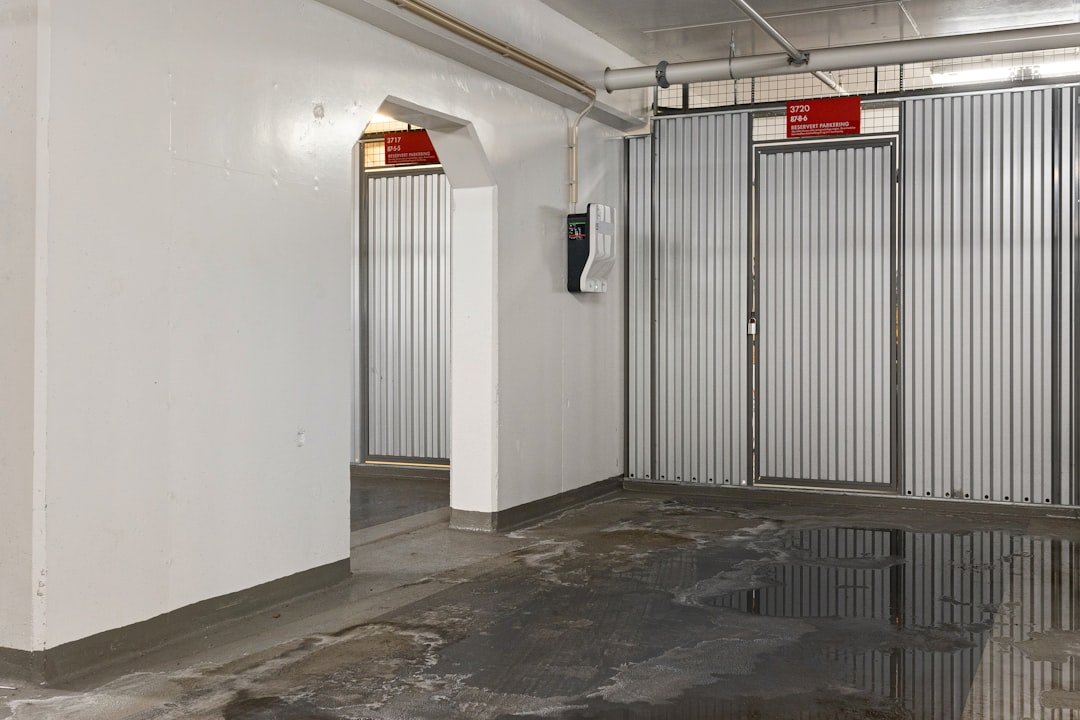
Basement moisture is a common issue that many homeowners face, often leading to significant structural damage and health concerns. The primary causes of moisture in basements can be attributed to several factors, including poor drainage, high groundwater levels, and inadequate ventilation. When rainwater accumulates around the foundation of a home, it can seep into the basement through cracks or porous materials.
This infiltration is exacerbated in areas with heavy clay soils, which retain water and create pressure against the foundation walls. Additionally, seasonal changes can lead to fluctuations in groundwater levels, further increasing the risk of moisture intrusion. Another significant contributor to basement moisture is humidity from the air itself.
In many regions, especially those with warm climates, the air can hold a considerable amount of moisture. When this humid air enters the basement, it can condense on cooler surfaces, such as walls and floors, leading to dampness. Furthermore, plumbing leaks from pipes or appliances can introduce unwanted water into the basement environment.
Understanding these causes is crucial for homeowners seeking to mitigate moisture issues effectively. By identifying the source of the problem, appropriate solutions can be implemented to create a dry and healthy basement space.
Implementing Proper Ventilation and Airflow
Effective ventilation is essential for controlling moisture levels in a basement. Proper airflow helps to reduce humidity by allowing moist air to escape and fresh air to circulate. One common method of improving ventilation is through the installation of vents or windows that can be opened to promote airflow.
In some cases, exhaust fans can be installed to actively remove humid air from the basement. These fans can be particularly useful in areas where natural ventilation is limited, such as basements that are partially or fully below ground level. In addition to mechanical ventilation, passive ventilation strategies can also be employed.
This includes ensuring that any existing vents are unobstructed and functional. Homeowners should regularly check for blockages caused by dust, debris, or even cobwebs that can impede airflow. Furthermore, maintaining a consistent temperature in the basement can help reduce condensation.
Warmer air holds more moisture than cooler air; thus, keeping the basement at a moderate temperature can minimize humidity levels. By combining both active and passive ventilation strategies, homeowners can create an environment that is less conducive to moisture accumulation.
Utilizing Dehumidifiers and Air Purifiers
Dehumidifiers are invaluable tools for managing basement moisture levels effectively. These devices work by drawing in humid air, removing excess moisture, and then releasing drier air back into the environment. When selecting a dehumidifier for a basement, it is essential to consider the size of the space and the average humidity levels.
A unit with a higher capacity may be necessary for larger basements or those with persistent moisture issues. Regular maintenance of the dehumidifier, including emptying the water reservoir or ensuring proper drainage, is crucial for optimal performance. In addition to dehumidifiers, air purifiers can also play a significant role in maintaining a healthy basement environment.
These devices filter out airborne particles, including mold spores, dust mites, and other allergens that thrive in damp conditions. By improving indoor air quality, air purifiers contribute to a healthier living space and can help mitigate potential health risks associated with mold growth and other moisture-related issues. When used in conjunction with dehumidifiers, air purifiers create a comprehensive approach to moisture control and indoor air quality enhancement.
Waterproofing the Basement Walls and Floors
Waterproofing is a critical step in preventing moisture intrusion in basements. This process involves applying specialized coatings or membranes to walls and floors to create a barrier against water penetration. There are various waterproofing methods available, including interior sealants, exterior waterproofing membranes, and even advanced systems like sump pumps and drainage tiles.
Interior sealants are often used as a first line of defense; they can be applied directly to walls and floors to prevent moisture from seeping through. Exterior waterproofing is generally more effective but requires more extensive work. This method involves excavating around the foundation to apply waterproof membranes directly to the exterior walls.
This creates a robust barrier against groundwater pressure and prevents water from entering the basement. Additionally, installing drainage systems alongside waterproofing measures can further enhance protection against moisture intrusion. By investing in proper waterproofing techniques, homeowners can significantly reduce the risk of water damage and create a dry environment conducive to storage or living space.
Installing Proper Drainage Systems
| Metric | Before Improvement | After Improvement | Improvement Method | Notes |
|---|---|---|---|---|
| Basement Humidity Level (%) | 75 | 50 | Use of Dehumidifier and Ventilation | Reduced moisture by improving air circulation |
| Surface Moisture (g/m²) | 15 | 5 | Application of Waterproof Sealant | Minimized water seepage through walls |
| Number of Mold Spots | 8 | 1 | Cleaning and Mold-Resistant Paint | Significant reduction in mold growth |
| Air Exchange Rate (ACH) | 0.3 | 1.0 | Installation of Ventilation Fans | Improved air quality and moisture control |
| Water Leakage Incidents (per year) | 3 | 0 | Improved Drainage and Gutter Maintenance | Prevented water accumulation around foundation |
A well-designed drainage system is essential for managing water around a home’s foundation effectively. The primary goal of these systems is to redirect water away from the foundation to prevent it from pooling near the basement walls. One common solution is the installation of gutters and downspouts that channel rainwater away from the house.
Ensuring that gutters are clean and free of debris is vital for their effectiveness; clogged gutters can lead to overflow and increased water accumulation around the foundation. In addition to gutters, French drains are another effective drainage solution for basements. These systems consist of perforated pipes buried in gravel that collect excess water and direct it away from the foundation.
French drains are particularly useful in areas with high groundwater levels or poor soil drainage. Sump pumps can also be integrated into drainage systems to actively remove water that accumulates in low-lying areas of the basement. By implementing these drainage solutions, homeowners can significantly reduce the risk of basement flooding and moisture-related issues.
Sealing Cracks and Leaks
Identifying and sealing cracks and leaks in basement walls and floors is a crucial step in preventing moisture intrusion. Over time, concrete can develop cracks due to settling or temperature fluctuations, creating pathways for water to enter. Homeowners should conduct regular inspections of their basements to identify any visible cracks or signs of water damage.
Small cracks can often be sealed with epoxy or polyurethane sealants designed specifically for concrete repair. For larger cracks or more significant leaks, it may be necessary to consult with a professional contractor who specializes in foundation repair. They can assess the extent of the damage and recommend appropriate repair methods, which may include injecting epoxy into larger cracks or applying hydraulic cement to seal leaks effectively.
Addressing these issues promptly not only helps prevent further water intrusion but also protects the structural integrity of the home.
Using Moisture-Resistant Materials
When constructing or renovating a basement, using moisture-resistant materials can significantly reduce the risk of mold growth and water damage. Traditional building materials like wood and drywall are susceptible to moisture-related issues; therefore, opting for alternatives designed for high-humidity environments is advisable. For instance, cement board is an excellent substitute for drywall in basements as it is resistant to mold and mildew.
Additionally, using waterproof flooring options such as vinyl or tile can help protect against moisture damage while providing aesthetic appeal. These materials are designed to withstand spills and humidity without warping or deteriorating over time. When selecting materials for basement renovations or repairs, homeowners should prioritize those specifically engineered for moisture resistance to ensure long-lasting durability and performance.
Regular Maintenance and Monitoring for Moisture Control
Maintaining a dry basement requires ongoing vigilance and regular monitoring for potential moisture issues. Homeowners should establish a routine inspection schedule to check for signs of dampness, mold growth, or structural damage. This includes examining walls and floors for discoloration or peeling paint, which may indicate moisture problems beneath the surface.
In addition to visual inspections, utilizing moisture meters can provide valuable insights into humidity levels within the basement environment. These devices measure relative humidity and help homeowners determine whether additional dehumidification or ventilation measures are necessary. Regular maintenance tasks such as cleaning gutters, checking sump pump functionality, and ensuring proper drainage around the foundation should also be part of an overall moisture control strategy.
By staying proactive about maintenance and monitoring efforts, homeowners can effectively manage basement moisture levels and protect their property from potential damage over time.
FAQs
What are common causes of basement moisture problems?
Basement moisture issues often stem from poor drainage, high groundwater levels, inadequate waterproofing, foundation cracks, and condensation due to insufficient ventilation.
Can basement moisture be controlled without major renovations?
Yes, many moisture control improvements can be made with minimal renovation, such as sealing cracks, improving drainage around the foundation, installing dehumidifiers, and enhancing ventilation.
How does exterior grading affect basement moisture?
Proper exterior grading directs water away from the foundation, preventing water accumulation near basement walls and reducing the risk of moisture infiltration.
Is installing a sump pump necessary for moisture control?
A sump pump is beneficial in areas with high water tables or frequent flooding but may not be necessary if other moisture control measures effectively manage water intrusion.
What role do gutters and downspouts play in basement moisture control?
Gutters and downspouts channel rainwater away from the foundation, preventing water from pooling near the basement walls and reducing moisture problems.
Can interior waterproofing methods help with basement moisture?
Yes, interior waterproofing techniques like applying sealants, installing vapor barriers, and using interior drainage systems can help manage moisture without extensive exterior work.
How important is ventilation in controlling basement moisture?
Good ventilation helps reduce humidity levels and condensation, which are common causes of basement moisture problems.
Are dehumidifiers effective for basement moisture control?
Dehumidifiers can effectively reduce indoor humidity levels, especially in basements with limited airflow or persistent dampness.
What maintenance steps can homeowners take to prevent basement moisture?
Regularly cleaning gutters, ensuring proper grading, sealing foundation cracks, and monitoring humidity levels are key maintenance steps to prevent moisture issues.
When should a professional be consulted for basement moisture problems?
If moisture problems persist despite basic measures, or if there are signs of structural damage, mold growth, or extensive water intrusion, consulting a professional is recommended.