
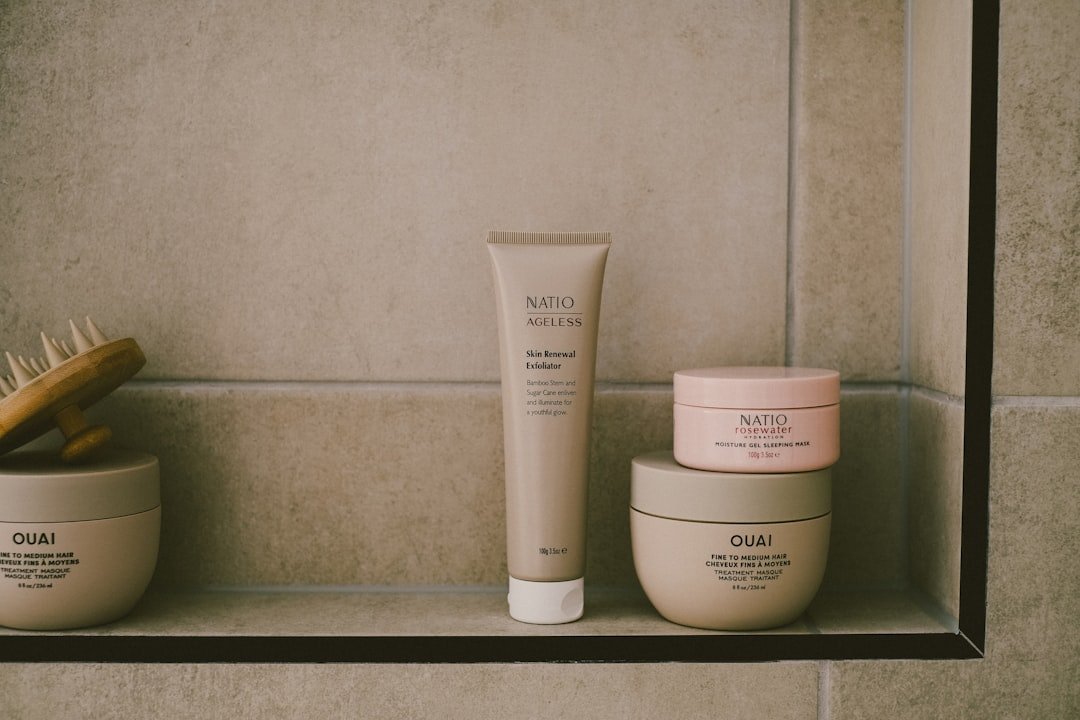
Self-care has become increasingly recognized as an important practice in modern life, though many people find it difficult to implement due to competing demands on their time. Self-care refers to deliberate actions taken to maintain and improve one’s mental, emotional, and physical health. When individuals face multiple responsibilities—including work, family care, and social commitments—self-care frequently becomes deprioritized.
This neglect can result in burnout, elevated stress, and deteriorating health outcomes. Acknowledging the importance of self-care represents the initial step toward establishing a lifestyle that adequately addresses personal health needs. Self-care provides measurable benefits beyond simple relaxation, including increased productivity, improved emotional well-being, and stronger interpersonal relationships.
Regular self-care practices enable individuals to recover from daily stress and build psychological resilience. Specific activities such as meditation and exercise have been shown to improve cognitive function and concentration, which can enhance work performance and personal effectiveness. Additionally, individuals who maintain their own well-being are better positioned to provide support to others, including family members, friends, and colleagues.
Therefore, incorporating self-care into a busy schedule is essential for maintaining overall health and functioning effectively in daily life.
Identifying Quick and Effective Self-Care Practices
Identifying quick and effective self-care practices is essential for those who feel they lack the time to engage in lengthy routines. Self-care does not have to be time-consuming or elaborate; even small actions can yield significant benefits. For example, deep breathing exercises can be performed in just a few minutes and can help reduce anxiety and promote relaxation.
Similarly, taking a brief walk outside can provide a refreshing break from a hectic day, allowing individuals to clear their minds and gain perspective. These simple practices can be seamlessly integrated into daily life without requiring extensive planning or time commitment. Another effective self-care practice involves engaging in creative activities that bring joy and fulfillment.
Whether it’s doodling in a sketchbook, writing in a journal, or playing a musical instrument, these activities can serve as powerful outlets for self-expression and stress relief. Even dedicating just ten minutes to such pursuits can significantly enhance one’s mood and sense of well-being. Additionally, practicing gratitude by jotting down three things one is thankful for each day can shift focus from stressors to positive aspects of life.
By identifying these quick self-care practices, individuals can cultivate a routine that nourishes their mental health without overwhelming their schedules.
Incorporating Self-Care into Daily Routines

Incorporating self-care into daily routines requires intentionality and creativity. One effective approach is to identify existing habits and integrate self-care elements into them. For instance, if an individual has a morning coffee ritual, they might take that time to practice mindfulness by savoring each sip and reflecting on their intentions for the day.
This simple adjustment transforms an ordinary routine into a moment of self-care that sets a positive tone for the day ahead. Similarly, during commutes, individuals can listen to uplifting podcasts or audiobooks that inspire personal growth and relaxation. Another strategy involves scheduling specific times for self-care activities within the daily agenda.
Just as one would schedule meetings or appointments, setting aside time for self-care ensures that it becomes a non-negotiable part of the day. This could mean blocking off 15 minutes for stretching exercises during lunch breaks or designating Sunday evenings for a relaxing bath or reading session. By treating self-care as an essential commitment rather than an optional luxury, individuals can create sustainable habits that contribute to their overall well-being.
Finding Moments of Self-Care in Between Tasks
Finding moments of self-care in between tasks is an art that can significantly enhance one’s quality of life. The key lies in recognizing that self-care does not always require extended periods of time; even brief interludes can be beneficial. For example, during a busy workday filled with back-to-back meetings, taking just five minutes to step away from the desk and stretch can alleviate tension and improve focus.
Similarly, practicing mindfulness during mundane tasks—such as washing dishes or waiting in line—can transform these moments into opportunities for self-reflection and relaxation. Moreover, incorporating micro-self-care practices throughout the day can create a cumulative effect that enhances overall well-being. This could include sipping herbal tea while taking a moment to breathe deeply or listening to calming music while completing household chores.
Engaging in these small acts of self-care not only provides immediate relief but also fosters a greater sense of awareness and appreciation for the present moment. By actively seeking out these pockets of time for self-care amidst daily responsibilities, individuals can cultivate a more balanced and fulfilling lifestyle.
Creating a Self-Care Plan Tailored to Your Schedule
| Self-Care Activity | Recommended Duration | Frequency | Benefits | Tips for Busy Schedules |
|---|---|---|---|---|
| Mindful Breathing | 5 minutes | Daily | Reduces stress, improves focus | Practice during breaks or before meetings |
| Physical Exercise | 20-30 minutes | 3-5 times per week | Boosts energy, improves mood | Use short high-intensity workouts or walk during commute |
| Healthy Eating | Ongoing | Daily | Enhances overall health and energy | Meal prep on weekends, keep healthy snacks handy |
| Quality Sleep | 7-8 hours | Daily | Improves cognitive function and mood | Set a consistent bedtime, limit screen time before sleep |
| Journaling | 10 minutes | 3-4 times per week | Enhances self-awareness, reduces anxiety | Write in the morning or before bed |
| Social Connection | 15-30 minutes | Weekly | Supports emotional well-being | Schedule calls or meet-ups during free time |
| Digital Detox | 30 minutes | Daily | Reduces mental fatigue | Turn off notifications, avoid screens before bed |
Creating a personalized self-care plan tailored to one’s schedule is an empowering step toward prioritizing well-being. This plan should reflect individual preferences, lifestyle demands, and specific goals related to self-care. To begin crafting this plan, individuals can assess their current routines and identify areas where self-care could be integrated more effectively.
For instance, if someone finds themselves feeling drained after work, they might include activities such as yoga or reading in the evenings to unwind and recharge. Additionally, setting realistic goals is crucial when developing a self-care plan. Rather than aiming for an ambitious routine that may be difficult to maintain, individuals should focus on achievable practices that fit seamlessly into their lives.
This could mean committing to a short daily meditation session or scheduling one evening per week for a favorite hobby. By establishing clear intentions and gradually building upon them, individuals can create a sustainable self-care plan that evolves alongside their needs and commitments.
Utilizing Technology for Self-Care on the Go

In an era dominated by technology, leveraging digital tools for self-care has become increasingly accessible and convenient. Numerous apps are designed specifically to promote mental health and well-being, offering guided meditations, mood tracking, and even virtual therapy sessions. For instance, apps like Headspace or Calm provide users with quick meditation sessions that can be easily integrated into busy schedules.
These platforms allow individuals to prioritize their mental health without requiring significant time investments. Moreover, technology can facilitate connection with others who share similar self-care goals. Online communities and social media platforms provide spaces for individuals to share experiences, seek advice, and find inspiration for their self-care journeys.
Virtual support groups or wellness challenges can foster accountability and motivation while making self-care feel less isolating. By utilizing technology effectively, individuals can enhance their self-care practices while navigating the demands of modern life.
Seeking Support and Accountability for Self-Care in a Busy Schedule
Seeking support and accountability is an often-overlooked aspect of maintaining a consistent self-care routine amidst a busy schedule. Sharing one’s self-care goals with friends or family members can create a network of encouragement and motivation. For example, forming a workout group with friends not only makes exercise more enjoyable but also fosters accountability as members encourage each other to stay committed to their fitness goals.
Similarly, discussing mental health practices with trusted colleagues can lead to shared strategies that benefit everyone involved. Additionally, professional support from therapists or coaches can provide valuable guidance in developing effective self-care routines tailored to individual needs. These professionals can offer insights into stress management techniques and help individuals navigate challenges that may arise when trying to prioritize self-care amidst busy lives.
By seeking support from various sources—whether personal connections or professional guidance—individuals can cultivate a more robust approach to self-care that enhances their overall well-being.
Adapting and Adjusting Your Self-Care Routine as Needed
Adapting and adjusting one’s self-care routine is essential for ensuring its effectiveness over time. Life circumstances change—work demands fluctuate, personal relationships evolve, and health needs may shift—requiring individuals to reassess their self-care practices regularly. For instance, if someone finds that their previous exercise routine no longer fits their schedule due to increased work commitments, they might explore shorter workouts or alternative forms of physical activity that require less time but still provide benefits.
Flexibility is key when it comes to maintaining a successful self-care routine. Individuals should feel empowered to experiment with different practices and make adjustments based on what resonates with them at any given moment. This could involve trying new hobbies or exploring different relaxation techniques until finding what works best within the context of their current lifestyle.
By embracing adaptability in their approach to self-care, individuals can ensure that their routines remain relevant and supportive as they navigate the complexities of life’s demands.
FAQs
What is a self-care routine?
A self-care routine is a set of intentional activities and practices that individuals engage in regularly to maintain and improve their physical, mental, and emotional well-being.
Why is self-care important for people with busy schedules?
Self-care is important for busy individuals because it helps reduce stress, prevent burnout, improve focus and productivity, and maintain overall health despite a hectic lifestyle.
How can I start building a self-care routine if I have limited time?
Start by identifying small, manageable activities that fit into your daily schedule, such as short meditation sessions, quick exercise routines, or setting aside a few minutes for deep breathing or journaling.
What are some examples of self-care activities suitable for a busy schedule?
Examples include taking brief walks, practicing mindfulness or meditation for 5-10 minutes, drinking enough water, getting adequate sleep, eating nutritious snacks, and setting boundaries to protect personal time.
How often should I practice self-care?
Self-care should ideally be practiced daily, even if only for a few minutes, to maintain consistent benefits and support overall well-being.
Can self-care routines improve mental health?
Yes, regular self-care can reduce symptoms of anxiety and depression, improve mood, increase resilience, and promote a positive outlook on life.
Is it necessary to have a structured self-care routine?
While structure can help maintain consistency, self-care routines can be flexible and adapted to fit changing schedules and needs.
How do I stay motivated to maintain a self-care routine?
Setting realistic goals, tracking progress, prioritizing self-care as essential, and reminding yourself of the benefits can help maintain motivation.
Can technology help with building a self-care routine?
Yes, apps and digital tools can provide reminders, guided meditations, workout plans, and tracking features to support and simplify self-care practices.
What should I avoid when creating a self-care routine?
Avoid overloading your schedule with too many activities, setting unrealistic expectations, or neglecting to listen to your body and mind’s needs.