
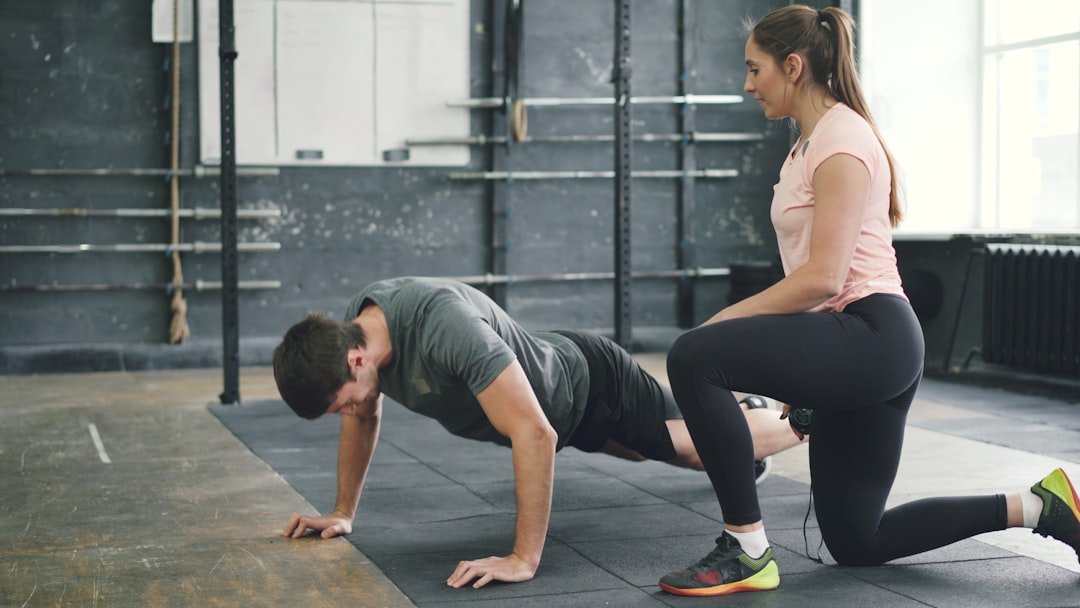
Core strength serves as a fundamental component of physical fitness, significantly influencing overall health and athletic performance. The core consists of multiple muscle groups, including the abdominal muscles, back muscles, and pelvic muscles. These muscles function together to stabilize the spine and pelvis, enabling movement and supporting proper posture.
A strong core is necessary for both athletes and individuals performing everyday activities, as it supports the body during movements such as lifting and maintaining balance while walking. Core strength also plays a critical role in injury prevention. Insufficient core muscle development can result in poor posture and spinal misalignment, potentially causing strain on the spine and adjacent structures.
This strain frequently manifests as discomfort or pain in the lower back region. Developing core strength improves stability and decreases the likelihood of injuries during physical activity. Athletes participating in sports requiring rapid directional changes or explosive movements particularly benefit from core strength, as it enables better movement control and efficient power transfer during these actions.
Identifying the Causes of Back Injuries
Back injuries can arise from a multitude of factors, often stemming from a combination of lifestyle choices, physical activity levels, and underlying health conditions. One of the primary contributors to back injuries is poor posture, which can result from prolonged sitting or standing in improper positions. For example, individuals who spend long hours at a desk without ergonomic support may develop muscle imbalances that lead to discomfort and injury over time.
Additionally, repetitive motions or heavy lifting without proper technique can place undue stress on the back, leading to strains or sprains. Another significant cause of back injuries is a lack of flexibility and strength in the core and surrounding muscles. When the core is weak, other muscles must compensate for stability, which can lead to overuse injuries.
For instance, if the abdominal muscles are not adequately engaged during lifting tasks, the lower back may take on excessive load, increasing the risk of injury. Furthermore, age-related factors such as degenerative disc disease or osteoarthritis can also contribute to back pain, highlighting the importance of maintaining core strength and overall fitness throughout one’s life.
Assessing Your Current Core Strength
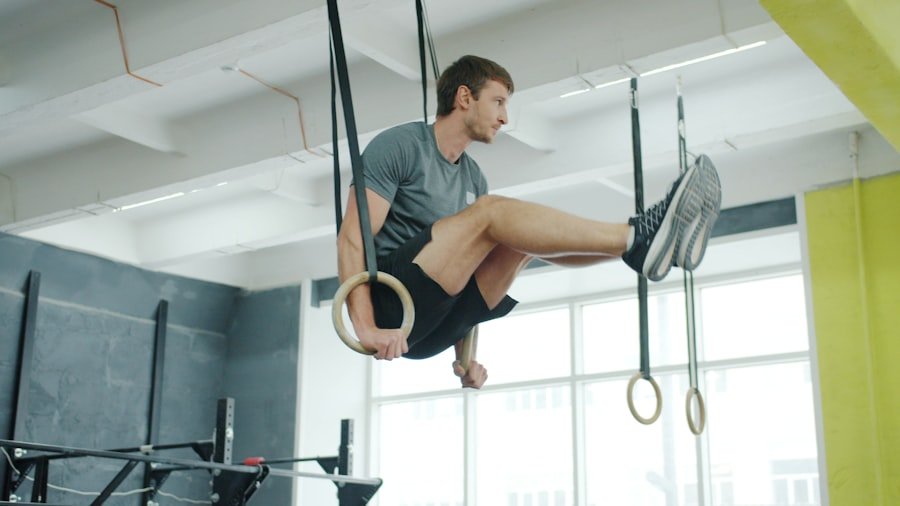
Before embarking on a journey to enhance core strength, it is crucial to assess your current level of fitness. This assessment can be conducted through various methods, including functional movement screenings or specific core strength tests. One common test is the plank hold, where individuals maintain a plank position for as long as possible while ensuring proper form.
The duration one can hold this position provides insight into core endurance and strength. Another effective assessment is the sit-up test, which measures how many sit-ups can be performed in a set time frame, indicating both strength and endurance. In addition to these tests, self-assessment can also be valuable.
Individuals should pay attention to their daily activities and how their body responds during movements that require core engagement. For example, if you find yourself struggling with balance during activities like standing on one leg or performing squats, it may indicate a need for improved core stability. Keeping a journal to track your experiences with various movements can help identify patterns and areas that require focus as you work towards strengthening your core.
Safe Exercises for Building Core Strength
Building core strength should be approached with care to avoid injury while maximizing effectiveness. A variety of exercises can target different aspects of core strength, including stability, endurance, and power. One foundational exercise is the plank, which engages multiple muscle groups simultaneously.
To perform a plank correctly, position yourself face down with your forearms on the ground and your body in a straight line from head to heels. Hold this position for as long as possible while maintaining proper alignment. Another effective exercise is the dead bug, which focuses on coordination and stability while engaging the core.
To perform this exercise, lie on your back with your arms extended toward the ceiling and your knees bent at 90 degrees. Slowly lower one arm and the opposite leg toward the ground while keeping your lower back pressed into the floor. Return to the starting position and repeat on the other side.
This exercise not only strengthens the core but also enhances coordination between upper and lower body movements.
Incorporating Stability and Balance Training
| Week | Exercise Type | Duration (minutes) | Repetitions | Intensity Level | Notes |
|---|---|---|---|---|---|
| 1-2 | Pelvic Tilts, Diaphragmatic Breathing | 10 | 10-15 | Low | Focus on gentle movements and pain-free range |
| 3-4 | Bridges, Modified Planks | 15 | 8-12 | Low to Moderate | Increase hold time gradually, maintain proper form |
| 5-6 | Bird-Dog, Side Planks | 20 | 10-15 | Moderate | Engage core muscles, avoid any sharp pain |
| 7-8 | Bodyweight Squats, Dead Bug | 25 | 12-15 | Moderate to High | Focus on controlled movements and breathing |
| 9-12 | Resistance Band Exercises, Plank Variations | 30 | 15-20 | High | Increase resistance gradually, monitor for discomfort |
In addition to traditional core exercises, incorporating stability and balance training into your routine can further enhance core strength and functional fitness. Stability training often involves exercises that challenge your ability to maintain balance while engaging your core muscles. For instance, using a stability ball for exercises like wall squats or push-ups can increase the demand on your core as you work to stabilize your body on an unstable surface.
Balance training can also be integrated through activities such as yoga or Pilates, which emphasize controlled movements and body awareness. These practices not only strengthen the core but also improve flexibility and posture. For example, poses like the tree pose in yoga require significant core engagement to maintain balance while standing on one leg.
By regularly incorporating stability and balance exercises into your routine, you can develop a more resilient core that supports overall physical performance.
Gradually Increasing Intensity and Load

As with any fitness regimen, it is essential to gradually increase the intensity and load of your core workouts to continue making progress without risking injury. This principle of progressive overload applies to core training just as it does to strength training for other muscle groups. Start with basic exercises that allow you to master form before advancing to more challenging variations or adding resistance.
For instance, once you have built a solid foundation with basic planks, you might progress to side planks or plank variations that incorporate movement, such as plank jacks or shoulder taps. Additionally, incorporating weights into exercises like Russian twists or medicine ball slams can further challenge your core muscles. It’s important to listen to your body during this process; if you experience pain or discomfort beyond typical muscle fatigue, it may be necessary to scale back or modify your approach.
Seeking Professional Guidance and Support
While many individuals can successfully build core strength through self-directed efforts, seeking professional guidance can provide valuable insights and ensure that you are following a safe and effective program. Personal trainers or physical therapists specializing in core strength can assess your individual needs and create a tailored workout plan that addresses any specific weaknesses or imbalances. Moreover, professional guidance can help you learn proper techniques for exercises that may otherwise lead to injury if performed incorrectly.
For example, a trainer can provide feedback on your form during complex movements like deadlifts or kettlebell swings, ensuring that you engage your core effectively while minimizing strain on your back. Additionally, participating in group classes led by certified instructors can foster motivation and accountability while providing an opportunity to learn from others’ experiences.
Maintaining a Consistent and Balanced Routine
Consistency is key when it comes to building and maintaining core strength over time. Establishing a regular workout schedule that incorporates core exercises alongside other forms of fitness—such as cardiovascular training and flexibility work—can lead to comprehensive improvements in overall health and performance. Aim for at least two to three dedicated core workouts per week while integrating core engagement into other activities.
A balanced routine should also consider recovery time; allowing muscles adequate time to rest and repair is crucial for long-term progress. Incorporating rest days or active recovery sessions—such as light stretching or low-impact activities—can help prevent burnout and reduce the risk of overuse injuries. By committing to a consistent and well-rounded fitness regimen that prioritizes core strength, individuals can enjoy enhanced physical capabilities and a reduced risk of injury throughout their lives.
FAQs
Why is core strength important after a back injury?
Core strength is crucial after a back injury because it helps stabilize the spine, reduces strain on the back muscles, and supports proper posture. Strengthening the core can aid in recovery and prevent future injuries.
When can I start building core strength after a back injury?
The timing varies depending on the severity of the injury and individual healing progress. It is important to consult a healthcare professional before beginning any core strengthening exercises to ensure it is safe to do so.
What types of exercises are recommended for gradually building core strength?
Low-impact exercises such as pelvic tilts, bridges, gentle abdominal contractions, and modified planks are often recommended. These exercises should be performed slowly and with proper form to avoid further injury.
How often should I perform core strengthening exercises after a back injury?
Frequency depends on individual recovery and guidance from a healthcare provider. Generally, starting with 2-3 times per week and gradually increasing as strength improves is advisable.
Are there any precautions to take when building core strength after a back injury?
Yes, it is important to avoid exercises that cause pain or discomfort, maintain proper form, and progress gradually. Always follow the advice of a healthcare professional or physical therapist.
Can building core strength help prevent future back injuries?
Yes, a strong core supports the spine and improves overall stability, which can reduce the risk of future back injuries.
Should I use equipment or weights when building core strength after a back injury?
Initially, it is best to focus on bodyweight exercises to ensure proper technique and avoid strain. Equipment or weights can be introduced later under professional supervision if appropriate.
How long does it take to see improvements in core strength after a back injury?
Improvements can vary but typically take several weeks to months of consistent, gradual exercise. Patience and adherence to a safe exercise program are key to effective recovery.