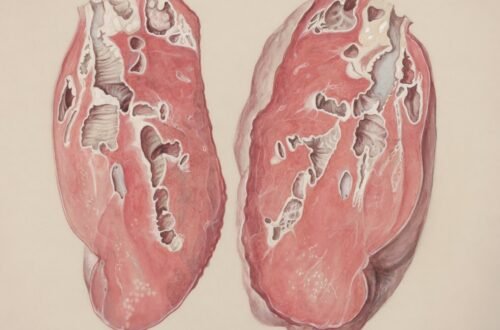

High blood pressure, or hypertension, is a chronic medical condition characterized by elevated pressure in the arteries, which can lead to serious health complications if left unmanaged. Blood pressure is measured in millimeters of mercury (mmHg) and is expressed as two numbers: systolic pressure (the pressure in the arteries when the heart beats) over diastolic pressure (the pressure in the arteries when the heart rests between beats). A normal reading is typically around 120/80 mmHg, while hypertension is generally defined as having a reading of 130/80 mmHg or higher.
The condition can be classified into different stages, with Stage 1 hypertension ranging from 130-139 systolic or 80-89 diastolic, and Stage 2 hypertension being 140/90 mmHg or higher. The causes of high blood pressure can be multifaceted, including genetic predisposition, poor diet, lack of physical activity, obesity, and excessive alcohol consumption. Additionally, stress and chronic conditions such as diabetes and kidney disease can contribute to the development of hypertension.
Understanding these underlying factors is crucial for effective management. Lifestyle modifications, including dietary changes and increased physical activity, are often recommended as first-line interventions. However, many individuals with high blood pressure may feel uncertain about how to safely incorporate exercise into their routines, particularly when it comes to cardiovascular workouts and strength training.
Risks of Exercising with High Blood Pressure
While exercise is generally beneficial for individuals with high blood pressure, it is essential to recognize the potential risks associated with physical activity in this population. Engaging in intense workouts without proper precautions can lead to adverse events such as heart strain, arrhythmias, or even hypertensive crises, where blood pressure spikes dangerously high. These risks are particularly pronounced in individuals who have not been regularly active or who have poorly controlled hypertension.
Therefore, understanding one’s own health status and limitations is critical before embarking on an exercise regimen. Moreover, certain types of exercises may pose greater risks than others. For instance, high-intensity interval training (HIIT) or heavy weightlifting can lead to significant spikes in blood pressure during exertion.
This is particularly concerning for those with Stage 2 hypertension or other cardiovascular issues. It is vital for individuals with high blood pressure to approach exercise with caution and to prioritize safety over intensity. This means being aware of one’s body signals during workouts and recognizing when to modify or stop an activity if symptoms such as dizziness, chest pain, or excessive shortness of breath occur.
Adapting Cardiovascular Workouts

When it comes to cardiovascular workouts for individuals with high blood pressure, adaptation is key. Low-impact aerobic exercises such as walking, cycling, swimming, or using an elliptical machine are often recommended as they provide cardiovascular benefits without placing excessive strain on the heart. These activities can help improve heart health by enhancing circulation and reducing overall blood pressure levels over time.
The American Heart Association suggests aiming for at least 150 minutes of moderate-intensity aerobic exercise per week, which can be broken down into manageable sessions throughout the week. In addition to choosing appropriate activities, it is also important to consider the intensity of cardiovascular workouts. Individuals with high blood pressure should aim for moderate intensity, which can be gauged by the ability to talk while exercising but not sing.
This level of exertion allows for cardiovascular benefits while minimizing the risk of excessive spikes in blood pressure. Gradually increasing the duration and intensity of workouts can help build endurance and strength without overwhelming the cardiovascular system. Incorporating interval training at a moderate level—alternating between periods of brisk walking and slower-paced recovery—can also be an effective strategy for improving fitness while managing blood pressure.
Incorporating Strength Training Safely
Strength training can be a valuable component of an exercise program for individuals with high blood pressure, provided it is approached with caution and proper technique. Resistance training helps build muscle mass, improve metabolism, and enhance overall functional capacity. However, it is crucial to avoid heavy lifting or exercises that require straining, as these can lead to significant increases in blood pressure during the activity.
Instead, lighter weights with higher repetitions are often recommended to promote strength without undue stress on the cardiovascular system. When incorporating strength training into a fitness routine, focusing on major muscle groups using bodyweight exercises or resistance bands can be beneficial. Exercises such as squats, lunges, push-ups, and seated rows can effectively build strength while allowing for better control over intensity.
Additionally, maintaining proper form and breathing techniques during strength training is essential; individuals should exhale during exertion and avoid holding their breath, which can lead to spikes in blood pressure. It is advisable to start with two to three sessions per week, allowing for adequate recovery time between workouts to prevent fatigue and overexertion.
Tips for Monitoring Intensity
| Workout Type | Recommended Intensity | Duration | Frequency | Precautions | Benefits for High Blood Pressure |
|---|---|---|---|---|---|
| Walking | Moderate (50-70% max heart rate) | 30-60 minutes | 5 days per week | Avoid very steep inclines; monitor heart rate | Improves cardiovascular health and lowers blood pressure |
| Strength Training | Light to Moderate (40-60% 1RM) | 20-30 minutes | 2-3 days per week | Avoid heavy lifting and breath-holding (Valsalva maneuver) | Enhances muscle tone and supports blood pressure control |
| Yoga | Low to Moderate | 30-60 minutes | 3-5 days per week | Avoid inverted poses; focus on breathing | Reduces stress and promotes relaxation, aiding blood pressure management |
| Swimming | Moderate | 30-45 minutes | 3-4 days per week | Ensure warm-up and cool-down; avoid sudden intense bursts | Improves heart and lung function with low joint impact |
| Cycling | Moderate | 30-60 minutes | 4-5 days per week | Maintain steady pace; avoid high resistance | Enhances cardiovascular endurance and lowers blood pressure |
Monitoring exercise intensity is crucial for individuals with high blood pressure to ensure they remain within safe limits during physical activity. One effective method is the Rate of Perceived Exertion (RPE) scale, which allows individuals to gauge their effort based on how they feel during exercise. The scale typically ranges from 1 to 10, where 1 represents very light activity (like sitting) and 10 represents maximal effort (like sprinting).
For those with high blood pressure, aiming for an RPE of around 4 to 6—indicating moderate exertion—can help maintain safety while still reaping the benefits of exercise. Another useful tool for monitoring intensity is heart rate monitoring. Individuals can calculate their target heart rate zone by subtracting their age from 220 to determine their maximum heart rate and then calculating 50-70% of that number for moderate-intensity exercise.
Using a heart rate monitor or fitness tracker can provide real-time feedback during workouts, allowing individuals to adjust their intensity as needed. Additionally, keeping a workout log that includes details about duration, type of exercise, and perceived exertion can help track progress over time and identify patterns that may require adjustments.
Importance of Proper Warm-Up and Cool Down

A proper warm-up and cool-down routine are essential components of any exercise program, especially for individuals with high blood pressure. Warming up prepares the body for physical activity by gradually increasing heart rate and blood flow to the muscles. This process helps reduce the risk of injury and allows the cardiovascular system to adapt more effectively to increased demands during exercise.
A warm-up should last about 5-10 minutes and may include dynamic stretches or light aerobic activities such as brisk walking or gentle cycling. Similarly, cooling down after exercise is equally important as it helps the body transition back to a resting state. A cool-down period allows heart rate and blood pressure to gradually return to baseline levels, reducing the risk of post-exercise dizziness or fainting.
This phase should also last about 5-10 minutes and may involve slower-paced movements followed by static stretching to enhance flexibility and promote recovery. Incorporating these practices into a workout routine not only supports cardiovascular health but also contributes to overall well-being by fostering a mindful approach to physical activity.
Lifestyle Changes to Support Exercise
In addition to structured exercise programs, making lifestyle changes can significantly enhance the effectiveness of physical activity for individuals with high blood pressure. Dietary modifications play a crucial role; adopting a heart-healthy diet rich in fruits, vegetables, whole grains, lean proteins, and healthy fats can help lower blood pressure levels over time. The DASH (Dietary Approaches to Stop Hypertension) diet is often recommended for those with hypertension as it emphasizes nutrient-dense foods while limiting sodium intake.
Furthermore, managing stress through mindfulness practices such as yoga or meditation can also support overall cardiovascular health. Chronic stress has been linked to elevated blood pressure levels; therefore, incorporating relaxation techniques into daily routines can help mitigate this risk factor. Additionally, ensuring adequate sleep is vital for maintaining healthy blood pressure levels; poor sleep quality has been associated with increased hypertension risk.
By addressing these lifestyle factors alongside regular exercise, individuals can create a comprehensive approach to managing high blood pressure effectively.
Consulting with a Healthcare Professional
Before embarking on any new exercise program or making significant lifestyle changes, it is essential for individuals with high blood pressure to consult with a healthcare professional. A physician or certified fitness trainer experienced in working with hypertensive patients can provide personalized recommendations based on individual health status and fitness goals. They may conduct assessments such as measuring current blood pressure levels during rest and after exercise or evaluating any underlying health conditions that could impact exercise safety.
Healthcare professionals can also offer guidance on appropriate types of exercises and intensity levels tailored specifically for each individual’s needs. They may recommend specific monitoring strategies or suggest modifications based on personal preferences and limitations. Regular follow-up appointments can help track progress over time and make necessary adjustments to ensure that exercise remains safe and effective in managing high blood pressure.
By collaborating with healthcare providers, individuals can empower themselves to take control of their health through informed decision-making regarding physical activity and lifestyle changes.
FAQs
Can people with high blood pressure safely exercise?
Yes, people with high blood pressure can safely exercise, but it is important to choose appropriate types and intensities of workouts. Consulting a healthcare provider before starting any exercise program is recommended.
What types of exercises are best for individuals with high blood pressure?
Aerobic exercises such as walking, swimming, cycling, and low-impact activities are generally recommended. Strength training with light to moderate weights can also be beneficial when done carefully.
How often should someone with high blood pressure exercise?
Most guidelines suggest aiming for at least 150 minutes of moderate-intensity aerobic exercise per week, spread over most days. Strength training can be done 2-3 times per week.
Are there any exercises that people with high blood pressure should avoid?
High-intensity exercises, heavy weightlifting, and activities that involve holding the breath or straining (Valsalva maneuver) should be avoided or done with caution, as they can cause sudden spikes in blood pressure.
How can workouts be adjusted for high blood pressure?
Adjustments include starting with lower intensity, increasing duration gradually, avoiding breath-holding, incorporating warm-up and cool-down periods, and monitoring blood pressure regularly.
Is it important to monitor blood pressure during exercise?
Yes, monitoring blood pressure before, during, and after exercise can help ensure safety and guide workout intensity. If blood pressure rises too high or symptoms occur, exercise should be stopped and medical advice sought.
Can exercise help lower high blood pressure?
Regular physical activity is proven to help lower and manage high blood pressure by improving heart health, reducing arterial stiffness, and aiding weight management.
Should medication be adjusted when starting an exercise program?
Any medication changes should only be made under the guidance of a healthcare provider. Exercise may influence blood pressure control, but medication adjustments require professional evaluation.
What symptoms during exercise indicate a need to stop and seek medical advice?
Symptoms such as chest pain, dizziness, excessive shortness of breath, palpitations, or severe headache during exercise warrant immediate cessation of activity and medical evaluation.
Can stress management techniques complement exercise for high blood pressure?
Yes, combining exercise with stress reduction methods like deep breathing, meditation, or yoga can further help manage high blood pressure effectively.