Berber villages in the Atlas Mountains showcase the traditional lifestyle of the indigenous Berber people. These settlements feature adobe architecture and agricultural terraces that have been maintained for generations. Each village displays distinct characteristics influenced by its geographical location and local customs.
The Berber community is known for producing textiles and pottery with intricate designs that reflect their artistic traditions. The villages are strategically located in mountainous terrain, often positioned on hilltops that provide expansive views of the surrounding landscape. This elevated positioning historically served defensive purposes and continues to strengthen community bonds among residents.
The architectural style, with its earth-toned buildings, contrasts with the cultivated green fields that surround these settlements. The region offers opportunities for hiking along established trails that connect various villages. The Berber people are recognized for their hospitality toward visitors, frequently inviting travelers to share meals and tea.
These interactions provide direct insight into Berber daily life, customs, and cultural practices. The combination of natural scenery, traditional settlement patterns, and accessible community engagement makes these villages significant destinations for cultural and environmental tourism in Morocco.
Participating in Traditional Crafts and Workshops
One of the most enriching aspects of visiting Berber villages is the opportunity to participate in traditional crafts and workshops. The Berber people are renowned for their artisanal skills, particularly in weaving, pottery, and woodworking. Many villages have established workshops where visitors can engage with local artisans, learning about their techniques and even trying their hand at creating their own pieces.
For instance, in a weaving workshop, participants can discover the intricate process of crafting a Berber rug, from selecting the right wool to mastering the art of knotting. This hands-on experience not only fosters appreciation for the craftsmanship involved but also allows visitors to take home a unique souvenir imbued with personal significance. Pottery is another traditional craft that thrives in Berber culture.
In certain villages, artisans create stunning ceramic pieces using age-old techniques passed down through generations. Visitors can observe the entire process, from shaping the clay on a potter’s wheel to glazing and firing the finished product. Engaging in these workshops provides insight into the cultural significance of these crafts; for example, many pottery designs are inspired by local folklore and nature, reflecting the deep connection between the Berber people and their environment.
By participating in these activities, travelers not only gain practical skills but also forge meaningful connections with their hosts, fostering a deeper understanding of Berber heritage.
Visiting Local Markets and Farms
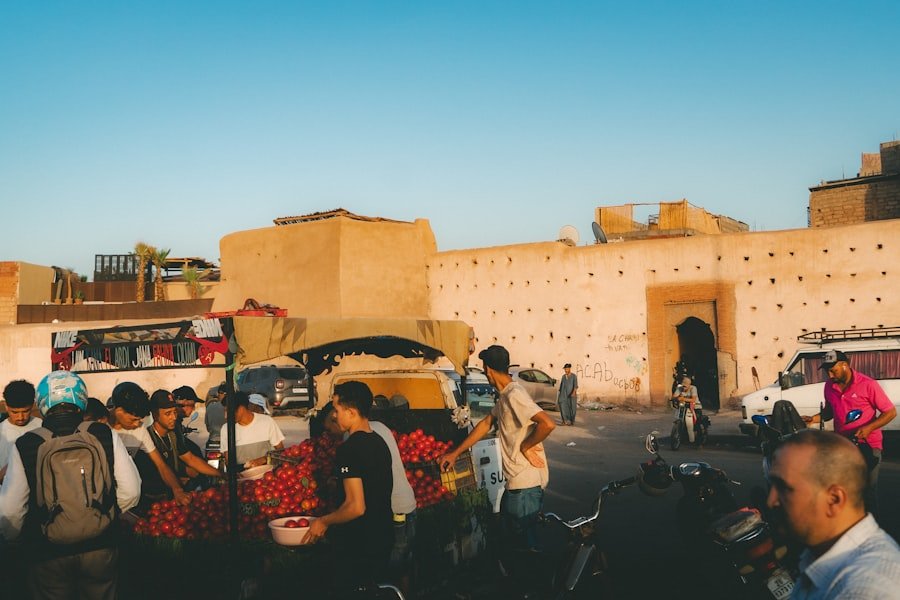
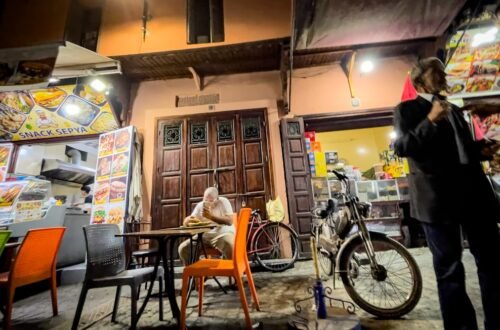
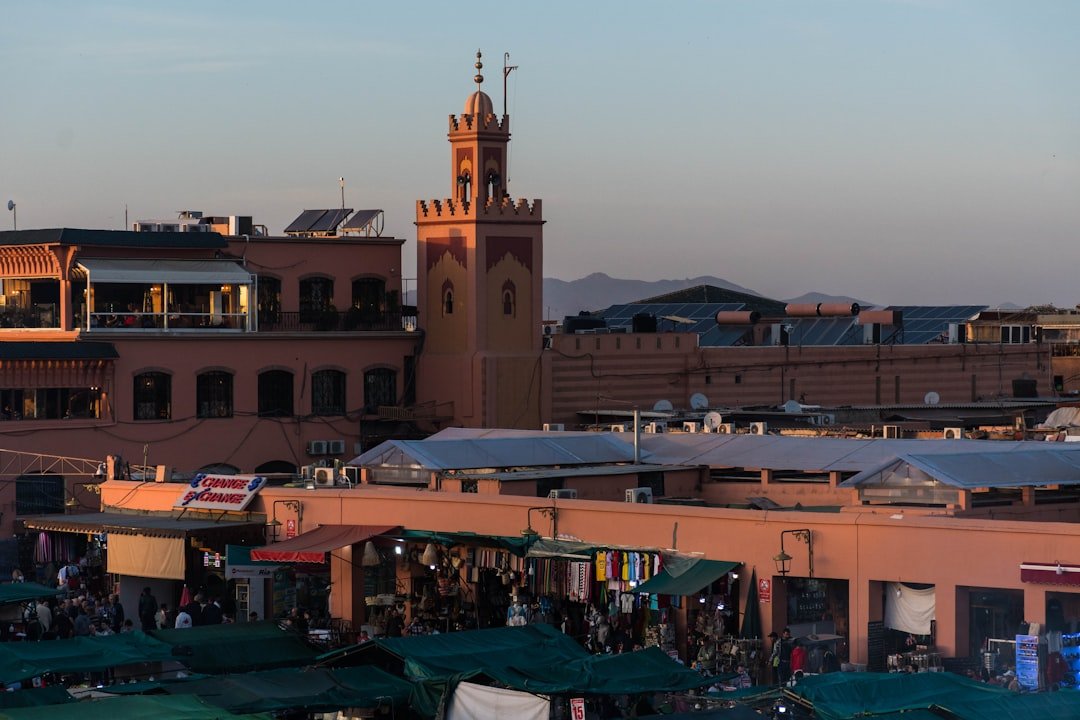
The local markets in Berber villages are vibrant hubs of activity that showcase the region’s agricultural bounty and artisanal products. These markets are often held weekly and draw not only villagers but also traders from surrounding areas. Stalls brimming with fresh produce, spices, textiles, and handcrafted goods create a sensory feast for visitors.
The lively atmosphere is punctuated by the sounds of bargaining and laughter as locals engage in friendly exchanges. For travelers, wandering through these markets offers an authentic glimpse into daily life in Berber communities. It is an opportunity to sample local delicacies, such as olives, dates, and various cheeses, while also supporting local farmers and artisans.
Farms surrounding these villages play a crucial role in sustaining the community’s way of life. Many families cultivate crops such as barley, wheat, and various fruits and vegetables using traditional farming methods that have been practiced for generations. Visitors can often arrange tours of these farms to learn about sustainable agricultural practices and the challenges faced by farmers in this mountainous region.
Engaging with farmers provides insight into their daily routines and the importance of agriculture in Berber culture. Additionally, some farms offer opportunities for visitors to participate in seasonal activities like harvesting or planting, creating a deeper connection to the land and its people.
Sampling Authentic Moroccan Cuisine
No visit to Berber villages would be complete without indulging in authentic Moroccan cuisine. The culinary traditions of the Berber people are rich and diverse, reflecting a blend of influences from Arab, Mediterranean, and indigenous cultures. Meals are often prepared using fresh ingredients sourced from local markets or farms, ensuring that flavors are vibrant and seasonal.
One of the most iconic dishes is tagine, a slow-cooked stew made with meat or vegetables and flavored with an array of spices such as cumin, coriander, and saffron. The dish is named after the earthenware pot in which it is cooked, which helps to retain moisture and enhance flavors. Another staple of Berber cuisine is couscous, typically served on Fridays as part of a communal meal.
This dish consists of steamed semolina grains topped with vegetables and meat or served with a rich broth. Sharing meals is an integral part of Berber hospitality; visitors may find themselves seated around a large platter with locals, enjoying not only delicious food but also engaging in lively conversation. Additionally, traditional mint tea plays a central role in social gatherings; its preparation is an art form in itself, often involving elaborate pouring techniques that create a frothy top.
Sampling these culinary delights provides travelers with a deeper appreciation for Berber culture while also tantalizing their taste buds.
Engaging in Cultural Experiences and Festivals
| Metric | Details | Notes |
|---|---|---|
| Average Daily Visitors | 150-200 | Tourists seeking authentic local experiences |
| Local Market Days | Twice a week (Tuesday & Saturday) | Best days to experience local trade and crafts |
| Popular Local Activities | Olive picking, pottery making, traditional cooking classes | Hands-on cultural immersion |
| Average Stay Duration | 2-3 days | Enough time to explore outskirts and nearby villages |
| Local Cuisine Sampling | Available daily at family-run eateries | Includes tagine, couscous, and fresh mint tea |
| Transportation Options | Shared taxis, bicycles, and walking tours | Affordable and eco-friendly choices |
| Accommodation Types | Guesthouses, riads, and homestays | Focus on authentic local hospitality |
| Language Spoken | Arabic, Berber, French | Basic English understood in tourist areas |
Cultural experiences in Berber villages extend beyond daily life; they often include vibrant festivals that celebrate local traditions and heritage. These events provide an opportunity for visitors to witness traditional music, dance, and storytelling that have been passed down through generations. One notable festival is the Imilchil Marriage Festival, held annually in September.
This event attracts young men and women from various tribes seeking potential spouses while celebrating their cultural identity through music and dance performances. The festival is marked by colorful attire, lively music played on traditional instruments like the guembri (a three-stringed lute), and communal feasting. In addition to marriage festivals, other cultural events highlight agricultural practices or religious observances.
For instance, during harvest season, villages may host celebrations to give thanks for bountiful crops. These gatherings often feature traditional games, music performances, and communal meals that strengthen community bonds. Engaging in these cultural experiences allows visitors to immerse themselves fully in Berber life while fostering mutual respect and understanding between cultures.
It is not uncommon for travelers to be invited to participate in dances or join in traditional songs, creating lasting memories that transcend language barriers.
Discovering Ancient Ruins and Historical Sites
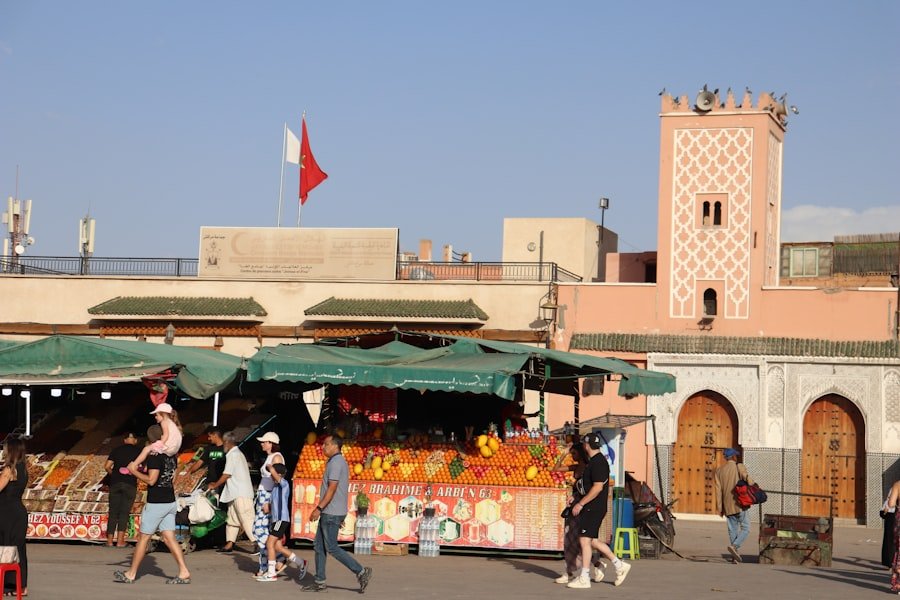
The history of the Berber people is rich and complex, with ancient ruins scattered throughout the Atlas Mountains serving as testament to their enduring legacy. Many villages are located near historical sites that offer insight into Berber civilization dating back thousands of years. One such site is Ait Benhaddou, a UNESCO World Heritage site known for its well-preserved kasbahs (fortified villages) that exemplify traditional Moroccan earthen architecture.
This ancient trading post along the caravan route between Marrakech and the Sahara Desert has been featured in numerous films due to its striking beauty. Exploring these ruins provides an opportunity to learn about the historical significance of trade routes and interactions between different cultures over centuries. Visitors can wander through narrow alleyways lined with mud-brick buildings adorned with intricate carvings while imagining what life was like during its heyday as a bustling marketplace.
Other sites include ancient granaries and watchtowers that showcase the strategic importance of these locations in protecting resources from invaders. Engaging with local guides who share stories about these historical landmarks enriches the experience further by providing context about their cultural relevance.
Connecting with Local Communities and Families
One of the most rewarding aspects of visiting Berber villages is the chance to connect with local communities and families on a personal level. The warmth and hospitality extended by Berber people create an inviting atmosphere for travelers seeking authentic experiences. Many families open their homes to visitors for overnight stays or meals, allowing guests to immerse themselves in daily life while forging meaningful connections.
Sharing stories over dinner or participating in household activities such as cooking or farming fosters mutual understanding between cultures. These interactions often lead to lasting friendships that transcend geographical boundaries. Visitors may find themselves invited back for future celebrations or events within the community as bonds deepen over shared experiences.
Engaging with local families also provides insight into contemporary challenges faced by Berber communities today—such as access to education or healthcare—while highlighting their resilience and commitment to preserving their cultural identity amidst modernization pressures.
Experiencing the Natural Beauty of the Atlas Mountains
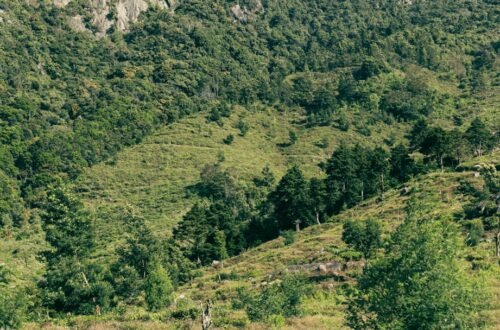
The Atlas Mountains themselves are a breathtaking backdrop to any visit to Berber villages, offering stunning landscapes that captivate nature lovers and adventurers alike. Towering peaks covered in snow contrast sharply with lush valleys dotted with wildflowers during springtime—a sight that leaves many visitors in awe. Hiking trails wind through this mountainous terrain, leading explorers past cascading waterfalls, ancient cedar forests, and panoramic viewpoints that showcase sweeping vistas.
Outdoor enthusiasts can partake in various activities such as trekking or mountain biking along well-marked paths while soaking up fresh mountain air filled with scents of pine trees mingling with wild herbs like thyme or rosemary growing abundantly along trailsides. For those seeking more adrenaline-pumping experiences, rock climbing opportunities abound on sheer cliffs offering challenges suitable for all skill levels—making it an ideal destination for adventure seekers looking to push their limits amidst stunning natural beauty. The Atlas Mountains not only provide recreational opportunities but also serve as vital ecosystems supporting diverse flora and fauna unique to this region—making them essential for conservation efforts aimed at preserving biodiversity while promoting sustainable tourism practices within local communities reliant on these natural resources for their livelihoods.
In conclusion, exploring Berber villages offers an enriching experience filled with cultural immersion through traditional crafts workshops; vibrant markets showcasing local produce; authentic culinary delights; engaging festivals celebrating heritage; historical ruins revealing ancient legacies; personal connections forged within communities; all set against breathtaking landscapes that define this remarkable region—creating memories that linger long after leaving its enchanting embrace behind.
FAQs
What can I expect when visiting the outskirts of Marrakech?
Visitors to the outskirts of Marrakech can expect a more authentic and tranquil experience compared to the bustling city center. The area offers traditional Berber villages, local markets, and scenic landscapes including olive groves and palm plantations.
Are there opportunities to interact with local communities?
Yes, many tours and homestays on the outskirts of Marrakech provide opportunities to engage with local Berber families, learn about their customs, and participate in daily activities such as cooking or farming.
What types of accommodations are available outside Marrakech?
Accommodations range from traditional riads and guesthouses to eco-lodges and rural homestays. These options often emphasize sustainability and cultural immersion.
Is it safe to travel to the outskirts of Marrakech?
Generally, the outskirts of Marrakech are safe for tourists. However, it is advisable to travel with a guide or as part of an organized tour, especially when visiting remote villages, to ensure safety and cultural respect.
What transportation options are available to reach the outskirts?
Visitors can reach the outskirts by taxi, rental car, or organized tours. Some areas may require 4×4 vehicles due to rough terrain.
What cultural experiences are unique to the outskirts of Marrakech?
Unique experiences include visiting traditional Berber markets (souks), attending local festivals, tasting authentic Moroccan cuisine prepared by locals, and exploring ancient kasbahs and kasbah ruins.
When is the best time to visit the outskirts of Marrakech?
The best time to visit is during spring (March to May) and autumn (September to November) when the weather is mild and pleasant, making outdoor activities more enjoyable.
Are there any environmental considerations when visiting rural areas near Marrakech?
Visitors are encouraged to respect local customs, minimize waste, and support eco-friendly accommodations and tours to help preserve the natural environment and cultural heritage of the region.