Morocco’s agricultural sector encompasses diverse farming practices across varied climates and geographical regions. The northern Mediterranean zones feature extensive olive and grape cultivation, while southern arid areas support date palm and cereal production despite harsh environmental conditions. Moroccan farmers employ traditional techniques refined over generations, including terracing in mountainous regions to prevent soil erosion and optimize cultivable land.
Agricultural practices in rural Morocco often involve cooperative systems where farmers share resources and knowledge to improve productivity. Saffron cultivation in the high-altitude Taliouine region exemplifies specialized crop production that generates significant economic value. The saffron harvest requires manual flower collection and typically involves community participation, reflecting the social organization of agricultural work.
Integrated livestock farming, particularly sheep grazing combined with crop production, represents a comprehensive land management approach that has supported rural communities historically. These farming methods demonstrate practical knowledge of local environmental conditions and sustainable resource management. The combination of traditional techniques, cooperative labor arrangements, and diversified crop and livestock systems has enabled Moroccan agriculture to function effectively across different climatic zones and terrain types.
Participating in Traditional Craft Workshops
Morocco is renowned for its vibrant artisanal traditions, which are deeply embedded in the cultural identity of its regions. Participating in traditional craft workshops offers an immersive experience into the skills and techniques that artisans have honed over generations. In cities like Fes and Marrakech, visitors can engage with master craftsmen who specialize in various forms of art, from intricate tile work known as zellige to the delicate art of leather tanning.
These workshops not only provide insight into the meticulous processes involved but also allow participants to create their own pieces under the guidance of skilled artisans. The experience of crafting pottery in a local workshop can be particularly enlightening. Participants learn about the significance of each design and color choice, often rooted in historical symbolism or regional identity.
For example, the use of specific motifs can reflect local flora or fauna, while color palettes may be influenced by the surrounding landscape. This hands-on approach fosters a deeper appreciation for Moroccan craftsmanship and its connection to cultural narratives. Moreover, engaging with artisans helps sustain these traditional practices, as it encourages younger generations to take an interest in their heritage and continue these time-honored skills.
Sampling Authentic Moroccan Cuisine
Moroccan cuisine is a vibrant fusion of flavors, colors, and aromas that reflects the country’s diverse cultural influences. Sampling authentic dishes is not merely about tasting food; it is an exploration of history and tradition. The iconic tagine, a slow-cooked stew named after the earthenware pot it is cooked in, exemplifies this culinary heritage.
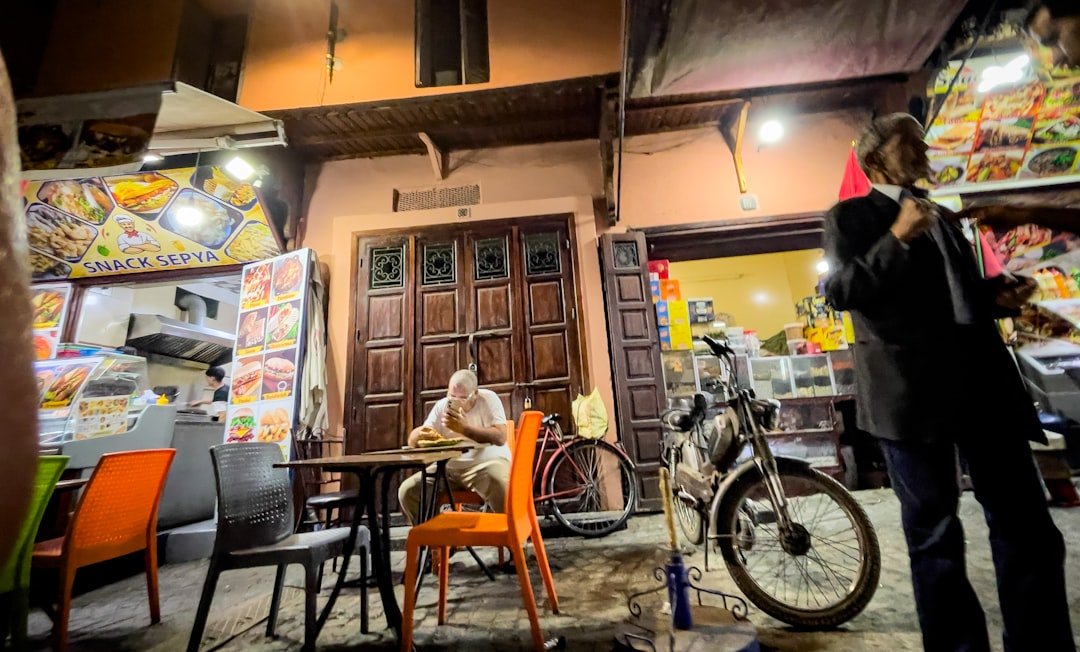
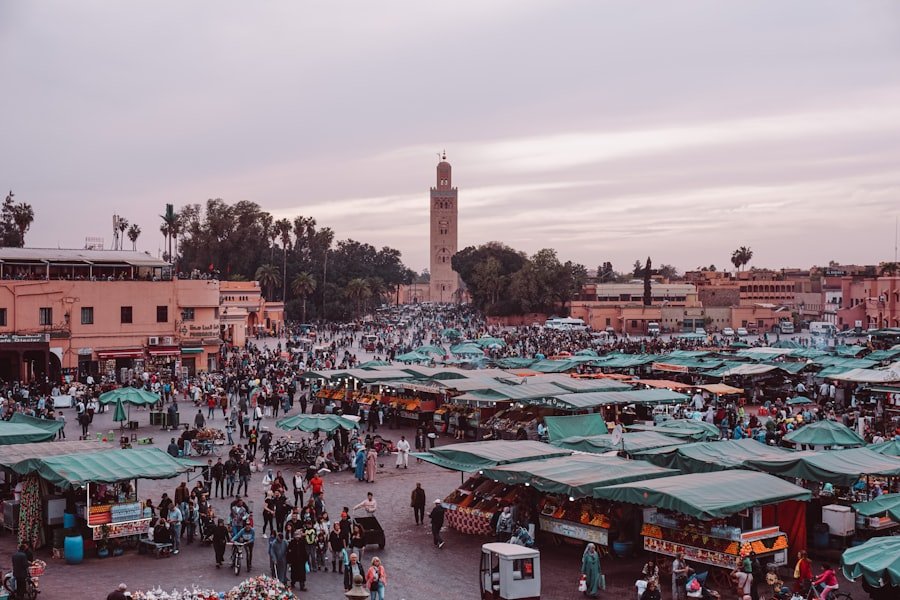
Each region boasts its own variations, with ingredients ranging from tender lamb and chicken to an array of vegetables and spices like saffron, cumin, and coriander. The communal aspect of dining is also significant; meals are often shared among family and friends, fostering connections and celebrating togetherness. Street food is another essential component of Moroccan culinary culture.
In bustling markets, vendors offer an array of tantalizing options such as harira soup, a hearty blend of tomatoes, lentils, and chickpeas traditionally consumed during Ramadan. The experience of enjoying freshly made msemen (flaky pancakes) or snacking on crispy pastilla (a savory-sweet pastry filled with pigeon or chicken) while mingling with locals provides a genuine taste of everyday life in Morocco. Additionally, cooking classes are increasingly popular among visitors eager to learn how to prepare traditional dishes themselves.
These classes often include visits to local markets to select fresh ingredients, further enriching the culinary journey.
Engaging with Local Communities and Traditions
Engaging with local communities in Morocco offers a unique opportunity to understand the intricate tapestry of traditions that shape daily life. Rural villages often maintain customs that have been preserved over centuries, providing visitors with a glimpse into a way of life that is both vibrant and resilient. Participating in community events such as harvest festivals or religious celebrations allows travelers to witness firsthand the strong sense of identity and belonging that characterizes these communities.
For instance, during the olive harvest season, families come together to collect olives from groves, followed by communal meals that celebrate their hard work. Moreover, interactions with local artisans and farmers reveal the importance of oral traditions in preserving history and culture. Storytelling sessions often take place around evening fires or during communal gatherings, where elders share tales that reflect moral lessons or historical events significant to their community.
This oral heritage not only entertains but also educates younger generations about their roots and values. Engaging with local communities fosters mutual respect and understanding, breaking down barriers and building connections that transcend cultural differences.
Observing Wildlife and Natural Landscapes
| Metric | Details | Notes |
|---|---|---|
| Average Daily Visitors | 150-200 | Tourists seeking authentic local experiences |
| Popular Activities | Market visits, traditional cooking classes, guided village tours | Focus on cultural immersion |
| Local Population | Approx. 10,000 residents | Mostly Berber and Arab communities |
| Accommodation Types | Guesthouses, riads, homestays | Emphasis on local hospitality |
| Transportation Options | Shared taxis, bicycles, walking tours | Eco-friendly and community-based |
| Local Cuisine Highlights | Tagine, couscous, mint tea | Often prepared with locally sourced ingredients |
| Best Visiting Season | March to May, September to November | Mild weather and cultural festivals |
| Community Engagement | Workshops, artisan visits, farming experiences | Supports sustainable tourism |
Morocco’s diverse ecosystems provide a stunning backdrop for observing wildlife and natural landscapes that are both breathtaking and ecologically significant. From the rugged Atlas Mountains to the expansive Sahara Desert, each region boasts unique flora and fauna adapted to its environment. Birdwatching enthusiasts can find solace in places like Souss-Massa National Park, where migratory birds flock to wetlands during certain seasons.
The park is home to species such as flamingos and ospreys, offering a chance to witness these magnificent creatures in their natural habitat. The coastal regions also present opportunities for wildlife observation, particularly along the Atlantic coast where marine life thrives. Dolphin and whale watching tours off the coast of Agadir provide an exhilarating experience for nature lovers eager to see these majestic animals up close.
Additionally, hiking through national parks like Toubkal National Park reveals not only stunning vistas but also encounters with endemic species such as the Barbary macaque. These experiences highlight Morocco’s commitment to preserving its natural heritage while promoting eco-tourism as a means of sustainable development.
Learning about Rural Education and Healthcare
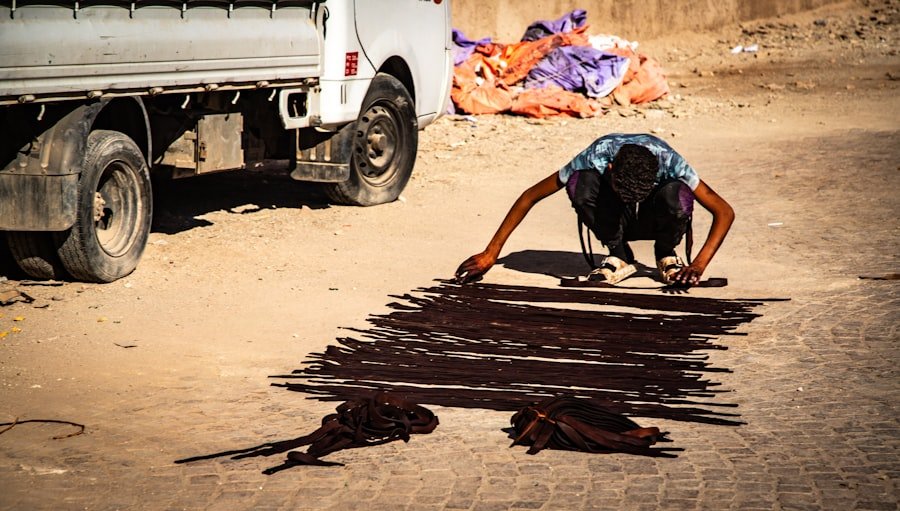
Rural education and healthcare in Morocco face unique challenges due to geographical isolation and limited resources. However, initiatives aimed at improving access to education have made significant strides in recent years. Visiting rural schools provides insight into the innovative approaches being implemented to engage students in learning despite infrastructural limitations.
Many schools have adopted community-based models that involve parents and local leaders in decision-making processes, fostering a sense of ownership over educational outcomes. Healthcare access in rural areas is another critical issue that has garnered attention from both government and non-governmental organizations. Mobile clinics have been established to reach remote communities where healthcare facilities are scarce.
These clinics provide essential services such as vaccinations, maternal care, and health education. Engaging with healthcare workers during visits to these clinics reveals their dedication to improving health outcomes despite logistical challenges. The stories shared by community members about their experiences with healthcare highlight both progress made and ongoing needs within rural populations.
Experiencing Traditional Festivals and Celebrations
Morocco’s calendar is filled with traditional festivals that celebrate cultural heritage through music, dance, food, and communal gatherings. One of the most notable events is the Moussem de Tan-Tan, a vibrant festival that brings together nomadic tribes from across the Sahara Desert. This celebration features traditional music performances, camel races, and exhibitions showcasing artisanal crafts.
Attending such festivals allows visitors to immerse themselves in the rich tapestry of Moroccan culture while witnessing age-old traditions being passed down through generations. Another significant celebration is Eid al-Fitr, marking the end of Ramadan. Families come together to share festive meals and exchange gifts, embodying the spirit of generosity that characterizes Moroccan culture.
Participating in these celebrations provides an opportunity to engage with locals on a personal level, fostering connections that transcend cultural boundaries. The warmth and hospitality extended by Moroccan families during these occasions create lasting memories for visitors who are welcomed into their homes.
Staying in Charming Rural Accommodations
Rural accommodations in Morocco offer travelers a unique blend of comfort and authenticity that enhances their overall experience. Staying in traditional guesthouses or riads allows visitors to immerse themselves in local culture while enjoying warm hospitality. These accommodations often feature architectural elements characteristic of Moroccan design, such as intricate tile work and lush courtyards adorned with fragrant gardens.
In addition to providing comfortable lodging, many rural accommodations offer opportunities for guests to participate in local activities such as cooking classes or guided tours of nearby attractions. For instance, staying at an eco-lodge near the Atlas Mountains may include hiking excursions led by knowledgeable guides who share insights about the region’s flora and fauna. This connection between accommodation and local experiences enriches travelers’ understanding of Moroccan culture while supporting sustainable tourism initiatives that benefit rural communities.
Through these diverse experiences—exploring agriculture practices, participating in craft workshops, sampling cuisine, engaging with communities, observing wildlife, learning about education and healthcare challenges, experiencing festivals, and staying in charming accommodations—visitors gain a comprehensive understanding of Morocco’s rich cultural landscape. Each interaction deepens appreciation for the resilience and vibrancy of rural life while fostering connections that transcend borders and celebrate shared humanity.
FAQs
What can I expect when visiting the outskirts of Marrakech?
Visitors to the outskirts of Marrakech can expect a more authentic and tranquil experience compared to the bustling city center. The area offers traditional Berber villages, local markets, and scenic landscapes including olive groves and palm plantations.
How can I experience local life on the outskirts of Marrakech?
To experience local life, you can participate in guided tours that include visits to Berber homes, cooking classes featuring Moroccan cuisine, and interactions with local artisans. Staying in a riad or guesthouse run by locals also provides insight into daily life.
Are there any cultural customs I should be aware of?
Yes, it is important to dress modestly, especially in rural areas. Always ask permission before taking photographs of people, and be respectful of local traditions and religious practices. Greeting locals with a polite “Salam Alaikum” is appreciated.
What types of local food can I try on the outskirts of Marrakech?
You can try traditional Moroccan dishes such as tagine, couscous, harira soup, and freshly baked bread. Many local homes offer meals prepared with fresh, locally sourced ingredients, providing an authentic taste of Moroccan cuisine.
Is it safe to travel to the outskirts of Marrakech?
Yes, the outskirts of Marrakech are generally safe for tourists. However, it is advisable to travel with a reputable guide or tour operator, especially when visiting remote villages, to ensure safety and a more enriching experience.
What is the best time of year to visit the outskirts of Marrakech?
The best time to visit is during the spring (March to May) and autumn (September to November) when the weather is mild and pleasant. Summers can be very hot, while winters are cooler but still suitable for travel.
How do I get to the outskirts of Marrakech from the city center?
You can reach the outskirts by taxi, private car, or organized tours. Many local guides offer day trips or multi-day excursions to nearby villages and natural attractions outside Marrakech.
Are there opportunities for outdoor activities on the outskirts of Marrakech?
Yes, the area offers hiking, horseback riding, and visits to natural sites such as the Atlas Mountains and palm groves. These activities provide a chance to enjoy the landscape and engage with local communities.