
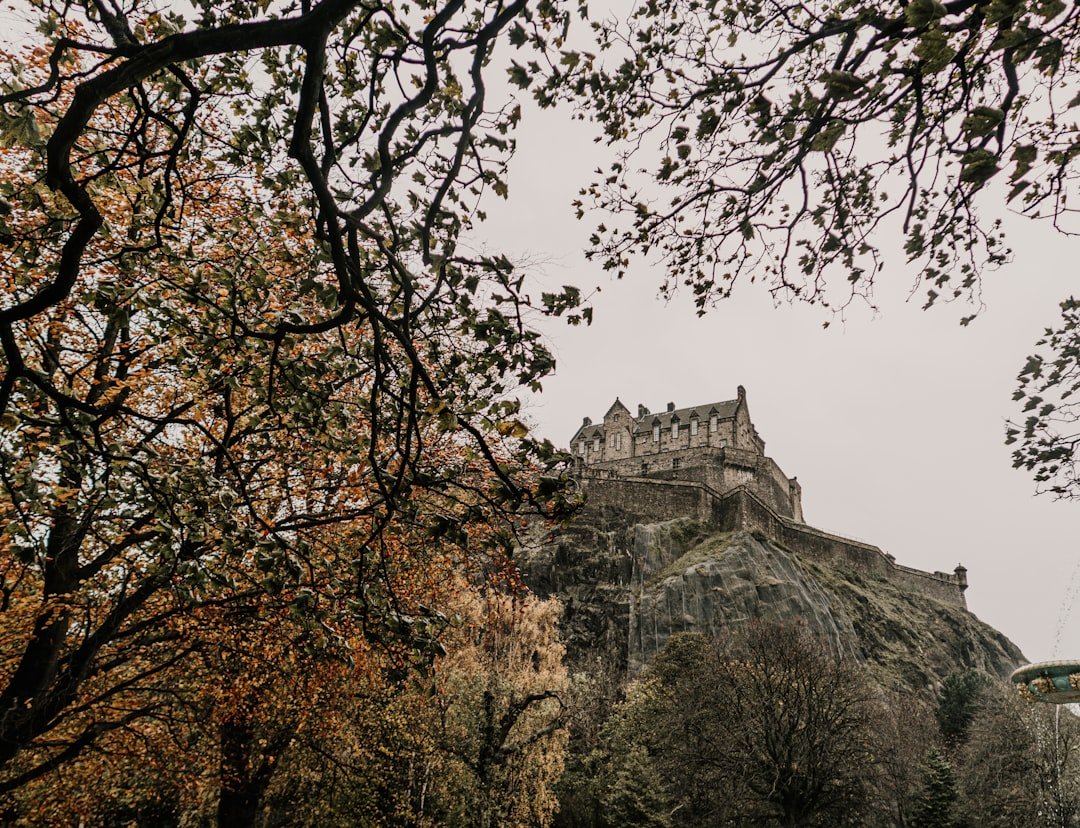
Edinburgh, the capital of Scotland, is a city with significant historical importance, characterized by ancient castles that reflect Scotland’s military and political past. Edinburgh Castle stands as the most notable structure, located on Castle Rock, a volcanic formation that has functioned as a military fortress for centuries. Historical records indicate the castle’s existence dates to at least the 12th century, with documentation appearing in the “Chronicles of the Kings of Scotland.” The castle has endured multiple sieges and military campaigns throughout its history and has served as a venue for royal ceremonies, including the coronations of Scottish monarchs.
It currently houses the Honours of Scotland, the oldest crown jewels in the British Isles. Beyond Edinburgh Castle, additional castles are located throughout Edinburgh and the surrounding region, each with distinct historical significance. Craigmillar Castle, a well-preserved medieval fortress constructed in the 14th century, served as a residence for Mary, Queen of Scots during periods of political instability.
The castle’s architectural design demonstrates the development of Scottish fortification methods, incorporating both medieval and Renaissance elements. Lauriston Castle provides evidence of 19th-century aristocratic life through its Victorian interior design and formal gardens. These castles function as historical monuments that document Scotland’s complex past and cultural heritage.
The Architecture and Design of the Castles
The architectural styles of Edinburgh’s castles are as varied as their histories, reflecting the changing tastes and needs of their occupants over the centuries. Edinburgh Castle is a prime example of medieval military architecture, characterized by its formidable stone walls and strategic positioning. The castle’s layout includes a series of defensive structures such as the St.
Margaret’s Chapel, which is the oldest surviving building in Edinburgh, dating back to the 12th century. Its Romanesque design features thick stone walls and a simple yet elegant interior that has remained largely unchanged over the centuries. In contrast, Craigmillar Castle showcases a blend of medieval and Renaissance architectural elements.
Its impressive tower house is surrounded by a series of defensive walls and towers that were added over time to enhance its fortifications. The castle’s design reflects the transition from purely defensive structures to more comfortable living spaces, with features such as large windows and ornate fireplaces that indicate a shift towards domesticity. The gardens surrounding Craigmillar Castle further enhance its charm, providing a serene backdrop to its historical significance.
Lauriston Castle presents yet another architectural style, embodying the grandeur of the Victorian era. Built in the late 19th century, it features a mix of Scottish baronial and Gothic revival styles, with intricate stone carvings and decorative elements that reflect the wealth and status of its original owners. The interior is equally impressive, boasting lavishly decorated rooms filled with period furniture and art collections that transport visitors back in time.
Each castle in Edinburgh offers a unique perspective on architectural evolution, showcasing how design has been influenced by both functionality and aesthetics throughout history.
The Role of Edinburgh’s Castles in Scottish History
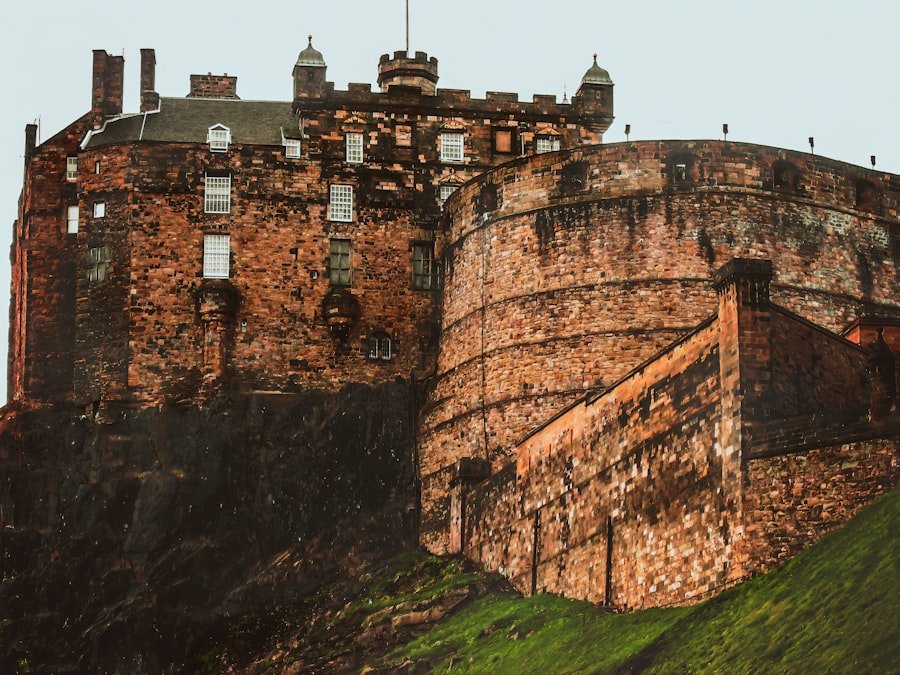
Edinburgh’s castles have played pivotal roles in shaping Scotland’s history, serving as military strongholds, royal residences, and symbols of national pride. Edinburgh Castle has been at the center of many significant events, including the Wars of Scottish Independence in the late 13th and early 14th centuries. It was captured by both English and Scottish forces during these conflicts, with its strategic location making it a coveted prize for both sides.
The castle’s storied past includes tales of sieges, betrayals, and heroic defenses that have become integral to Scotland’s national narrative. Craigmillar Castle also holds historical significance as a site associated with Mary, Queen of Scots. It was here that she sought refuge after her forced abdication in 1567 and where she plotted her return to power.
The castle’s association with such a prominent figure in Scottish history adds layers to its narrative, making it a focal point for those interested in the complexities of royal politics during this tumultuous period. Additionally, Lauriston Castle reflects the changing social dynamics of Scotland in the 19th century, representing the rise of the bourgeoisie and their desire for grand residences that showcased their wealth and influence. The castles are not merely relics of the past; they continue to resonate with contemporary Scottish identity.
They serve as reminders of Scotland’s struggles for independence and self-determination while also celebrating its rich cultural heritage. Events such as the annual Edinburgh Military Tattoo held at Edinburgh Castle highlight this connection to history, drawing visitors from around the world to witness performances that honor Scotland’s military traditions and folklore.
Exploring the Surrounding Grounds and Gardens
The grounds surrounding Edinburgh’s castles are often as captivating as the structures themselves, offering visitors a chance to immerse themselves in nature while exploring historical landscapes. At Edinburgh Castle, visitors can stroll through the esplanade that provides breathtaking views of the city below. The carefully manicured gardens are home to various monuments commemorating significant figures in Scottish history, including Sir Walter Scott and Robert Burns.
These outdoor spaces not only enhance the aesthetic appeal of the castle but also serve as venues for cultural events and gatherings throughout the year. Craigmillar Castle boasts extensive grounds that invite exploration beyond its stone walls. The castle is surrounded by lush greenery and parkland that provide a tranquil escape from urban life.
Visitors can wander through the remnants of medieval gardens that once flourished here or enjoy leisurely walks along scenic paths that offer picturesque views of the castle itself. The surrounding area is rich in wildlife, making it an ideal spot for nature enthusiasts who wish to observe local flora and fauna while soaking in the historical ambiance. Lauriston Castle is set within expansive grounds that include beautifully landscaped gardens designed in the early 20th century.
These gardens feature a variety of plant species, including rare trees and vibrant flower beds that change with the seasons. The estate also offers stunning views over the Firth of Forth, making it a popular destination for picnics and leisurely strolls. The combination of natural beauty and historical significance creates an inviting atmosphere for visitors seeking both relaxation and education.
Inside the Castles: Rooms and Features to Discover
| Castle Name | Location | Year Built | Distance from Edinburgh (miles) | Visitor Rating (out of 5) | Notable Features |
|---|---|---|---|---|---|
| Edinburgh Castle | Edinburgh | 12th Century | 0 | 4.8 | Historic fortress, Crown Jewels, panoramic city views |
| Craigmillar Castle | Edinburgh | 14th Century | 3 | 4.2 | Medieval fortress, well-preserved ruins, gardens |
| Blackness Castle | West Lothian | 15th Century | 17 | 4.3 | Water fortress, film location, scenic views of Firth of Forth |
| Dirleton Castle | East Lothian | 13th Century | 20 | 4.5 | Ruined medieval castle, beautiful gardens, historic architecture |
| Dalhousie Castle | Midlothian | 13th Century | 8 | 4.6 | Luxury hotel, historic interiors, scenic grounds |
Stepping inside Edinburgh’s castles reveals a treasure trove of historical artifacts and architectural marvels that transport visitors back in time. In Edinburgh Castle, one can explore the Crown Room where Scotland’s Honours are displayed—an awe-inspiring collection that includes crowns, scepters, and swords used during royal ceremonies. The Great Hall is another highlight; its impressive wooden ceiling and grand fireplace evoke a sense of grandeur befitting royal gatherings.
Visitors can also admire various military exhibits that showcase Scotland’s martial history through weapons, uniforms, and battle memorabilia. Craigmillar Castle offers an intimate glimpse into medieval life with its well-preserved interiors. The castle features several chambers that illustrate how nobility lived during its heyday.
The Great Hall is adorned with large windows that provide ample light while showcasing stunning views of the surrounding landscape. Visitors can explore private chambers where Mary, Queen of Scots once stayed, complete with period furnishings that evoke a sense of authenticity. The castle’s kitchen area reveals insights into culinary practices of the time, complete with remnants of old fireplaces used for cooking.
Lauriston Castle invites visitors to experience Victorian opulence through its richly decorated rooms filled with period furniture and art collections. Each room tells a story through its design—whether it’s the drawing room adorned with intricate plasterwork or the library lined with bookshelves filled with literary treasures. The dining room features an exquisite table set for an elaborate meal, allowing guests to imagine grand dinner parties hosted by its former residents.
Exploring these interiors provides an immersive experience that connects visitors to Scotland’s rich cultural tapestry.
The Legends and Myths Surrounding the Castles
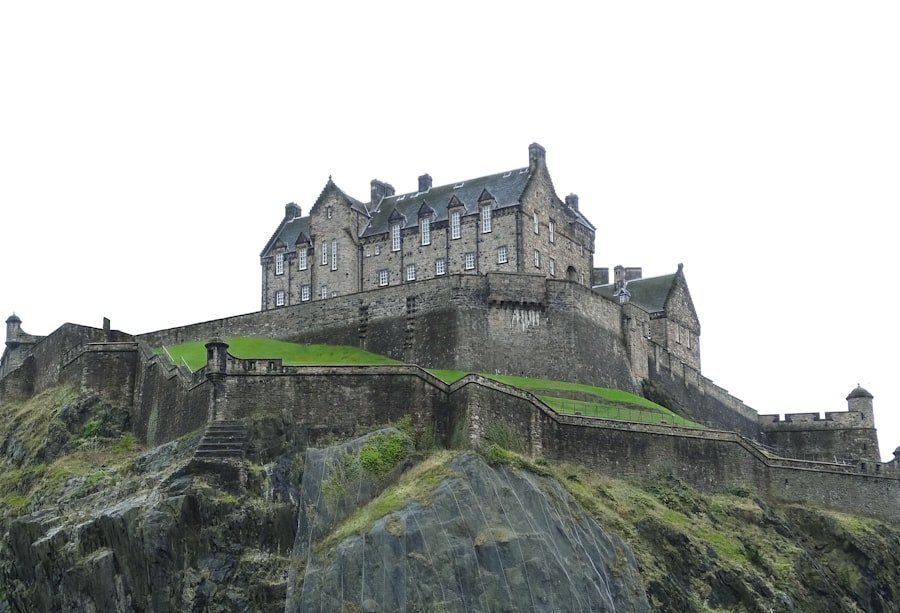
The castles of Edinburgh are steeped in legends and myths that add an enchanting layer to their historical significance. Edinburgh Castle is often associated with ghost stories and tales of hauntings that have captivated visitors for generations. One popular legend involves the ghost of a piper who disappeared while exploring underground tunnels beneath the castle; his spirit is said to still roam these passages today.
Visitors often report eerie sounds echoing through the halls at night, leading many to believe that the castle is haunted by those who once lived there. Craigmillar Castle also has its share of legends tied to Mary, Queen of Scots. One such tale recounts her secret meetings with her lover at this secluded fortress during her troubled reign.
It is said that she would often escape to Craigmillar to seek solace from her political troubles; some even claim her spirit lingers within its walls, watching over her beloved retreat. These stories not only enhance the allure of Craigmillar but also serve as reminders of Scotland’s tumultuous royal history. Lauriston Castle is not without its own myths either; local folklore speaks of hidden treasures buried within its grounds by former owners who sought to protect their wealth from invaders.
This legend has sparked countless treasure hunts over the years as adventurers scour the estate in hopes of uncovering long-lost riches. Such tales contribute to an atmosphere rich in mystery and intrigue that draws visitors eager to uncover secrets hidden within these ancient stones.
Planning Your Visit: Tips and Recommendations
When planning a visit to Edinburgh’s ancient castles, timing can significantly enhance your experience. It’s advisable to visit during weekdays or off-peak seasons to avoid large crowds that can detract from your exploration. Early morning visits often provide a quieter atmosphere where you can fully appreciate each castle’s unique features without feeling rushed.
Additionally, consider purchasing tickets online in advance; this not only saves time but may also offer discounts or special access options. Dress appropriately for your visit; Edinburgh’s weather can be unpredictable even during summer months. Layered clothing is recommended so you can adjust according to changing temperatures throughout your day exploring these historic sites.
Comfortable footwear is essential as you’ll likely be walking on uneven surfaces or climbing stairs within these ancient structures. Guided tours are available at many castles and can provide invaluable insights into their histories that you might miss on your own. Knowledgeable guides often share fascinating anecdotes about each site’s significance while answering any questions you may have along your journey through time.
Preserving and Maintaining Edinburgh’s Ancient Castles
The preservation and maintenance of Edinburgh’s ancient castles are crucial not only for historical integrity but also for future generations to appreciate these cultural treasures. Organizations such as Historic Environment Scotland play an essential role in safeguarding these sites through conservation efforts aimed at protecting their structural integrity while ensuring they remain accessible to visitors. Regular assessments are conducted to identify areas requiring restoration or repair due to weathering or natural deterioration over time.
This includes everything from repairing stonework damaged by erosion to restoring interiors that have suffered from neglect or vandalism over decades past. Community involvement also plays a significant role in preservation efforts; local volunteers often participate in clean-up initiatives or educational programs designed to raise awareness about these historic sites’ importance within Scottish heritage. By fostering a sense of ownership among residents regarding their local history, these initiatives help ensure continued support for ongoing conservation projects aimed at preserving Edinburgh’s ancient castles for years to come.
Through dedicated efforts from both organizations and individuals alike, Edinburgh’s ancient castles will continue standing tall against time—guardians not just of Scotland’s past but also symbols representing resilience amidst change throughout history’s unfolding narrative.
FAQs
What are some famous ancient castles to visit around Edinburgh?
Some of the most famous ancient castles near Edinburgh include Edinburgh Castle, Craigmillar Castle, and Tantallon Castle. Each offers a unique glimpse into Scotland’s medieval history and architecture.
How old are the castles around Edinburgh?
Many castles around Edinburgh date back to the medieval period, with some origins as early as the 12th century. For example, Edinburgh Castle has been a royal residence since at least the 12th century, while Craigmillar Castle was built in the 14th century.
Can visitors tour the inside of these castles?
Yes, many castles around Edinburgh are open to the public and offer guided tours, exhibitions, and interactive displays. Edinburgh Castle, in particular, is a popular tourist attraction with extensive visitor facilities.
Are there any entrance fees for visiting these castles?
Most historic castles around Edinburgh charge an entrance fee, which helps with preservation and maintenance. Prices vary depending on the site and whether you qualify for concessions such as student or senior discounts.
What is the best time of year to visit ancient castles near Edinburgh?
The best time to visit is during the late spring to early autumn months (May to September) when the weather is milder and the castles often have extended opening hours and special events.
Are the castles accessible by public transport from Edinburgh?
Yes, many castles near Edinburgh are accessible by public transport, including buses and trains. For example, Edinburgh Castle is located in the city center, while others like Tantallon Castle can be reached by regional bus services.
Do the castles have facilities for visitors with disabilities?
Many castles around Edinburgh have made efforts to improve accessibility, including ramps and accessible restrooms. However, due to the historic nature of the buildings, some areas may be challenging to access. It is advisable to check with each site before visiting.
Are there any guided tours available for exploring castles around Edinburgh?
Yes, there are numerous guided tours available, ranging from walking tours in Edinburgh city to day trips that include visits to multiple castles in the surrounding region. These tours often provide historical context and interesting stories about the castles.
Can I take photographs inside the castles?
Photography policies vary by castle. Generally, photography is allowed in outdoor areas and some interior spaces, but flash photography and tripods may be restricted. Visitors should check specific rules at each site.
Are there any special events held at the castles near Edinburgh?
Yes, many castles host special events such as medieval reenactments, festivals, concerts, and seasonal celebrations. These events provide a unique way to experience the history and culture of the castles.