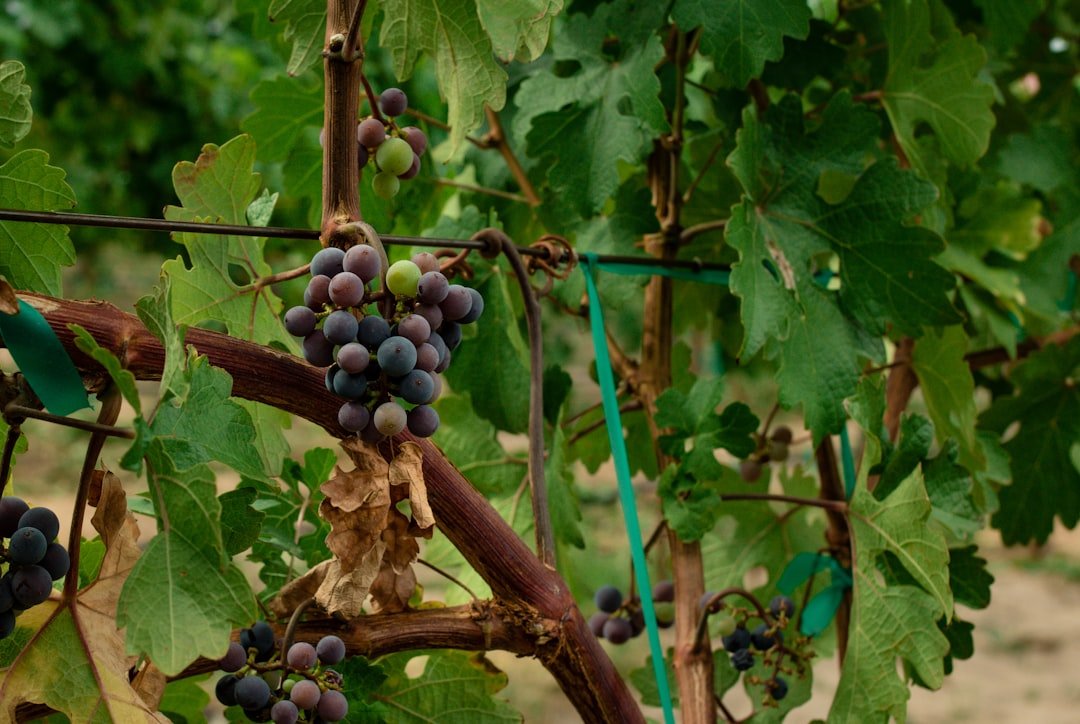
The Fiesta Nacional de la Vendimia, or National Wine Harvest Festival, represents a significant cultural and agricultural celebration in Mendoza’s history. While the first official festival was held in 1936, the tradition of harvest celebrations has deeper roots in the region’s indigenous communities, who observed grape harvest rituals long before European colonization. What began as a localized event centered on regional winemakers has developed into an internationally recognized festival that draws thousands of visitors annually.
The festival’s expansion over the past several decades reflects Mendoza’s growing status as a major wine-producing region. Held annually in March during the grape harvest season, the festival encompasses various activities designed to showcase the region’s viticultural heritage and winemaking traditions. Beyond celebrating the harvest itself, the event serves as a venue for demonstrating the quality and variety of Mendoza wines to a global audience.
The festival has become emblematic of regional identity and pride, highlighting the technical skill and artistic elements fundamental to wine production in the area.
The Best Wineries to Visit During the Festivals
Mendoza is home to numerous wineries, each offering unique experiences that enhance the festival atmosphere. Among the most notable is Bodega Catena Zapata, renowned for its Malbec and innovative winemaking techniques. Visitors can explore the stunning architecture of the winery, which resembles a Mayan pyramid, and participate in guided tastings that delve into the nuances of their award-winning wines.
The winery often hosts special events during the harvest festival, allowing guests to engage with winemakers and learn about the intricacies of grape cultivation and wine production. Another must-visit winery is Bodega Norton, which has a rich history dating back to 1895. This winery offers picturesque views of the Andes Mountains and provides an immersive experience for visitors.
During the festival, Bodega Norton typically organizes exclusive tastings paired with local cuisine, allowing guests to savor the harmonious relationship between food and wine. The winery’s commitment to sustainability and innovation makes it a prime example of Mendoza’s evolving wine industry, and its participation in the festival underscores its dedication to celebrating local traditions.
Traditional Activities and Events at Mendoza’s Wine Harvest Festivals
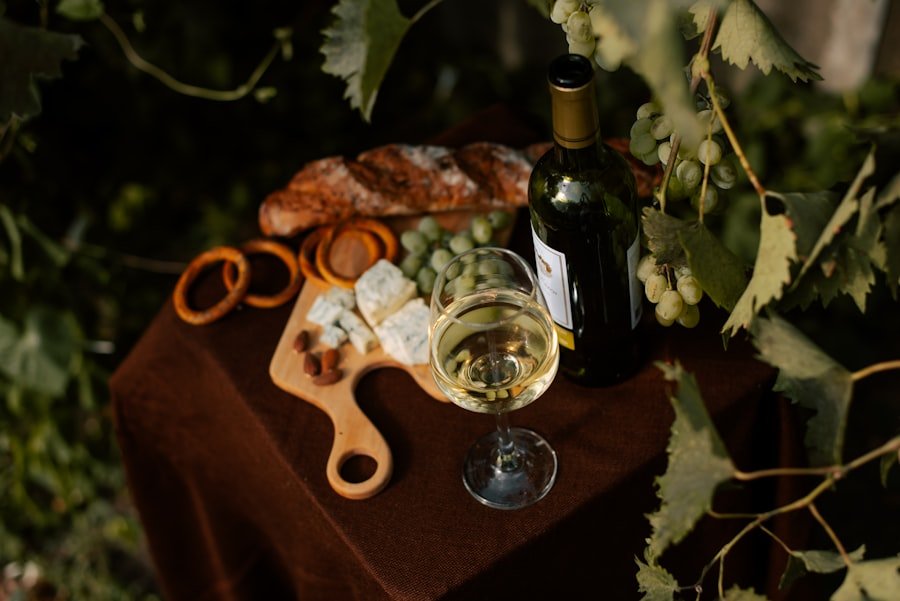
The Wine Harvest Festival is a vibrant tapestry of traditional activities that reflect Mendoza’s cultural heritage. One of the most iconic events is the “Blessing of the Fruits,” where local winemakers gather to offer thanks for a bountiful harvest. This ceremony is steeped in tradition and often features folkloric music and dance performances that celebrate Argentine culture.
The event serves as a reminder of the deep connection between the land and its people, emphasizing the importance of gratitude in winemaking. In addition to religious ceremonies, the festival includes parades showcasing elaborate floats adorned with grapes and flowers. These floats represent different wineries and regions within Mendoza, each vying for recognition and showcasing their unique contributions to Argentine viticulture.
The parades are accompanied by lively music and dance, creating an atmosphere of joy and celebration that captivates both locals and tourists alike. The culmination of these festivities is often marked by a grand gala event where awards are presented to outstanding winemakers, further highlighting the competitive spirit that drives excellence in Mendoza’s wine industry.
The Culinary Delights of Mendoza’s Wine Harvest Festivals
Culinary experiences are an integral part of Mendoza’s Wine Harvest Festivals, offering visitors a chance to indulge in the region’s gastronomic delights. Local chefs showcase their culinary prowess through a variety of food stalls and pop-up restaurants that feature traditional Argentine dishes. Asado, a quintessential Argentine barbecue, is often at the forefront of these culinary offerings, allowing guests to savor perfectly grilled meats paired with exquisite wines from nearby vineyards.
In addition to asado, visitors can sample empanadas, a beloved pastry filled with meat or vegetables, and locro, a hearty stew made with corn, beans, and meat. These dishes not only highlight local ingredients but also reflect the cultural fusion that characterizes Argentine cuisine. Many wineries collaborate with local chefs to create unique wine-pairing menus that elevate the dining experience during the festival.
This culinary synergy enhances visitors’ appreciation for both food and wine, showcasing how they complement each other in Argentine culture.
The Cultural and Artistic Offerings at Mendoza’s Wine Harvest Festivals
| Metric | Details |
|---|---|
| Festival Name | Fiesta Nacional de la Vendimia (National Grape Harvest Festival) |
| Location | Mendoza, Argentina |
| Typical Dates | Late February to early March |
| Duration | Approximately 1 week |
| Number of Attendees | Over 100,000 visitors annually |
| Main Events | Parades, beauty pageants, traditional music and dance, wine tastings, and fireworks |
| Number of Participating Wineries | Over 200 wineries from the Mendoza region |
| Average Temperature | Daytime: 25-30°C (77-86°F), Nighttime: 15-18°C (59-64°F) |
| Popular Wine Varietals Featured | Malbec, Cabernet Sauvignon, Chardonnay, Torrontés |
| Typical Festival Activities | Grape stomping, vineyard tours, traditional food sampling, live performances |
The cultural richness of Mendoza’s Wine Harvest Festivals extends beyond food and wine; it encompasses a wide array of artistic expressions that celebrate Argentine heritage. Throughout the festival, visitors can enjoy live performances by local musicians and dancers who showcase traditional folk music and dance styles such as tango and folklore. These performances not only entertain but also serve as a means of preserving cultural traditions that have been passed down through generations.
Artisan markets are another highlight of the festival, featuring local craftspeople who display their handmade goods. From intricate pottery to beautifully woven textiles, these artisans contribute to the vibrant atmosphere of the festival while promoting local craftsmanship. Many artisans also incorporate themes related to wine and harvest into their work, creating unique pieces that resonate with the festival’s spirit.
This blend of art and culture enriches the overall experience for attendees, allowing them to connect with Mendoza’s artistic community while celebrating its viticultural heritage.
Tips for Planning Your Visit to Mendoza’s Wine Harvest Festivals
Planning a visit to Mendoza’s Wine Harvest Festivals requires some foresight to ensure an enjoyable experience. First and foremost, it’s advisable to book accommodations well in advance, as hotels and guesthouses tend to fill up quickly during this peak season. Consider staying in areas close to major wineries or festival venues to minimize travel time and maximize your experience.
Additionally, familiarize yourself with the festival schedule ahead of time. Events can vary from year to year, so checking official websites or local tourism boards will provide up-to-date information on parades, tastings, and performances. If you’re interested in specific wineries or events, consider making reservations for tastings or tours in advance to secure your spot.
Lastly, be prepared for varying weather conditions; March can bring both warm days and cooler evenings, so dressing in layers will help you stay comfortable throughout your visit.
The Impact of Mendoza’s Wine Harvest Festivals on the Local Economy
The economic impact of Mendoza’s Wine Harvest Festivals is significant, contributing not only to the wine industry but also to various sectors within the local economy. The influx of tourists during this time generates substantial revenue for hotels, restaurants, and transportation services. Local businesses benefit from increased foot traffic as visitors explore shops and markets throughout Mendoza.
Moreover, the festival serves as a platform for promoting Mendoza’s wines on an international stage. By attracting global attention, it helps elevate the reputation of local wineries and encourages exports. This increased visibility can lead to long-term economic benefits as more consumers become aware of Mendoza’s offerings.
Additionally, many wineries use this opportunity to launch new products or limited-edition wines during the festival, further stimulating interest in their brands.
How Mendoza’s Wine Harvest Festivals Celebrate and Preserve Argentinean Wine-Making Traditions
Mendoza’s Wine Harvest Festivals play a crucial role in celebrating and preserving Argentinean winemaking traditions that have evolved over centuries. By honoring both historical practices and contemporary innovations, these festivals create a bridge between past and present for winemakers and enthusiasts alike. The emphasis on traditional grape varieties such as Malbec reflects a commitment to maintaining Argentina’s unique viticultural identity while also embracing modern techniques that enhance quality.
Furthermore, educational components are often integrated into the festival programming, allowing attendees to learn about sustainable practices in viticulture and winemaking. Workshops led by experienced vintners provide insights into everything from grape growing to fermentation processes. This focus on education not only enriches visitors’ understanding but also fosters a sense of responsibility toward preserving these traditions for future generations.
In conclusion, Mendoza’s Wine Harvest Festivals are more than just celebrations; they are vibrant expressions of culture, community, and craftsmanship that highlight Argentina’s rich winemaking heritage while contributing significantly to its economy.
FAQs
What is a wine harvest festival in Mendoza, Argentina?
A wine harvest festival in Mendoza is a celebration marking the grape harvest season, featuring traditional music, dance, food, wine tastings, and cultural events centered around the region’s renowned wine production.
When do wine harvest festivals typically take place in Mendoza?
Wine harvest festivals in Mendoza usually occur between late February and early April, coinciding with the grape harvest season in the Southern Hemisphere.
What activities can visitors expect at a Mendoza wine harvest festival?
Visitors can enjoy vineyard tours, grape stomping, wine tastings, parades, live music, traditional dances, local cuisine, and sometimes fireworks and artisan markets.
Is it necessary to book tickets in advance for these festivals?
While some events are free and open to the public, popular festivals and specific activities like vineyard tours or tastings often require advance booking, especially during peak season.
Are wine harvest festivals in Mendoza family-friendly?
Many festivals offer family-friendly activities, but some events may focus on wine tasting and adult-oriented entertainment. It is advisable to check the specific festival program for details.
What types of wines are featured at Mendoza’s harvest festivals?
Mendoza is famous for Malbec, but festivals also showcase other varietals such as Cabernet Sauvignon, Chardonnay, and Torrontés produced in the region.
How can visitors get to Mendoza for the wine harvest festivals?
Mendoza is accessible by air via Governor Francisco Gabrielli International Airport, as well as by bus and car from other parts of Argentina and neighboring countries.
Are there accommodations available near the festival venues?
Yes, Mendoza offers a wide range of accommodations including hotels, lodges, and boutique wineries, many located close to vineyards and festival sites.
Can non-drinkers participate in the wine harvest festivals?
Absolutely. Non-drinkers can enjoy cultural events, food, music, and the festive atmosphere without participating in wine tastings.
What is the significance of the wine harvest festival to Mendoza’s culture?
The festival celebrates Mendoza’s rich winemaking heritage, supports local producers, promotes tourism, and strengthens community identity through shared traditions and festivities.