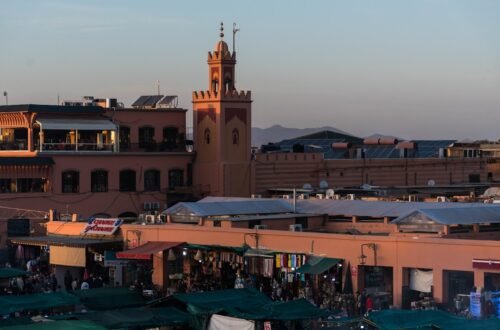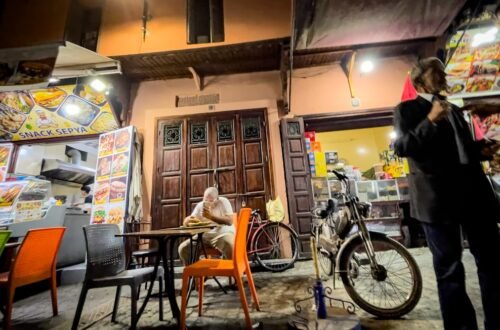
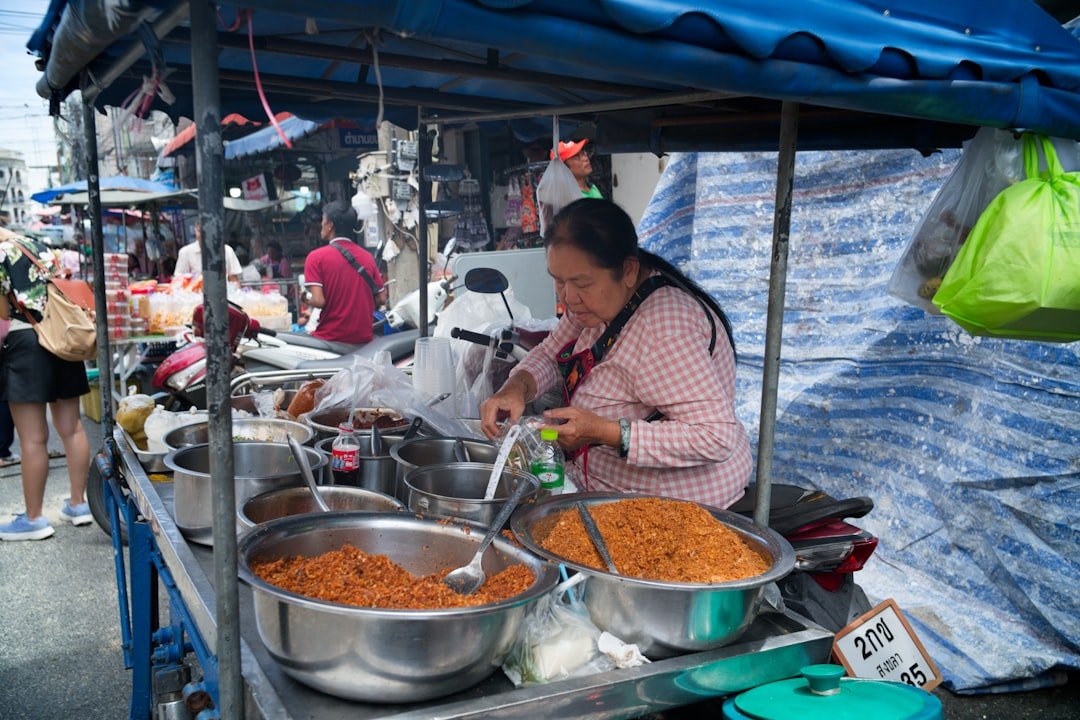
Kuala Lumpur, the capital of Malaysia, features a diverse street food scene that reflects the city’s multicultural population. The street food markets serve as important cultural and social spaces where both residents and visitors can experience authentic Malaysian cuisine. Popular dishes include satay and nasi lemak, representing the variety of culinary traditions found throughout the region.
The street food markets in Kuala Lumpur are characterized by their sensory environment. Vendors actively engage customers, while the combination of cooking aromas, spice scents, and colorful fresh ingredients creates a distinctive atmosphere. These markets function as representations of Malaysian society, demonstrating the country’s multicultural composition through food preparation and consumption.
Street food in these markets represents more than basic nutrition; it reflects community practices, cultural traditions, and culinary development.
The History of Street Food in Kuala Lumpur
The roots of street food in Kuala Lumpur can be traced back to the city’s early days as a tin mining town in the 19th century. As immigrants from various regions, including China, India, and Indonesia, flocked to the area in search of better opportunities, they brought with them their culinary traditions. These early settlers began selling homemade dishes on the streets, catering to the needs of laborers and miners who sought affordable and hearty meals.
This practice laid the foundation for what would eventually evolve into a thriving street food culture. Over the decades, street food in Kuala Lumpur has undergone significant transformations. The post-World War II era saw a surge in urbanization and economic growth, leading to an increase in population density and a greater demand for quick and accessible meals.
Vendors adapted their offerings to cater to changing tastes and preferences, incorporating local ingredients and flavors while retaining their cultural roots. Today, Kuala Lumpur’s street food scene reflects a rich history of culinary exchange and adaptation, with each dish telling a story of its origins and evolution.
Must-Try Dishes at Kuala Lumpur’s Street Food Markets

When exploring Kuala Lumpur’s street food markets, one is greeted with an array of tantalizing dishes that reflect the city’s diverse culinary landscape. Among the must-try items is nasi lemak, often considered Malaysia’s national dish. This fragrant rice dish is cooked in coconut milk and served with sambal (a spicy chili paste), fried crispy anchovies, roasted peanuts, boiled eggs, and cucumber slices.
The combination of flavors and textures makes it a beloved breakfast staple for many locals. Another iconic dish is char kway teow, a stir-fried noodle dish that originated from Chinese cuisine. Made with flat rice noodles, prawns, Chinese sausage, bean sprouts, and chives, it is cooked over high heat in a wok to achieve a smoky flavor known as “wok hei.” The dish is often garnished with chili paste for an extra kick.
For those with a sweet tooth, cendol is a refreshing dessert made from shaved ice topped with green rice flour jelly, coconut milk, and palm sugar syrup. This delightful treat is perfect for cooling down on a hot day while exploring the bustling markets.
The Best Street Food Markets in Kuala Lumpur
Kuala Lumpur boasts several renowned street food markets that cater to both locals and tourists seeking authentic culinary experiences. One of the most famous is Jalan Alor, located in the heart of Bukit Bintang. This vibrant street comes alive at night with an array of food stalls offering everything from grilled seafood to skewered meats.
The atmosphere is electric, with diners enjoying their meals at makeshift tables while street performers entertain passersby. Another popular destination is Petaling Street in Chinatown, known for its bustling market atmosphere and diverse food offerings. Here, visitors can sample dishes such as wantan mee (noodles served with dumplings) and roti john (a Malaysian-style omelet sandwich).
The market is also famous for its vibrant night market, where vendors sell everything from clothing to souvenirs alongside mouthwatering street food. For those seeking a more local experience, Taman Connaught Night Market is a must-visit. This sprawling market features over 700 stalls offering a wide variety of dishes from different regions of Malaysia.
From traditional Malay delicacies to Chinese snacks and Indian sweets, Taman Connaught provides an opportunity to explore the country’s culinary diversity all in one place.
Tips for Navigating Kuala Lumpur’s Street Food Markets
| Street Food Market | Location | Popular Dishes | Operating Hours | Average Price per Dish | Visitor Rating (out of 5) |
|---|---|---|---|---|---|
| Jalan Alor | Bukit Bintang | Satay, Char Kway Teow, Hokkien Mee | 6 PM – 12 AM | 5 – 10 | 4.5 |
| Petaling Street (Chinatown) | Chinatown | Hainanese Chicken Rice, Curry Laksa, Rojak | 10 AM – 10 PM | 4 – 8 | 4.3 |
| Taman Connaught Night Market | Cheras | Grilled Seafood, Bubble Tea, Fried Snacks | 5 PM – 12 AM (Wednesdays only) | 3 – 9 | 4.4 |
| SS2 Night Market | Petaling Jaya | Roti Canai, Satay, Fried Chicken | 5 PM – 11 PM (Wednesdays only) | 3 – 7 | 4.2 |
| Kasturi Walk | Central Market | Apam Balik, Nasi Lemak, Kuih | 10 AM – 10 PM | 4 – 9 | 4.1 |
Navigating Kuala Lumpur’s street food markets can be an exhilarating yet overwhelming experience for first-time visitors. To make the most of your culinary adventure, it’s essential to approach these markets with an open mind and a sense of curiosity. One practical tip is to go during peak hours when the stalls are bustling with activity; this often indicates that the food is fresh and popular among locals.
Another important aspect is to observe where the locals are eating. Stalls with long queues typically signify quality and authenticity. Don’t hesitate to ask vendors about their specialties or recommendations; they are often eager to share their knowledge and passion for their dishes.
Additionally, carrying cash is advisable since many vendors may not accept credit cards. Small denominations are particularly useful for making quick purchases without hassle.
The Cultural Significance of Street Food in Kuala Lumpur
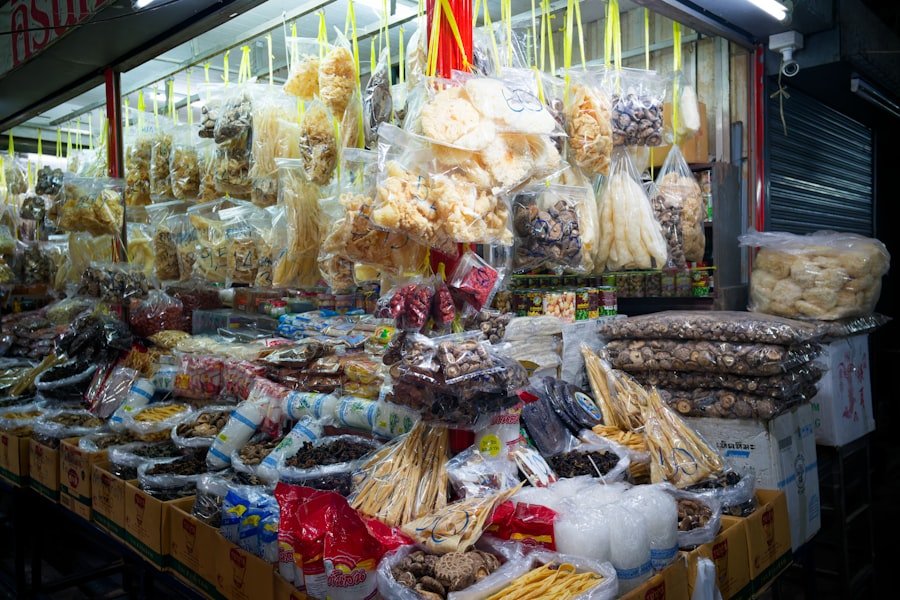
Street food in Kuala Lumpur serves as a vital expression of the city’s cultural identity. It reflects the harmonious coexistence of various ethnic groups—Malays, Chinese, Indians, and others—each contributing their unique flavors and cooking techniques to the culinary landscape. This fusion of cultures is evident in dishes that blend ingredients and methods from different traditions, creating something distinctly Malaysian.
Moreover, street food markets act as social equalizers where people from all walks of life come together over shared meals. They foster community interactions and provide a space for cultural exchange. Festivals celebrating local cuisine often take place in these markets, further emphasizing their role as cultural hubs.
Through food, stories are shared, traditions are passed down, and connections are forged among individuals who might otherwise never meet.
Street Food Market Etiquette in Kuala Lumpur
Understanding street food market etiquette can enhance your experience while dining in Kuala Lumpur’s vibrant markets. One key aspect is to be respectful towards vendors and fellow diners alike. When ordering food, it’s customary to greet vendors politely and express gratitude after receiving your meal.
This simple act fosters goodwill and creates a positive atmosphere. Another important etiquette tip is to be mindful of cleanliness. While street food is generally safe to eat, it’s wise to observe hygiene practices at stalls before making a purchase.
Look for vendors who maintain clean cooking areas and use fresh ingredients. Additionally, when dining at communal tables or benches, be considerate by cleaning up after yourself and leaving your space tidy for others.
The Future of Street Food in Kuala Lumpur
As Kuala Lumpur continues to evolve as a global city, its street food scene faces both challenges and opportunities for growth. The rise of modern dining concepts and food delivery services has introduced new competition for traditional street vendors. However, this shift also presents an opportunity for innovation within the street food sector.
Many vendors are adapting by incorporating contemporary cooking techniques or fusion flavors while maintaining their cultural roots. Furthermore, there is a growing awareness among locals and tourists about the importance of preserving traditional culinary practices. Initiatives aimed at promoting local street food culture are gaining traction, with events celebrating heritage dishes and encouraging younger generations to engage with their culinary heritage.
As sustainability becomes increasingly important globally, many vendors are also exploring eco-friendly practices by reducing plastic waste and sourcing ingredients locally. In conclusion, while challenges exist on the horizon for Kuala Lumpur’s street food markets, there remains an undeniable passion for preserving this integral part of the city’s identity. As long as there are stories to tell through food and flavors to share among communities, the future of street food in Kuala Lumpur looks promising.
FAQs
What are the best street food markets to visit in Kuala Lumpur?
Some of the most popular street food markets in Kuala Lumpur include Jalan Alor, Petaling Street (Chinatown), Taman Connaught Night Market, and Kampung Baru Night Market. Each offers a unique variety of local Malaysian dishes and snacks.
What types of food can I expect to find at Kuala Lumpur street food markets?
You can find a wide range of Malaysian street foods such as satay (grilled meat skewers), nasi lemak (coconut milk rice), char kway teow (stir-fried noodles), roti canai (flatbread), laksa (spicy noodle soup), and various local desserts and fresh fruit juices.
Are street food markets in Kuala Lumpur safe to eat at?
Yes, street food markets in Kuala Lumpur are generally safe to eat at. Vendors often follow hygiene practices, but it is advisable to choose stalls that are busy and have a high turnover of food to ensure freshness.
When are the street food markets in Kuala Lumpur open?
Most street food markets in Kuala Lumpur operate in the evenings, typically from around 6 PM to 11 PM. Some markets, like Taman Connaught Night Market, are open only on specific days of the week.
Is it easy to get to Kuala Lumpur street food markets using public transport?
Yes, many street food markets in Kuala Lumpur are accessible by public transport such as the LRT (Light Rail Transit), MRT (Mass Rapid Transit), and buses. For example, Jalan Alor is within walking distance from Bukit Bintang MRT station.
Can I find vegetarian or halal options at Kuala Lumpur street food markets?
Yes, many street food vendors offer vegetarian and halal options. Malaysia has a significant Muslim population, so halal food is widely available. It is always good to ask vendors about ingredients if you have dietary restrictions.
What is the best time to visit street food markets in Kuala Lumpur to avoid crowds?
Visiting street food markets on weekdays or earlier in the evening can help avoid the busiest times. Weekends and public holidays tend to be more crowded as both locals and tourists visit these markets.
Are prices at Kuala Lumpur street food markets affordable?
Yes, street food in Kuala Lumpur is generally very affordable, making it a popular choice for both locals and tourists. Prices vary depending on the dish and location but are typically lower than restaurant prices.