
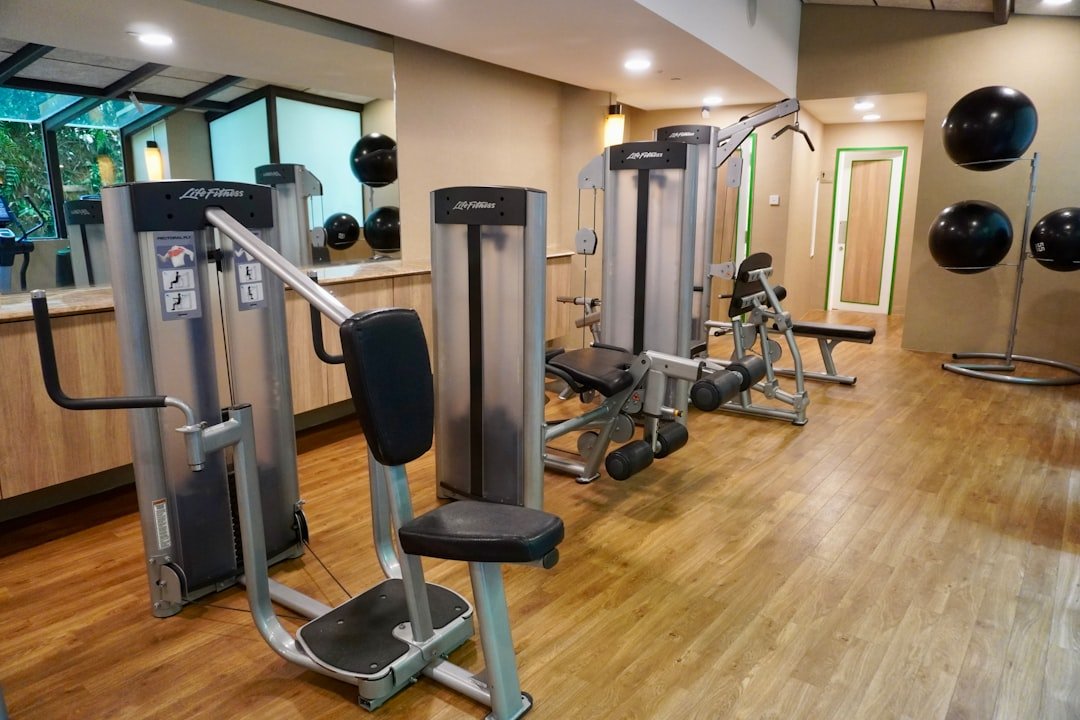
Establishing a home gym provides numerous practical advantages suited to different lifestyles and fitness objectives. The most notable benefit is convenience. A home gym eliminates time constraints and travel requirements, allowing individuals to exercise according to their own schedule—whether early morning or late evening.
This accessibility promotes consistent workout routines without commute times or gym operating hour restrictions. Additionally, exercising in a private environment reduces the discomfort some people experience in crowded facilities, enabling more focused and productive sessions. A home gym can also be customized to match personal preferences and specific fitness goals.
Unlike commercial gyms with standardized equipment and layouts, a home gym can be equipped with tools suited to individual interests, such as weightlifting, yoga, or high-intensity interval training (HIIT). This customization increases motivation and creates a sense of personal investment in fitness progress. From a financial perspective, a home gym offers long-term cost savings.
Although initial equipment purchases require upfront investment, the elimination of monthly gym memberships, transportation costs, and personal training fees results in substantial savings over time, making a home gym an economically efficient option.
Choosing the Right Equipment for Your Space
Selecting the appropriate equipment for a home gym is crucial for maximizing both functionality and enjoyment. The first step in this process is assessing the available space. Whether it’s a spare room, garage, or even a corner of the living room, understanding the dimensions and layout will help determine what equipment can realistically fit.
For smaller spaces, opting for multi-functional equipment can be particularly beneficial. For instance, a power rack can serve multiple purposes, allowing for squats, bench presses, and pull-ups all in one compact unit. Additionally, resistance bands and adjustable dumbbells are excellent choices for those with limited space, as they provide versatility without taking up much room.
Another important consideration is the type of workouts you plan to engage in regularly. If strength training is your primary focus, investing in free weights and a sturdy bench may be essential. Conversely, if cardiovascular fitness is your goal, consider equipment like a stationary bike or jump rope.
It’s also wise to think about the long-term usability of the equipment; items that can grow with your fitness level or adapt to different workout styles will provide greater value over time. Researching various brands and reading reviews can help ensure that the equipment chosen is durable and effective.
Maximizing Your Workouts with Minimal Equipment
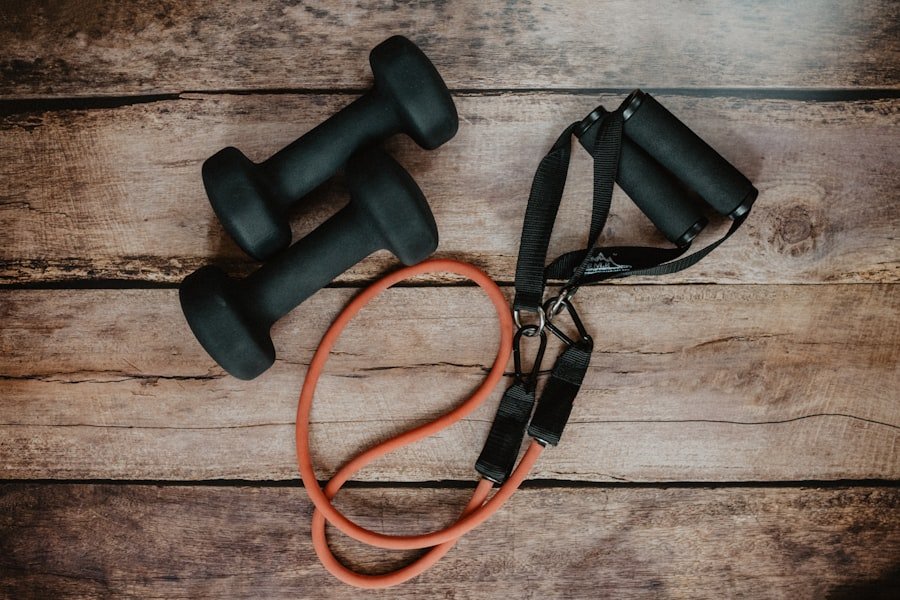
Even with limited equipment, it is entirely possible to achieve an effective workout regimen that promotes strength, endurance, and flexibility. Bodyweight exercises are an excellent starting point for those who may not have access to extensive gear. Movements such as push-ups, squats, lunges, and planks can be performed anywhere and can be modified to increase or decrease difficulty based on individual fitness levels.
Incorporating these exercises into a circuit format can elevate heart rates and provide a comprehensive workout without the need for weights. In addition to bodyweight exercises, incorporating items like resistance bands or kettlebells can significantly enhance workout variety and intensity. Resistance bands are particularly versatile; they can be used for strength training exercises targeting various muscle groups while also providing an element of instability that engages core muscles.
Kettlebells offer dynamic movement options that combine strength training with cardiovascular benefits through exercises like swings and snatches. By creatively utilizing minimal equipment and focusing on compound movements that engage multiple muscle groups simultaneously, individuals can maximize their workouts effectively.
Building a Budget-Friendly Home Gym
Creating a home gym on a budget is entirely feasible with careful planning and resourcefulness. One of the first steps is to prioritize essential equipment based on personal fitness goals and available space. Instead of purchasing every piece of equipment at once, consider starting with foundational items such as dumbbells or resistance bands and gradually expanding as finances allow.
Many individuals find success by focusing on versatile pieces that can be used for various exercises rather than investing in specialized machines that may only serve one purpose. Additionally, exploring second-hand options can lead to significant savings. Websites like Craigslist or Facebook Marketplace often have listings for gently used fitness equipment at reduced prices.
Local gyms may also sell off older equipment when upgrading their facilities. Another cost-effective strategy is to utilize DIY solutions; for example, creating your own weights using filled water bottles or sandbags can provide an inexpensive alternative to traditional weights. By being resourceful and patient, anyone can build an effective home gym without breaking the bank.
Tips for Creating a Functional and Effective Workout Space
| Equipment | Purpose | Space Required (sq ft) | Cost Range | Key Benefits |
|---|---|---|---|---|
| Resistance Bands | Strength training, flexibility | 2 | 10 – 30 | Portable, versatile, low impact |
| Adjustable Dumbbells | Weight training | 4 | 50 – 150 | Space-saving, adjustable weight |
| Yoga Mat | Floor exercises, stretching | 6 | 15 – 40 | Comfort, non-slip surface |
| Pull-up Bar | Upper body strength | Minimal (door frame) | 20 – 50 | Bodyweight training, easy installation |
| Jump Rope | Cardio, coordination | Minimal | 5 – 20 | Portable, effective cardio |
| Stability Ball | Core strength, balance | 12 | 20 – 40 | Improves posture, versatile |
Designing a functional workout space requires thoughtful consideration of both layout and ambiance. First and foremost, ensure that the area is well-ventilated and adequately lit; natural light can enhance mood and motivation during workouts. If possible, position mirrors strategically to allow for self-assessment of form during exercises.
This not only aids in maintaining proper technique but also creates an illusion of more space in smaller areas. Organization plays a vital role in maintaining an effective workout environment. Designate specific areas for different types of workouts—such as cardio, strength training, and stretching—to create a seamless flow during exercise sessions.
Utilizing storage solutions like shelves or bins can help keep equipment tidy and easily accessible. Additionally, consider incorporating motivational elements such as posters or quotes that inspire you to stay committed to your fitness journey. A well-organized and aesthetically pleasing space can significantly enhance the overall workout experience.
Incorporating Strength Training, Cardio, and Flexibility into Your Home Gym

A well-rounded fitness routine should encompass strength training, cardiovascular exercise, and flexibility work to promote overall health and wellness. Strength training is essential for building muscle mass and increasing metabolism; incorporating exercises like deadlifts, bench presses, and rows using free weights or resistance bands can effectively target major muscle groups. For those who prefer bodyweight exercises, variations such as push-up progressions or squat jumps can also yield impressive results.
Cardiovascular fitness is equally important for heart health and endurance. Activities such as jumping rope, high-intensity interval training (HIIT), or even dance-based workouts can elevate heart rates while providing an enjoyable way to break a sweat. Flexibility training should not be overlooked; incorporating yoga or dedicated stretching sessions into your routine can improve mobility and reduce the risk of injury.
By balancing these three components—strength training, cardio, and flexibility—individuals can create a comprehensive workout plan that addresses all aspects of physical fitness.
Creating a Routine and Staying Motivated in Your Home Gym
Establishing a consistent workout routine is key to achieving fitness goals while maintaining motivation over time. One effective strategy is to schedule workouts just as you would any other important appointment; setting aside specific days and times dedicated to exercise helps create accountability. Additionally, varying workout types throughout the week can prevent boredom and keep enthusiasm high—consider alternating between strength training days, cardio sessions, and flexibility-focused workouts.
Staying motivated in a home gym setting often requires creativity and self-discipline. Setting achievable short-term goals can provide tangible milestones to work towards while celebrating progress along the way fosters a sense of accomplishment. Engaging with online fitness communities or social media platforms dedicated to home workouts can also offer support and inspiration from others on similar journeys.
Sharing achievements or challenges with friends or family members can create an additional layer of accountability while making the process more enjoyable.
Additional Resources and Support for Home Gym Enthusiasts
For those embarking on their home gym journey, numerous resources are available to provide guidance and support. Online platforms such as YouTube offer countless workout videos ranging from beginner-friendly routines to advanced training sessions led by experienced instructors. Fitness apps also provide structured programs tailored to various goals—many include features like progress tracking and community forums for additional motivation.
Books focused on home workouts or specific training methodologies can serve as valuable references for individuals looking to deepen their understanding of fitness principles. Additionally, local community centers or fitness studios may offer virtual classes that allow participants to engage with instructors in real-time from the comfort of their homes. By leveraging these resources and connecting with fellow fitness enthusiasts, individuals can cultivate an enriching home gym experience that supports their health and wellness aspirations.
FAQs
What are the essential pieces of equipment for a minimal home gym?
Essential equipment for a minimal home gym typically includes a set of adjustable dumbbells, a resistance band, a yoga mat, and a stability ball. These items allow for a wide range of exercises targeting different muscle groups.
How much space is needed to set up a home gym with minimal equipment?
A small area of about 25 to 50 square feet is usually sufficient to set up a minimal home gym. This space should allow for comfortable movement and exercise without obstruction.
Can I get a full-body workout with minimal equipment?
Yes, a full-body workout is possible with minimal equipment by incorporating bodyweight exercises, resistance bands, and adjustable weights. Exercises like squats, lunges, push-ups, and resistance band rows can effectively target all major muscle groups.
Is it necessary to invest in expensive equipment for a home gym?
No, it is not necessary to invest in expensive equipment. Many effective workouts can be performed using affordable and versatile items such as resistance bands, dumbbells, and bodyweight exercises.
How can I stay motivated to work out at home with minimal equipment?
Staying motivated can be achieved by setting clear fitness goals, creating a consistent workout schedule, tracking progress, and varying exercises to keep routines interesting. Additionally, using online workout videos or apps can provide guidance and motivation.
Are resistance bands effective for strength training?
Yes, resistance bands are effective for strength training. They provide variable resistance throughout the movement, help improve muscle strength, flexibility, and can be used for rehabilitation exercises.
What safety precautions should I take when exercising at home?
Ensure the workout area is free of obstacles, use equipment properly, warm up before exercising, and cool down afterward. It is also important to listen to your body and avoid overexertion to prevent injuries.
Can I combine cardio and strength training in a minimal home gym setup?
Yes, combining cardio and strength training is possible with minimal equipment. Bodyweight exercises like jumping jacks, burpees, and high knees can provide cardio, while dumbbells and resistance bands can be used for strength training.
How often should I work out in a home gym with minimal equipment?
It is generally recommended to engage in physical activity at least 3 to 5 times per week, including both strength training and cardiovascular exercises, depending on individual fitness goals and levels.
Is it necessary to have a workout plan when using minimal equipment at home?
Having a workout plan is beneficial as it helps structure workouts, ensures balanced training, tracks progress, and maintains motivation. Plans can be customized based on available equipment and fitness goals.