Emotional attachment to objects is a psychological phenomenon that connects our memories, experiences, and sense of identity. Sentimental items function as physical reminders of important life events, triggering feelings of nostalgia and comfort. A childhood toy, for example, may evoke memories of playing with friends, while inherited jewelry can represent family connections and cultural heritage.
These objects can express emotions that are difficult to put into words, making them important to how we understand ourselves and our lives. Neuroscientifically, this attachment occurs because specific objects can activate memory recall in the brain, allowing us to vividly remember particular moments and locations. The emotional significance of these items can make decluttering challenging.
When deciding whether to keep or remove a sentimental object, people frequently experience guilt or a sense of loss. The concern about losing part of one’s personal history can be substantial, resulting in keeping items beyond their practical usefulness. This attachment may be reinforced by cultural messages that link material possessions to personal worth.
For those seeking to organize their living spaces while respecting their history, understanding this emotional connection is important. Recognizing that memories and experiences—rather than the physical objects themselves—hold genuine value can help individuals make thoughtful decisions about what to keep and what to release.
Assessing the Value of Sentimental Items
When it comes to sentimental items, assessing their value requires a nuanced approach that goes beyond mere monetary worth. Each item carries its own story, and understanding that narrative is essential in determining whether it deserves a place in one’s life. For example, a handmade gift from a loved one may not have any financial value, but its emotional significance can far outweigh that of an expensive piece of art.
This subjective valuation process involves reflecting on the memories tied to each item and considering how they contribute to one’s current life. Questions such as “Does this item bring me joy?” or “What memories does it evoke?” can guide individuals in making informed decisions about what to keep. Additionally, it is important to consider the practicality of keeping certain items.
While some objects may hold deep sentimental value, they may also take up valuable space or require maintenance that is no longer feasible. For instance, an old piano might remind someone of their childhood music lessons, but if it has fallen into disrepair and is no longer played, it may be time to reassess its place in their home. By weighing both emotional and practical considerations, individuals can create a more balanced perspective on their possessions, allowing them to make choices that honor their past while also accommodating their present needs.
Sorting and Categorizing
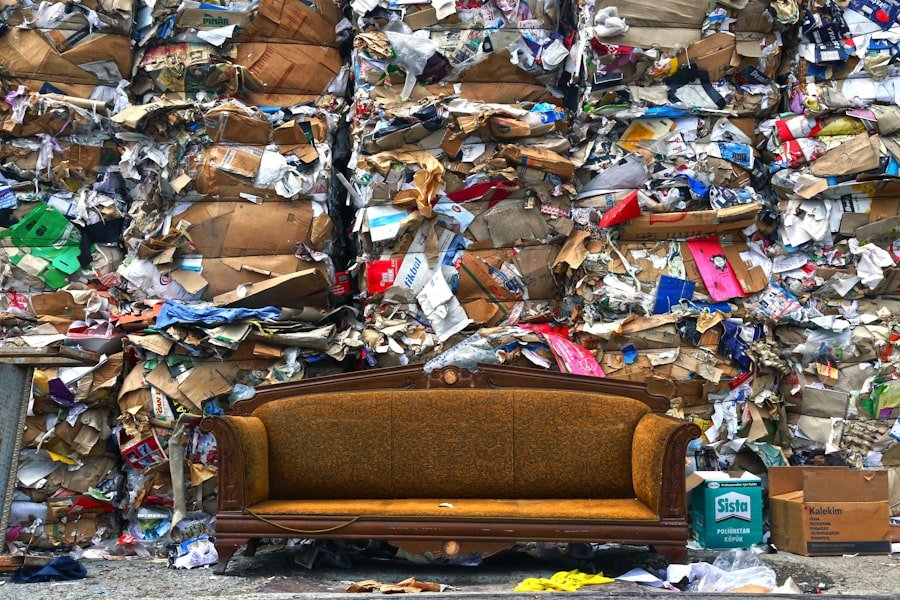
The process of sorting and categorizing sentimental items can be both cathartic and challenging. It often begins with gathering all items from various locations within the home—boxes in the attic, drawers filled with keepsakes, or even items tucked away in closets. Once everything is in one place, individuals can begin to categorize these items based on themes or significance.
For example, one might create categories such as “family heirlooms,” “travel souvenirs,” or “childhood memorabilia.” This method not only helps in organizing the items but also allows for a clearer understanding of what truly matters. As individuals sort through their belongings, they may encounter unexpected emotions. Some items may evoke joy and laughter, while others could bring sadness or regret.
It is essential to approach this process with an open heart and mind, allowing oneself to feel these emotions without judgment. This emotional journey can lead to deeper insights about personal values and priorities. For instance, someone might realize that they have been holding onto items out of obligation rather than genuine affection.
By categorizing and reflecting on these possessions, individuals can gain clarity on what they wish to keep and what they are ready to let go.
Setting Boundaries and Limits
Establishing boundaries and limits is a crucial step in the decluttering process, particularly when dealing with sentimental items. One effective strategy is to set a specific number of items to keep within each category established during sorting. For example, if someone has a collection of travel souvenirs, they might decide to keep only five meaningful pieces that best represent their experiences.
This approach encourages individuals to be selective and intentional about what they choose to retain, ultimately leading to a more curated collection of memories. Another important aspect of setting boundaries involves recognizing the physical space available for storage and display. It is essential to consider how much room one has for sentimental items without creating clutter.
This might mean designating a specific shelf or box for keepsakes or even creating a memory wall where select items can be displayed prominently. By establishing these physical limits, individuals can create a more organized environment that honors their memories without overwhelming their living space.
Finding Alternative Ways to Preserve Memories
| Method | Description | Estimated Time to Implement | Effectiveness | Emotional Impact |
|---|---|---|---|---|
| Digitize Items | Scan or photograph sentimental items to keep digital copies. | 1-3 hours per batch | High | Low to Medium |
| Create a Memory Box | Designate a small box for the most meaningful items only. | 30 minutes to 1 hour | Medium | High |
| Repurpose Items | Transform sentimental items into functional or decorative objects. | Varies (1-5 hours) | Medium | High |
| Rotate Displays | Display a few items at a time and store the rest. | 15-30 minutes per rotation | Medium | Medium |
| Set Limits | Limit the number of sentimental items kept to a manageable amount. | 15-30 minutes | High | Medium to High |
| Share with Family | Give some items to family members who value them. | Varies | Medium | High |
In an age where digital technology permeates every aspect of life, finding alternative ways to preserve memories has never been easier. One popular method is digitizing photographs and documents related to sentimental items. Scanning old family photos or creating digital albums allows individuals to keep cherished memories alive without needing physical storage space.
Additionally, many apps and online services offer options for creating digital scrapbooks or memory books that can be shared with family members. Another innovative approach involves repurposing sentimental items into new forms that can be enjoyed daily. For instance, fabric from an old quilt could be transformed into a decorative pillow or wall hanging, allowing the memories associated with the quilt to live on in a functional way.
Similarly, turning old letters or postcards into framed art pieces can create a beautiful display while preserving the essence of those memories. These alternative methods not only help reduce clutter but also breathe new life into cherished objects.
Letting Go: Tips for Decluttering Sentimental Items
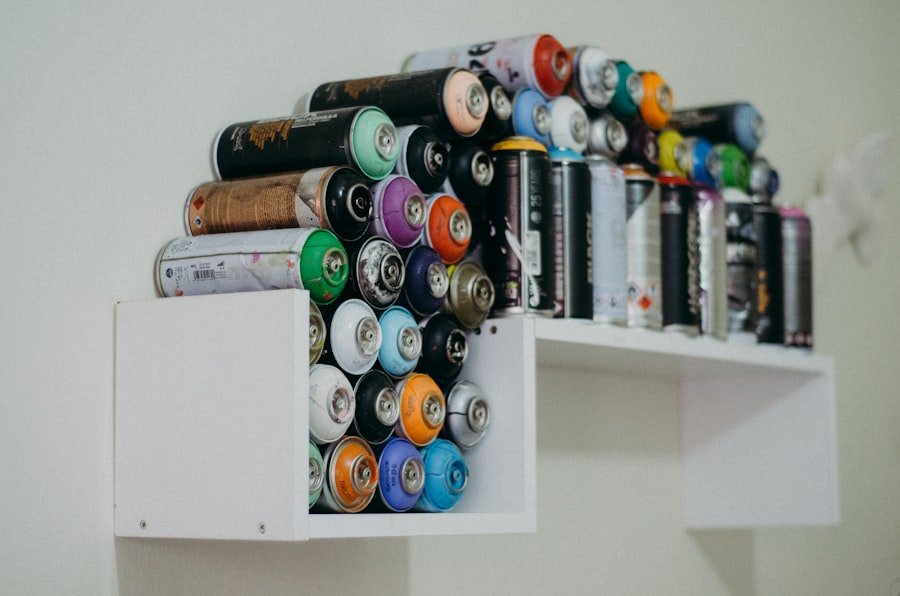
Letting go of sentimental items can be one of the most challenging aspects of decluttering. To ease this process, individuals can employ several strategies designed to facilitate decision-making while minimizing emotional distress. One effective technique is the “one-year rule,” which suggests that if an item hasn’t been used or appreciated in the past year, it may be time to consider parting with it.
This rule encourages individuals to evaluate their relationship with each item critically and helps prevent unnecessary hoarding. Another helpful tip is to create a “maybe” box for items that evoke uncertainty. By placing these items in a designated box for a set period—such as six months—individuals can revisit them later with fresh eyes.
If they find themselves still attached after this time, they may choose to keep them; if not, it becomes easier to let go without regret. Additionally, involving friends or family members in the decluttering process can provide valuable support and perspective. They may offer insights about the significance of certain items or help reinforce the idea that memories do not reside solely in physical objects.
Organizing and Displaying What Remains
Once the decluttering process is complete, organizing and displaying the remaining sentimental items becomes essential for maintaining a clutter-free space while honoring cherished memories. Thoughtful organization not only enhances aesthetics but also ensures that these items are easily accessible for reflection and enjoyment. One effective method is using clear storage bins labeled by category, allowing individuals to quickly locate specific items when desired.
For those who wish to display their sentimental treasures prominently, creating dedicated spaces within the home can be particularly rewarding. A shadow box can serve as an excellent way to showcase small mementos like ticket stubs or trinkets from travels, while framed photographs can adorn walls as visual reminders of cherished moments. Additionally, rotating displayed items periodically can keep the space feeling fresh while allowing different memories to take center stage over time.
Maintaining a Clutter-Free Space
Maintaining a clutter-free space after decluttering sentimental items requires ongoing commitment and mindfulness regarding new acquisitions. One effective strategy is adopting a “one-in-one-out” policy: for every new item brought into the home, an existing item must be removed. This practice encourages individuals to remain conscious of their possessions and prevents unnecessary accumulation over time.
Regularly revisiting sentimental items is also beneficial for maintaining clarity about what truly matters. Setting aside time each year for reflection allows individuals to assess their collections and make adjustments as needed. This practice not only reinforces emotional connections but also ensures that living spaces remain organized and free from clutter.
By fostering an environment that honors memories while prioritizing functionality, individuals can create a harmonious balance between sentimentality and practicality in their homes.
FAQs
What are some effective ways to reduce clutter without discarding sentimental items?
Some effective methods include organizing items into categorized storage, digitizing sentimental documents or photos, repurposing items creatively, and setting limits on how many sentimental items you keep.
How can I decide which sentimental items to keep?
Consider the emotional value, frequency of use or display, and the space available. Prioritize items that hold the most meaningful memories or represent significant moments in your life.
Is it helpful to digitize sentimental items?
Yes, digitizing photos, letters, and documents can preserve memories while reducing physical clutter. Digital copies can be stored safely and shared easily without taking up physical space.
What storage solutions work best for sentimental items?
Use clear, labeled containers, archival-quality boxes, or decorative storage that fits your space. Keeping items organized and accessible helps maintain order and protects them from damage.
Can repurposing sentimental items help reduce clutter?
Absolutely. Turning sentimental items into functional or decorative pieces, like framing old letters or creating a memory quilt, allows you to enjoy them without keeping them in storage.
How often should I review my collection of sentimental items?
Regularly reviewing your items, such as once or twice a year, helps you reassess their importance and decide if you still want to keep them, preventing unnecessary accumulation.
Is it okay to give away sentimental items?
Yes, passing on sentimental items to family members or friends who value them can be a meaningful way to preserve memories while reducing your own clutter.
What mindset helps in reducing clutter without feeling guilty about sentimental items?
Focusing on preserving memories rather than physical objects, and understanding that letting go of items doesn’t mean losing the memories, can help reduce guilt and make decluttering easier.