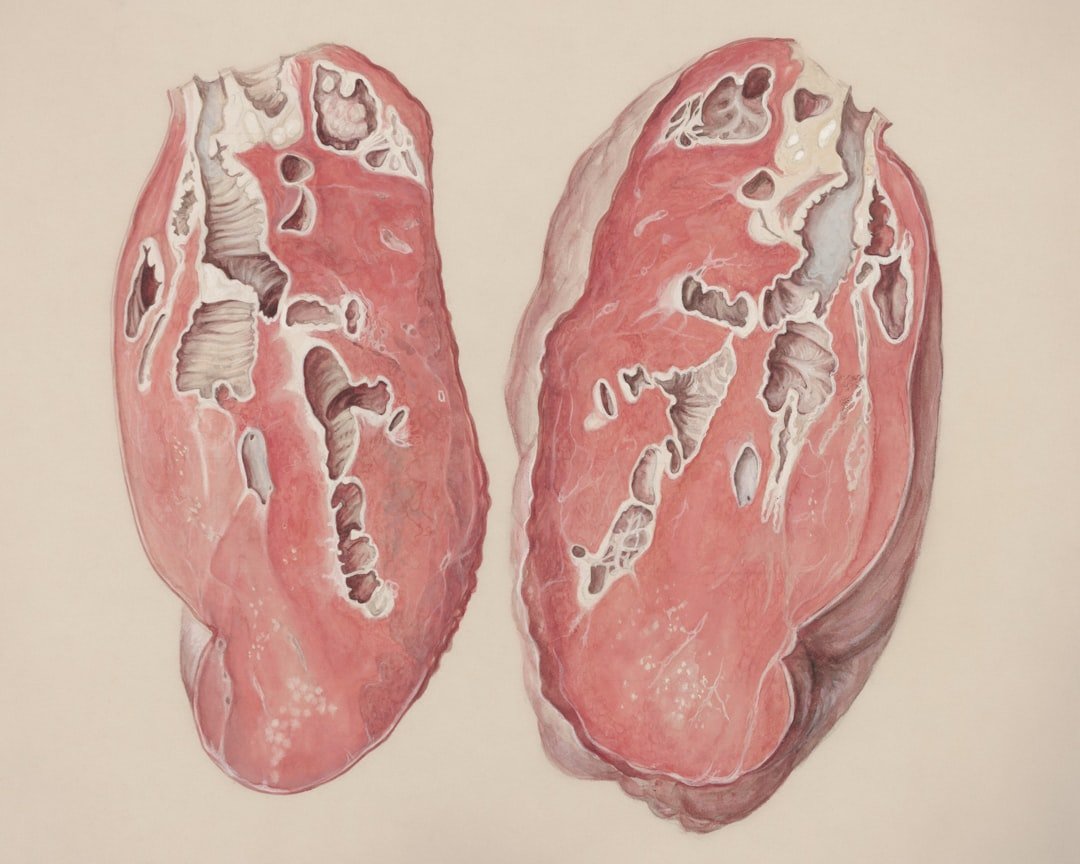
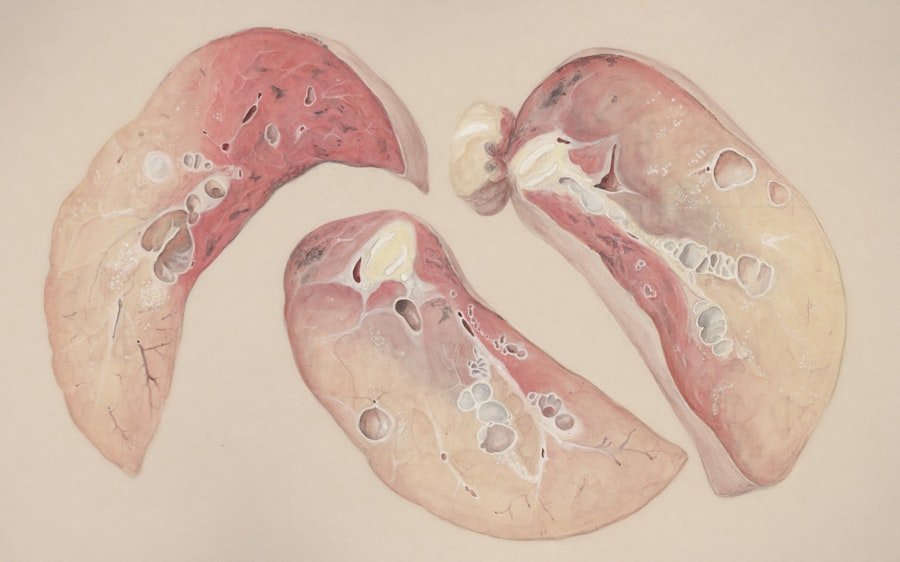
The liver is one of the most vital organs in the human body, performing essential metabolic functions. It filters the bloodstream, processes nutrients from food, and neutralizes harmful substances. The liver breaks down toxins, produces bile for fat digestion, and maintains blood glucose levels.
Due to its complex functions, liver health is critical for overall wellness. Liver dysfunction can result in serious conditions such as fatty liver disease, hepatitis, and cirrhosis. Understanding liver function and detoxification is important for maintaining good health.
Detoxification refers to the liver’s process of removing toxins and metabolic waste from the blood. This process can be impaired by factors including inadequate nutrition, environmental toxins, and unhealthy lifestyle habits. When the liver is overloaded with toxins, its efficiency decreases, potentially causing fatigue, digestive problems, and skin conditions.
Supporting liver function through healthy practices can help maintain optimal performance, increase energy levels, and support digestive health. By maintaining liver health, individuals can improve their overall physical function and lower their risk of developing chronic diseases.
Incorporating Liver-Friendly Foods into Your Diet
A diet rich in liver-friendly foods can significantly enhance the organ’s ability to detoxify effectively. Foods that are high in antioxidants, vitamins, and minerals can support liver function and promote its natural detoxification processes. Leafy greens such as spinach and kale are excellent choices; they are packed with chlorophyll, which helps to neutralize toxins and support liver health.
Cruciferous vegetables like broccoli and Brussels sprouts contain compounds that stimulate the production of detoxifying enzymes in the liver, making them essential for anyone looking to support their liver. In addition to vegetables, fruits such as berries, citrus fruits, and apples are also beneficial for liver health. Berries are rich in antioxidants that combat oxidative stress, while citrus fruits like lemons and grapefruits contain high levels of vitamin C and flavonoids that aid in detoxification.
Incorporating healthy fats from sources like avocados and nuts can also support liver function by providing essential fatty acids that help reduce inflammation. Whole grains such as quinoa and brown rice provide fiber that aids digestion and helps eliminate toxins from the body. By focusing on a diverse array of nutrient-dense foods, individuals can create a diet that not only supports liver health but also enhances overall well-being.
Hydrating for Liver Health
Hydration plays a pivotal role in maintaining optimal liver function. Water is essential for nearly every bodily process, including digestion and detoxification. The liver relies on adequate hydration to effectively filter toxins from the blood and produce bile, which is necessary for fat digestion.
When the body is dehydrated, the liver may struggle to perform these functions efficiently, leading to a buildup of toxins in the system. Therefore, ensuring proper hydration is a fundamental aspect of supporting liver health. In addition to plain water, incorporating hydrating foods into your diet can further enhance your fluid intake.
Fruits like watermelon, cucumbers, and oranges have high water content and provide additional vitamins and minerals that support liver function. Herbal teas such as dandelion root or milk thistle tea are also excellent choices; they not only hydrate but also contain compounds that promote liver health. It is advisable to aim for at least eight glasses of water daily, adjusting for individual needs based on activity level and climate.
By prioritizing hydration, individuals can significantly bolster their liver’s ability to detoxify and maintain overall health.
Prioritizing Sleep for Liver Function
Sleep is often overlooked in discussions about health, yet it plays a critical role in supporting liver function. During sleep, the body undergoes various restorative processes that are essential for maintaining optimal organ function. The liver is particularly active during the night; it works to repair itself and process toxins accumulated throughout the day.
Insufficient sleep can disrupt these processes, leading to impaired liver function and increased susceptibility to diseases. Moreover, poor sleep quality can contribute to stress and inflammation in the body, both of which can negatively impact liver health. Chronic sleep deprivation has been linked to conditions such as non-alcoholic fatty liver disease (NAFLD), highlighting the importance of prioritizing restorative sleep.
Establishing a consistent sleep schedule, creating a calming bedtime routine, and ensuring a comfortable sleep environment can all contribute to improved sleep quality. By recognizing the connection between sleep and liver health, individuals can take proactive steps to enhance their overall well-being.
Exercising for Liver Detoxification
| Daily Habit | Recommended Adjustment | Expected Benefit for Liver Detox | Frequency |
|---|---|---|---|
| Water Intake | Increase to 8-10 glasses per day | Enhances toxin elimination and supports liver function | Daily |
| Alcohol Consumption | Limit or avoid alcohol | Reduces liver strain and prevents damage | Daily/Weekly |
| Processed Foods | Reduce intake of processed and fried foods | Decreases toxin load and inflammation | Daily |
| Vegetable Intake | Increase consumption of cruciferous vegetables (broccoli, kale) | Boosts liver enzyme production for detoxification | Daily |
| Physical Activity | Engage in moderate exercise for 30 minutes | Improves circulation and supports liver metabolism | 5 times per week |
| Sleep | Ensure 7-8 hours of quality sleep | Supports liver regeneration and detox processes | Daily |
| Caffeine Intake | Limit to 1-2 cups of coffee or tea | May improve liver enzyme levels but avoid excess | Daily |
| Herbal Supplements | Consider milk thistle or dandelion root (consult doctor) | Supports liver cell repair and detoxification | As recommended |
Regular physical activity is another cornerstone of effective liver detoxification. Exercise promotes circulation and helps maintain a healthy weight, both of which are crucial for optimal liver function. Engaging in aerobic activities such as walking, running, or cycling increases blood flow to the liver, enhancing its ability to filter toxins from the bloodstream.
Additionally, exercise stimulates the release of endorphins, which can help reduce stress levels—a known contributor to poor liver health. Strength training also plays a significant role in supporting liver function by building muscle mass and improving metabolism. Increased muscle mass enhances insulin sensitivity and helps regulate blood sugar levels, reducing the risk of fatty liver disease.
Furthermore, exercise has been shown to improve overall mood and energy levels, making it easier to maintain healthy lifestyle choices that support liver health. Incorporating a balanced exercise routine that includes both aerobic and strength-training activities can significantly contribute to effective liver detoxification.
Limiting Alcohol and Caffeine Consumption
Alcohol consumption poses one of the most significant threats to liver health. The liver metabolizes alcohol, but excessive intake can overwhelm its capacity to process this substance efficiently. Chronic alcohol consumption can lead to inflammation, fatty liver disease, and ultimately cirrhosis if left unchecked.
Therefore, limiting alcohol intake is crucial for anyone looking to support their liver’s detoxification processes. The Centers for Disease Control and Prevention (CDC) recommends that women limit their alcohol consumption to one drink per day and men to two drinks per day. Caffeine is another substance that warrants attention when discussing liver health.
While moderate caffeine consumption has been associated with certain protective effects on the liver—such as a reduced risk of cirrhosis—excessive intake can lead to dehydration and increased stress on the organ. It is essential to strike a balance; moderate coffee consumption may be beneficial due to its antioxidant properties while excessive caffeine from energy drinks or sugary beverages can have detrimental effects on overall health. By being mindful of alcohol and caffeine consumption, individuals can take significant steps toward protecting their liver.
Managing Stress for Liver Health
Stress management is often an overlooked aspect of maintaining optimal liver function. Chronic stress triggers the release of cortisol and other hormones that can lead to inflammation throughout the body, including in the liver. This inflammation can impair the organ’s ability to detoxify effectively and may contribute to various health issues over time.
Therefore, finding effective ways to manage stress is essential for supporting liver health. Techniques such as mindfulness meditation, yoga, or deep-breathing exercises can help reduce stress levels significantly. These practices not only promote relaxation but also enhance mental clarity and emotional well-being.
Engaging in hobbies or activities that bring joy can also serve as effective stress relievers; whether it’s painting, gardening, or spending time with loved ones, these activities can provide a much-needed break from daily pressures. By prioritizing stress management techniques, individuals can create a more balanced lifestyle that supports both mental well-being and liver health.
Seeking Professional Guidance for Liver Detoxification
While many lifestyle changes can be made independently to support liver detoxification, seeking professional guidance can provide tailored strategies that align with individual health needs. Healthcare providers such as nutritionists or functional medicine practitioners can offer personalized dietary recommendations based on specific health conditions or concerns related to liver function. They may also suggest appropriate supplements or herbal remedies known for their hepatoprotective properties.
Additionally, regular check-ups with healthcare professionals can help monitor liver function through blood tests that assess enzyme levels and overall organ health. Early detection of any potential issues allows for timely intervention and management strategies that can prevent further complications. Engaging with professionals ensures that individuals are not only taking proactive steps toward detoxification but are also doing so safely and effectively based on their unique circumstances.
By combining personal efforts with professional guidance, individuals can optimize their approach to supporting liver health through detoxification practices.
FAQs
What is liver detoxification and why is it important?
Liver detoxification is the process by which the liver filters and removes toxins from the bloodstream. It is important because it helps maintain overall health by preventing the buildup of harmful substances that can damage organs and tissues.
Can daily habits really support liver detox naturally?
Yes, certain daily habits such as maintaining a balanced diet, staying hydrated, exercising regularly, and avoiding excessive alcohol and processed foods can support the liver’s natural detoxification processes.
What foods are beneficial for liver health?
Foods rich in antioxidants, fiber, and essential nutrients support liver health. Examples include leafy greens, cruciferous vegetables (like broccoli and Brussels sprouts), garlic, nuts, fatty fish, and fruits such as berries and citrus.
How does hydration affect liver detox?
Staying well-hydrated helps the liver flush out toxins more efficiently by supporting kidney function and promoting urine production, which aids in toxin elimination.
Is exercise important for liver detoxification?
Yes, regular physical activity improves circulation and metabolism, which can enhance the liver’s ability to process and eliminate toxins.
Should I avoid certain substances to support liver detox?
Avoiding excessive alcohol, limiting intake of processed and high-fat foods, and reducing exposure to environmental toxins like chemicals and pollutants can help reduce the liver’s toxic load.
Are there any supplements that aid liver detox naturally?
Some supplements like milk thistle, turmeric, and dandelion root are believed to support liver function, but it is important to consult a healthcare professional before starting any supplement regimen.
How long does it take to see benefits from adjusting daily habits for liver detox?
The time frame varies depending on individual health and lifestyle, but consistent healthy habits can lead to noticeable improvements in liver function and overall well-being within weeks to months.
Can liver detox diets or cleanses replace healthy daily habits?
No, liver detox diets or cleanses are not a substitute for ongoing healthy lifestyle choices. Sustainable daily habits are more effective for long-term liver health than short-term detox programs.
When should I consult a healthcare professional about liver health?
If you experience symptoms such as jaundice, persistent fatigue, abdominal pain, or abnormal liver function tests, it is important to seek medical advice for proper diagnosis and treatment.