
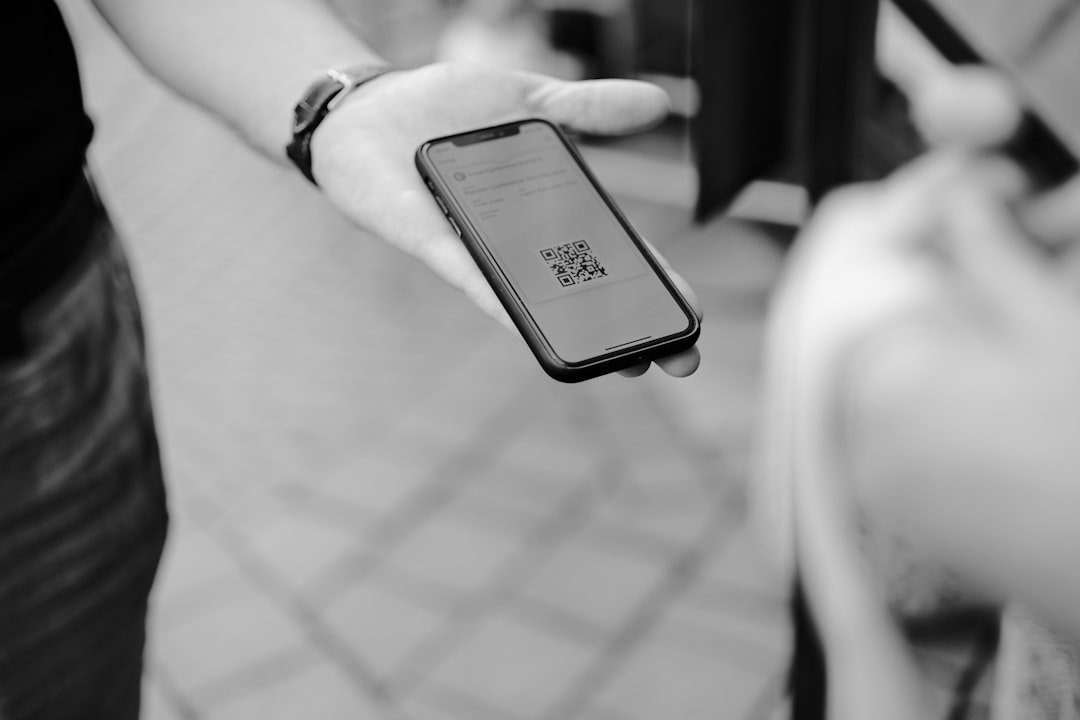
QR codes are a two-dimensional barcode technology that stores information including URLs, text, and other data types. Denso Wave, a Toyota subsidiary, developed QR codes in 1994 originally to track automotive parts during manufacturing. The technology has since expanded far beyond this initial application.
A QR code consists of black squares arranged on a white grid that can be read by devices with imaging sensors. Unlike traditional one-dimensional barcodes, QR codes can store significantly more data—up to 7,089 numeric characters or 4,296 alphanumeric characters. This increased storage capacity makes them suitable for diverse applications across multiple industries.
The widespread adoption of QR codes has been driven by the proliferation of smartphones equipped with cameras, allowing users to scan codes quickly and access information immediately. Today, QR codes are used in marketing campaigns, contactless payment systems, inventory management, and numerous other applications, reflecting their practical utility in modern digital environments.
Marketing and Advertising
In the realm of marketing and advertising, QR codes have revolutionized how brands engage with consumers. By integrating QR codes into print advertisements, billboards, and product packaging, companies can create interactive experiences that drive consumer engagement. For instance, a magazine ad featuring a QR code can lead readers directly to a promotional website or a video showcasing the product in action.
This seamless transition from print to digital not only enhances user experience but also provides marketers with valuable data on consumer behavior and engagement metrics. Moreover, QR codes enable businesses to track the effectiveness of their campaigns in real-time. By analyzing scan rates and user interactions, companies can gain insights into which advertisements resonate most with their target audience.
For example, a restaurant might place QR codes on tables that link to their menu or special offers. By monitoring how often these codes are scanned, the restaurant can assess the popularity of certain dishes or promotions. This data-driven approach allows businesses to refine their marketing strategies and allocate resources more effectively.
Contactless Payments and Transactions
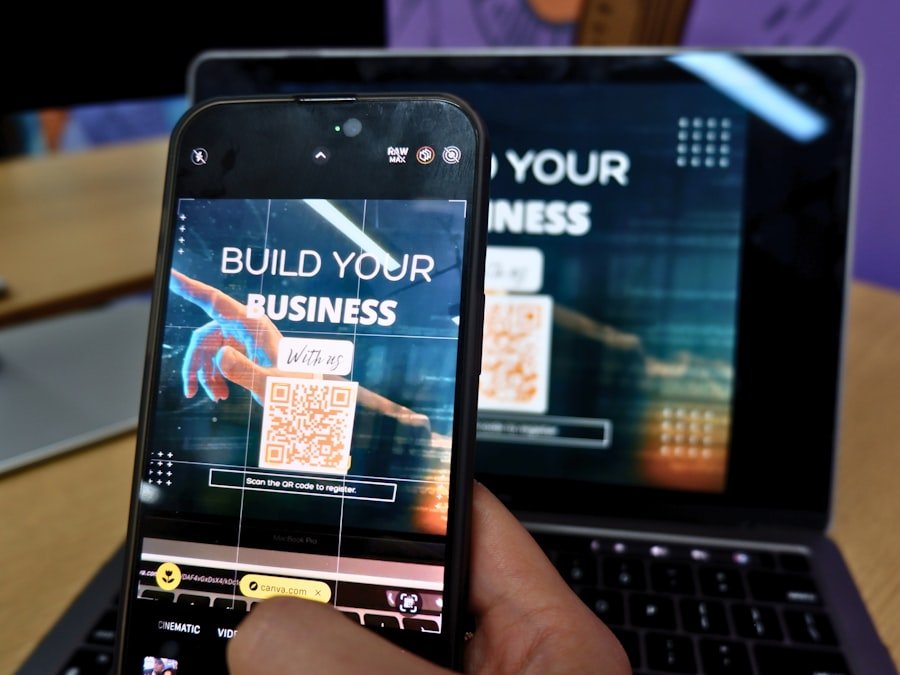
The rise of contactless payments has been significantly bolstered by the adoption of QR codes. As consumers increasingly seek convenience and safety in their transactions, QR codes provide a secure method for making payments without physical contact. This technology gained particular traction during the COVID-19 pandemic when health concerns prompted many businesses to adopt contactless solutions.
Users can simply scan a QR code displayed at a point of sale using their smartphone to complete transactions quickly and securely. Several payment platforms have integrated QR code functionality into their services, allowing users to send and receive money effortlessly. For instance, platforms like PayPal and Venmo enable users to generate unique QR codes that can be scanned by others for payment purposes.
This not only streamlines the payment process but also reduces the need for cash handling, which can be a vector for germs and viruses. Additionally, businesses benefit from reduced transaction times and increased customer satisfaction as consumers appreciate the speed and ease of contactless payments.
Access Control and Ticketing
QR codes have also transformed access control and ticketing systems across various industries. From concerts and sporting events to public transportation and amusement parks, QR codes serve as digital tickets that can be scanned for entry. This method eliminates the need for physical tickets, reducing waste and enhancing convenience for both organizers and attendees.
For example, a concert venue may issue QR-coded tickets that patrons can store on their smartphones. Upon arrival, staff can quickly scan these codes to grant access, expediting the entry process and minimizing queues. In addition to improving efficiency, QR codes enhance security in ticketing systems.
Each code is unique and can be programmed with specific parameters such as expiration dates or usage limits. This feature helps prevent fraud and unauthorized access, as counterfeit tickets become increasingly difficult to produce. Furthermore, event organizers can track attendance in real-time by monitoring scanned tickets, allowing for better crowd management and resource allocation during events.
Inventory Management and Tracking
| Use Case | Description | Example Metrics | Benefits |
|---|---|---|---|
| Contactless Payments | QR codes enable quick and secure mobile payments without physical contact. | Transaction speed: < 5 seconds Adoption rate: 60% in retail |
Faster checkout, reduced cash handling, improved hygiene |
| Event Ticketing & Access Control | QR codes used for digital tickets and entry verification at events. | Scan time: ~2 seconds per ticket Fraud reduction: 30% |
Streamlined entry, reduced paper waste, enhanced security |
| Healthcare Information Sharing | QR codes on patient wristbands or medication packaging for instant data access. | Data retrieval time: < 3 seconds Error reduction: 25% |
Improved patient safety, faster information access |
| Product Authentication | Consumers scan QR codes to verify product authenticity and origin. | Counterfeit detection rate: 40% increase User engagement: 70% |
Brand protection, consumer trust, reduced fraud |
| Educational Tools | QR codes link to supplementary learning materials or interactive content. | Student engagement increase: 50% Content access frequency: 3x per lesson |
Enhanced learning experience, easy content updates |
| Inventory & Asset Management | QR codes track assets and inventory in warehouses and offices. | Inventory accuracy: 98% Time saved per audit: 40% |
Improved tracking, reduced errors, efficient audits |
In the realm of inventory management, QR codes have become indispensable tools for businesses seeking to streamline operations and improve accuracy. By assigning unique QR codes to products or assets within a warehouse or retail environment, companies can facilitate real-time tracking of inventory levels and movements. For instance, a retail store might use QR codes on shelves to monitor stock levels automatically.
When an item is sold or restocked, employees can scan the corresponding QR code to update inventory records instantly. This technology not only enhances efficiency but also reduces human error associated with manual inventory tracking methods. Businesses can implement QR code scanning systems that integrate with inventory management software, providing comprehensive insights into stock levels, sales trends, and reorder points.
For example, a logistics company might utilize QR codes on shipping containers to track their location throughout the supply chain. By scanning these codes at various checkpoints, the company can ensure timely deliveries and optimize routes based on real-time data.
Healthcare and Medical Records
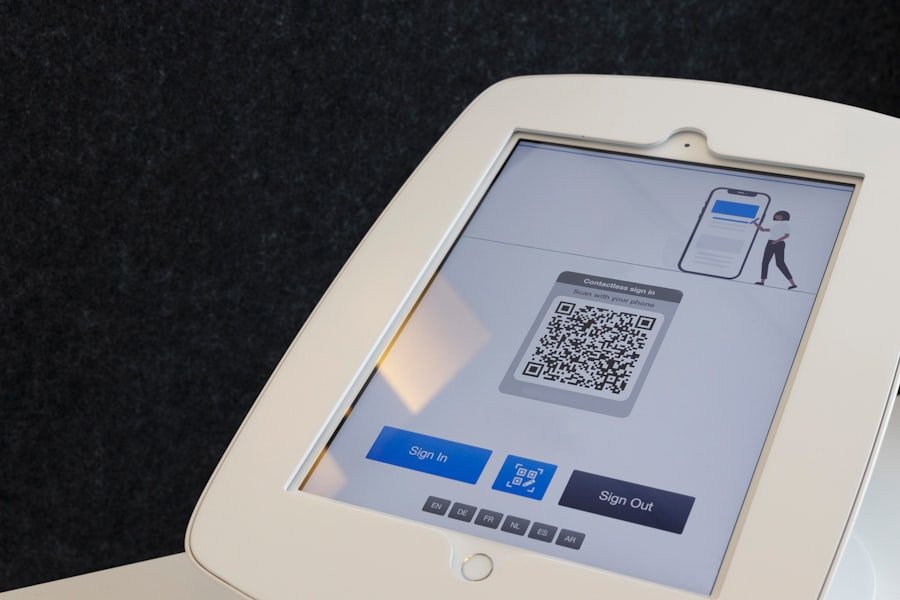
In healthcare settings, QR codes are playing an increasingly vital role in managing patient information and improving overall care delivery. Hospitals and clinics are adopting QR codes to streamline patient registration processes and enhance data accuracy. For instance, patients may receive wristbands with QR codes upon admission that link directly to their electronic health records (EHR).
Healthcare providers can scan these codes to access critical information such as medical history, allergies, and prescribed medications quickly. Moreover, QR codes facilitate medication management by allowing pharmacists to verify prescriptions efficiently. When a pharmacist scans a QR code on a medication package, they can confirm that it matches the prescribed treatment plan for the patient.
This process minimizes the risk of medication errors and ensures patient safety. Additionally, healthcare organizations are using QR codes for patient education materials; patients can scan codes on brochures or posters to access videos or articles that explain their conditions or treatment options in detail.
Education and Learning
The educational sector has also embraced QR codes as tools for enhancing learning experiences. Educators are incorporating QR codes into lesson plans to provide students with easy access to supplementary resources such as videos, articles, or interactive quizzes. For example, a teacher might place QR codes next to specific topics in a textbook that link to online resources or educational games related to that subject matter.
This approach not only engages students but also encourages independent learning as they explore additional materials at their own pace. Furthermore, QR codes facilitate communication between educators and students’ families. Schools can use QR codes on newsletters or event flyers that link directly to registration forms or important announcements.
Parents can quickly scan these codes with their smartphones to stay informed about school activities or deadlines without having to navigate complex websites or search through emails. This ease of access fosters stronger connections between schools and families while promoting active participation in students’ education.
Safety and Emergency Response
In emergency situations, QR codes can serve as valuable tools for enhancing safety protocols and response efforts. First responders can utilize QR codes on emergency kits or equipment that link to instructional videos or checklists for specific procedures. For instance, a fire department might place QR codes on fire extinguishers that provide users with quick access to instructional content on how to operate them effectively during an emergency.
Additionally, organizations can implement QR codes in public spaces for safety information dissemination. In the event of an emergency evacuation or natural disaster, authorities can display QR codes that link to real-time updates or evacuation routes on digital signage throughout buildings or outdoor areas. This immediate access to critical information can help guide individuals safely during crises while minimizing confusion and panic.
The versatility of QR codes continues to expand across various sectors, demonstrating their potential as powerful tools for innovation and efficiency in our increasingly interconnected world.
FAQs
What are QR codes?
QR codes, or Quick Response codes, are two-dimensional barcodes that can be scanned using a smartphone or QR code reader to quickly access information such as URLs, text, or other data.
How are QR codes used beyond simple marketing?
Beyond marketing, QR codes are used in various fields including healthcare for patient information, in education for interactive learning materials, in logistics for tracking shipments, in retail for inventory management, and in events for ticketing and access control.
Can QR codes be used for contactless payments?
Yes, QR codes are widely used for contactless payments, allowing users to scan a code to complete transactions securely without physical contact.
Are QR codes secure to use?
While QR codes themselves are safe, they can direct users to malicious websites if created with harmful intent. It is important to scan QR codes from trusted sources and use security software when possible.
How do QR codes improve efficiency in industries?
QR codes streamline processes by enabling quick access to information, automating data entry, improving inventory tracking, and facilitating faster customer interactions, thereby increasing overall operational efficiency.
Can QR codes store different types of data?
Yes, QR codes can store various types of data including URLs, text, contact information, Wi-Fi credentials, calendar events, and more.
Do QR codes require an internet connection to work?
Scanning a QR code itself does not require an internet connection, but accessing the content linked to the QR code, such as a website, typically does require internet access.
How are QR codes used in healthcare?
In healthcare, QR codes are used for patient identification, accessing medical records, tracking medications, and providing information about medical devices or procedures.
Can QR codes be customized for branding purposes?
Yes, QR codes can be customized with colors, logos, and designs to align with a brand’s identity while maintaining their scannability.
What devices can scan QR codes?
Most modern smartphones and tablets with cameras can scan QR codes using built-in camera apps or dedicated QR code scanning applications.