In contemporary living spaces where square footage is limited, multi-functional guest rooms have become increasingly popular. These rooms serve dual purposes: providing sleeping accommodations for visitors while offering flexible space for various household activities. Designing such a room requires identifying its multiple intended uses.
Depending on household needs, a guest room may function as a home office, reading area, exercise space, or combination thereof. This demands thoughtful planning to ensure each room element contributes to overall usability. Effective multi-functional guest room design emphasizes both comfort and accessibility.
Guests require essential amenities including proper lighting, quality bedding, and adequate storage for their belongings. The room layout should allow unobstructed movement between different functional zones. When homeowners carefully consider these practical requirements, they can develop a space that accommodates guest needs while simultaneously improving their own daily living conditions.
Choosing the right furniture for small spaces
Selecting furniture for a small multi-functional guest room requires a strategic approach. The key is to choose pieces that are not only aesthetically pleasing but also serve multiple purposes. For example, a sofa bed can provide comfortable seating during the day and transform into a bed at night, making it an ideal choice for limited space.
Similarly, ottomans with hidden storage can double as seating or footrests while providing a place to stow away blankets or books. Another important consideration is scale. Furniture that is too large can overwhelm a small room, making it feel cramped and uncomfortable.
Instead, opt for streamlined designs that maintain an open feel. A wall-mounted desk can serve as a workspace without taking up valuable floor space, while nesting tables can be easily tucked away when not in use. By carefully selecting furniture that balances functionality with size, homeowners can create an inviting and practical guest room that maximizes every inch.
Utilizing vertical space for storage and functionality
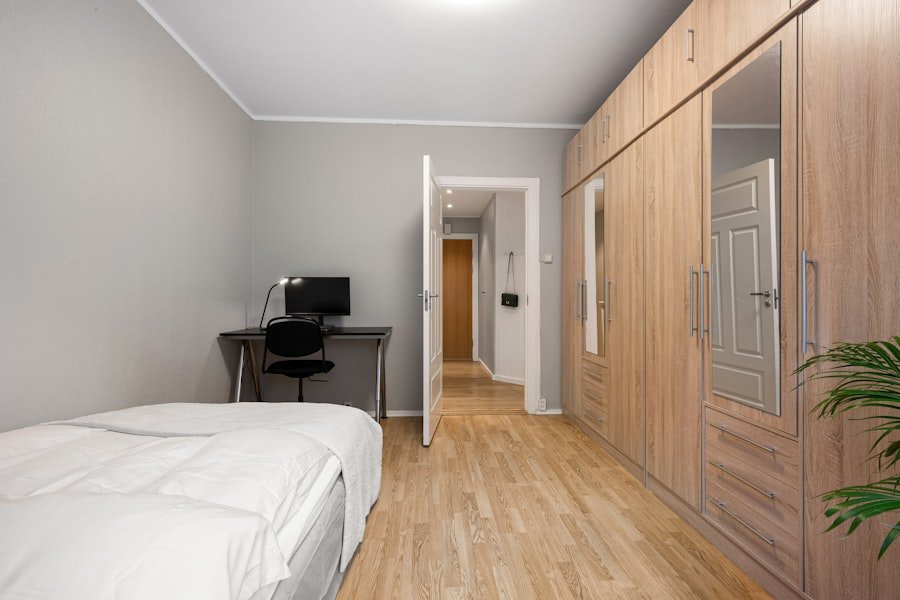
In small guest rooms, vertical space often remains underutilized, yet it presents an excellent opportunity for enhancing both storage and functionality. Wall-mounted shelves can be installed to hold books, decorative items, or even plants, drawing the eye upward and creating an illusion of height in the room. This not only frees up floor space but also adds visual interest to the walls.
Additionally, tall bookcases or cabinets can provide ample storage without consuming too much horizontal space. Another innovative way to utilize vertical space is through the installation of hooks or pegboards. These can be used to hang items such as bags, hats, or even decorative art pieces, keeping them organized while adding character to the room.
Furthermore, incorporating vertical storage solutions like over-the-door organizers can help maximize every available inch without compromising on style. By thinking vertically, homeowners can create a more functional guest room that feels spacious and organized.
Incorporating dual-purpose decor and accessories
Decor and accessories play a crucial role in enhancing the functionality of a multi-functional guest room while also contributing to its aesthetic appeal. Choosing dual-purpose decor items can significantly optimize space usage. For instance, decorative pillows can serve as both comfort items for the bed or sofa and as additional seating when needed.
Similarly, throws can add warmth and style while also being used as blankets for chilly nights. Artistic elements such as wall-mounted lighting fixtures can provide illumination without taking up table or floor space. Additionally, mirrors can be strategically placed to reflect light and create an illusion of depth in the room.
This not only enhances the decor but also makes the space feel larger and more inviting. By thoughtfully selecting decor that serves multiple purposes, homeowners can create an environment that is both beautiful and functional.
Creating a comfortable sleeping area in a small space
| Metric | Description | Typical Value / Range | Notes |
|---|---|---|---|
| Average Room Size | Size of guest rooms in small homes designed for multi-functionality | 80 – 120 sq ft | Smaller than standard guest rooms to maximize space usage |
| Furniture Pieces | Number of essential furniture items in a multi-functional guest room | 3 – 5 pieces | Includes foldable beds, desks, storage units |
| Foldable Bed Usage | Percentage of multi-functional guest rooms using foldable or Murphy beds | 60% – 75% | Helps free up floor space when not in use |
| Storage Capacity | Storage volume available in guest rooms (cabinets, shelves, under-bed) | 15 – 30 cubic feet | Optimized for guest belongings and multi-use items |
| Multi-Use Functionality | Number of functions the room can serve (e.g., guest room, office, gym) | 2 – 3 functions | Common combinations include guest room + home office |
| Lighting Options | Number of adjustable lighting sources in the room | 2 – 4 sources | Includes task lighting, ambient lighting, and accent lighting |
| Setup Time | Time required to convert the room from one function to another | 5 – 15 minutes | Depends on furniture type and room layout |
| Guest Comfort Rating | Average comfort rating by guests on a scale of 1 to 10 | 7 – 8.5 | Reflects satisfaction with space and amenities |
A comfortable sleeping area is paramount in any guest room, especially in smaller spaces where every detail counts. The bed should be the focal point of the room, and selecting the right mattress is essential for ensuring a good night’s sleep. Consider investing in a high-quality mattress that offers support while being compact enough to fit within the constraints of the room.
A platform bed with built-in storage drawers can also be an excellent choice, providing additional space for linens or personal items. Bedding choices are equally important; opt for soft, breathable fabrics that enhance comfort while adding visual appeal. Layering different textures can create an inviting atmosphere—think cotton sheets paired with a cozy quilt and plush throw pillows.
Additionally, consider incorporating blackout curtains or shades to ensure guests can enjoy restful sleep without disturbances from outside light. By focusing on these elements, homeowners can create a sleeping area that feels luxurious despite spatial limitations.
Designing a functional workspace within a guest room
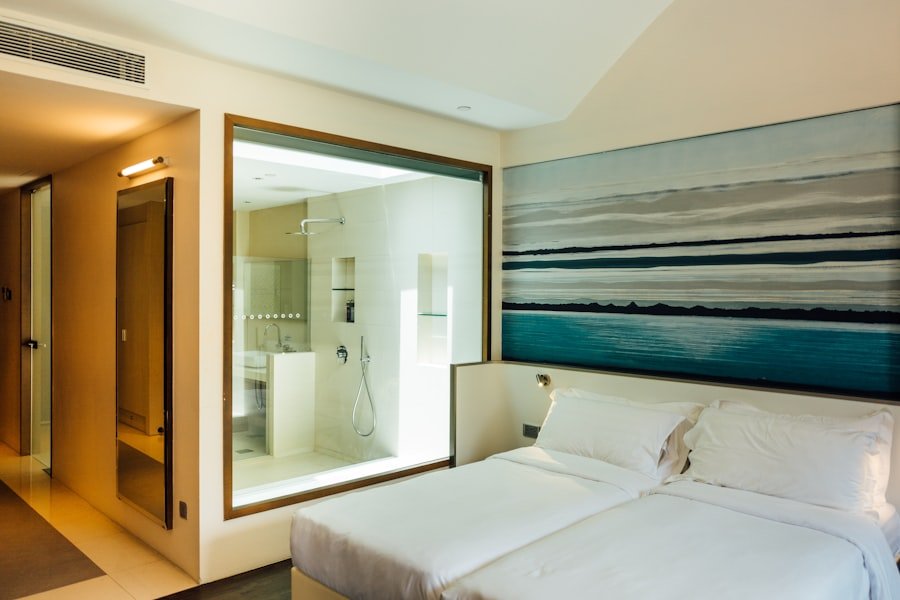
Incorporating a workspace into a multi-functional guest room requires careful planning to ensure it does not detract from the overall comfort of the space. A well-designed workspace should be both practical and aesthetically pleasing. Start by selecting a compact desk that fits seamlessly into the room’s layout; wall-mounted desks or foldable options are excellent choices for maximizing space without sacrificing functionality.
Ergonomics should also be considered when designing this workspace. A comfortable chair that provides adequate support is essential for productivity, especially if guests may need to work for extended periods. Additionally, ensure that there are sufficient power outlets nearby for charging devices or plugging in laptops.
Personal touches such as inspiring artwork or plants can make the workspace feel inviting and encourage creativity. By thoughtfully integrating a workspace into the guest room design, homeowners can provide guests with an area conducive to both relaxation and productivity.
Maximizing storage solutions for a multi-functional guest room
Storage solutions are critical in maintaining order within a multi-functional guest room. The challenge lies in finding ways to incorporate storage without overwhelming the space visually or physically. One effective strategy is to utilize under-bed storage options; rolling bins or drawers can be tucked away beneath the bed to store extra linens or seasonal clothing without taking up additional space.
In addition to under-bed storage, consider using multifunctional furniture pieces that offer built-in storage capabilities. For example, benches with lift-up seats can provide seating while also serving as hidden storage for blankets or pillows. Wall-mounted cabinets or floating shelves can also help keep items organized while maintaining an open feel in the room.
By implementing these storage solutions, homeowners can ensure that their guest room remains clutter-free and functional.
Tips for maintaining a clutter-free and inviting guest room
Creating an inviting atmosphere in a multi-functional guest room goes hand-in-hand with maintaining cleanliness and organization. One effective tip is to establish designated zones within the room for different activities—sleeping, working, and relaxing—ensuring that each area remains tidy and functional. Encourage guests to keep their belongings organized by providing baskets or bins where they can stow away personal items during their stay.
Regular decluttering is essential in keeping the space inviting; set aside time periodically to assess what items are necessary and which can be removed or relocated elsewhere in the home. Additionally, implementing a cleaning routine before guests arrive ensures that everything is fresh and welcoming upon their arrival. Simple touches like fresh flowers or scented candles can enhance the ambiance further, making guests feel special and appreciated during their stay.
By following these tips, homeowners can maintain a clutter-free environment that is both functional and inviting for all who enter.
FAQs
What is a multi-functional guest room?
A multi-functional guest room is a space designed to serve multiple purposes, such as accommodating guests while also functioning as an office, gym, or hobby room, especially in small homes where space is limited.
Why are multi-functional guest rooms important in small homes?
In small homes, space is at a premium. Multi-functional guest rooms maximize the use of available space by combining guest accommodations with other uses, making the home more efficient and versatile.
What are some common features of multi-functional guest rooms?
Common features include fold-out or Murphy beds, convertible furniture, storage solutions, and flexible layouts that allow the room to easily switch between guest use and other functions like work or exercise.
How can I make a small room suitable for guests and other uses?
Use space-saving furniture, incorporate storage solutions, choose neutral decor, and ensure the room has adequate lighting and ventilation. Multi-purpose furniture like sofa beds or wall beds can help transform the space quickly.
What types of furniture work best in multi-functional guest rooms?
Furniture that is foldable, stackable, or convertible works best. Examples include Murphy beds, sofa beds, foldable desks, nesting tables, and storage ottomans.
How can I maintain privacy for guests in a multi-functional room?
Use room dividers, curtains, or screens to create a separate area for guests. Additionally, ensure the room has a door and consider soundproofing options if possible.
Are there design tips to make a multi-functional guest room feel welcoming?
Yes, use comfortable bedding, add soft lighting, include personal touches like artwork or plants, and keep the space clutter-free to create a cozy and inviting atmosphere.
Can technology help in creating multi-functional guest rooms?
Yes, technology such as smart lighting, foldable desks with built-in charging stations, and compact entertainment systems can enhance the functionality and comfort of the room.
How do I balance storage needs in a multi-functional guest room?
Incorporate built-in storage, use under-bed storage containers, and choose furniture with hidden storage compartments to keep the room organized without sacrificing space.
Is it necessary to have a dedicated guest room in a small home?
Not necessarily. Multi-functional guest rooms allow homeowners to provide guest accommodations without dedicating an entire room solely for guests, making better use of limited space.