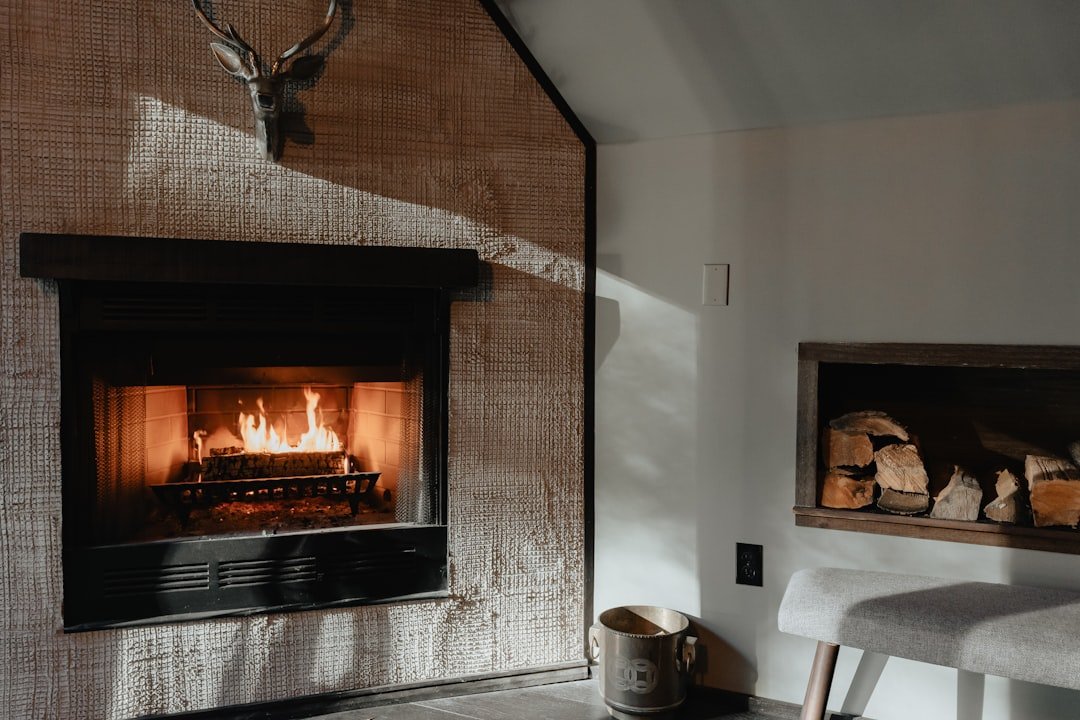
Fireplaces serve as both decorative and functional elements in residential spaces, providing warmth through two primary heat distribution mechanisms: convection and radiation. Convection heating occurs when air near the fireplace warms and rises, establishing a circulation pattern that draws cooler air toward the heat source. This natural air movement can be optimized through thoughtful fireplace design and material selection.
Radiation, conversely, transmits heat directly from the flames to nearby objects and surfaces within the direct line of sight, such as furniture and walls. Several variables affect the efficiency of heat distribution from a fireplace. The fireplace dimensions, fuel type, and room configuration all play significant roles in determining heating effectiveness.
Larger fireplaces generate greater heat output but may prove inefficient in rooms not proportionally sized to accommodate the heat production. Different fuel sources burn at distinct temperatures and yield varying heat quantities. Wood-burning fireplaces create an appealing aesthetic and atmosphere but typically distribute heat less uniformly than gas or electric alternatives.
Homeowners seeking to enhance their fireplace’s heating performance should consider these factors when evaluating their heating systems.
Choosing the Right Fireplace Design for Efficient Heat Distribution
Selecting an appropriate fireplace design is fundamental to achieving efficient heat distribution throughout a space. Traditional open fireplaces, while charming, often suffer from significant heat loss due to their open structure. Heat escapes through the chimney, and much of the warmth generated is lost to the surrounding environment rather than being circulated within the home.
In contrast, modern designs such as closed combustion fireplaces or wood stoves are engineered to maximize heat retention and distribution. These units are typically equipped with glass doors that allow for better control of airflow and heat output. Another design consideration is the placement of the fireplace within the room.
A centrally located fireplace can serve as a hub for heat distribution, allowing warmth to radiate evenly throughout the space. Additionally, corner fireplaces can be an effective solution for smaller rooms, as they can free up wall space while still providing adequate heating. The use of heat-circulating fans or blowers can further enhance the efficiency of any fireplace design by actively pushing warm air into the room, ensuring that even distant corners feel the benefits of the fire.
Utilizing Fireplace Accessories for Improved Heat Distribution
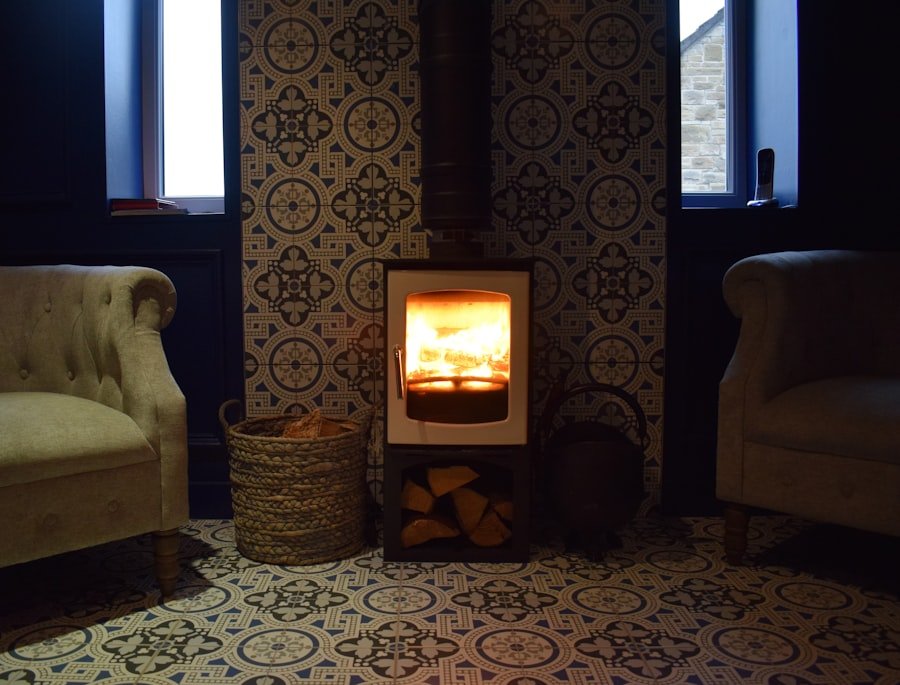
Fireplace accessories play a significant role in enhancing heat distribution and overall efficiency. One of the most effective accessories is a fireplace insert, which can transform an open fireplace into a more efficient heating source. Inserts are designed to fit into existing fireplaces and are typically equipped with advanced combustion technology that maximizes heat output while minimizing emissions.
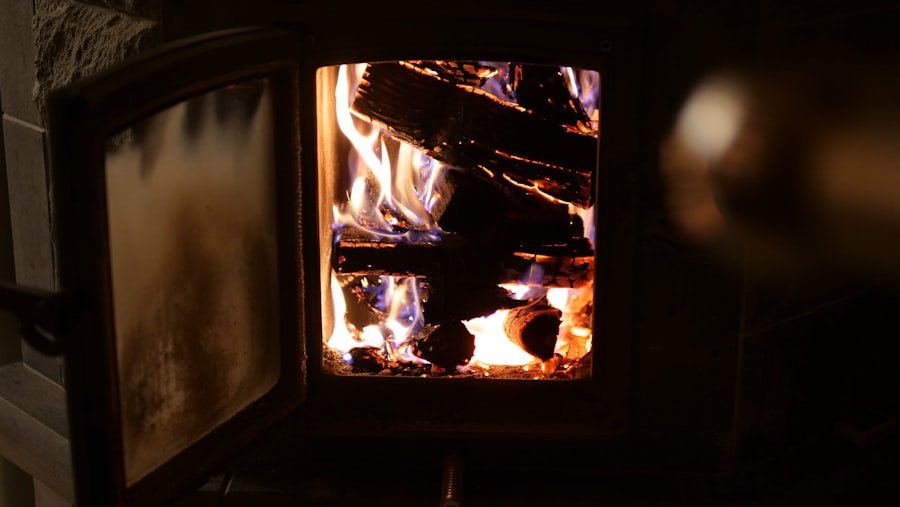
By converting an open fireplace into a closed system, inserts can significantly reduce heat loss and improve overall performance. In addition to inserts, tools such as fire screens and glass doors can help contain heat within the fireplace while also providing safety and aesthetic appeal. Fire screens allow for visibility of the flames while preventing sparks from escaping, whereas glass doors can create an airtight seal that retains heat more effectively.
Furthermore, using a fireplace grate can elevate logs above the base of the fireplace, promoting better airflow and combustion efficiency. These accessories not only enhance safety but also contribute to a more consistent and comfortable heating experience.
Maximizing Airflow and Ventilation for Better Heat Distribution
Airflow and ventilation are critical components in ensuring effective heat distribution from a fireplace. Proper airflow allows for efficient combustion, which in turn produces more heat. One way to maximize airflow is by ensuring that vents are unobstructed and that there is adequate intake air available for combustion.
In many cases, homes may require additional ventilation systems to facilitate this process, especially in tightly sealed modern constructions where natural airflow may be limited. Moreover, strategically placing fans can significantly improve heat circulation throughout a room or home. Ceiling fans set to run in reverse can help push warm air down from high ceilings, redistributing it throughout the living space.
Similarly, portable fans placed near the fireplace can help direct warm air into colder areas of the room. This approach not only enhances comfort but also reduces reliance on supplementary heating sources, leading to energy savings over time.
Incorporating Heat-Retaining Materials in the Fireplace Surround
| Upgrade Method | Heat Distribution Improvement | Installation Complexity | Cost Range | Energy Efficiency Increase | Maintenance Required |
|---|---|---|---|---|---|
| Install Fireplace Insert | Up to 70% more heat output | Medium | 500 – 3000 | 30% – 50% | Annual cleaning and inspection |
| Add Heat Exchanger or Blower | 20% – 40% better heat circulation | Low to Medium | 150 – 600 | 15% – 25% | Periodic dusting and fan maintenance |
| Use Reflective Fireback | 10% – 20% increased radiant heat | Low | 50 – 200 | 5% – 10% | Minimal |
| Seal and Insulate Fireplace | Reduces heat loss by 15% – 30% | Medium | 100 – 400 | 10% – 20% | Check seals annually |
| Install Glass Doors | Improves heat retention by 25% – 35% | Low | 200 – 500 | 15% – 30% | Regular cleaning |
The materials used in and around a fireplace can greatly influence its ability to retain and distribute heat effectively. Heat-retaining materials such as stone, brick, or tile can absorb warmth from the fire and release it slowly into the surrounding area. For instance, a masonry fireplace constructed with firebrick can store heat during a burn and radiate it long after the flames have died down.
This thermal mass effect is particularly beneficial in maintaining a consistent temperature within a room. In addition to traditional materials, modern advancements have introduced options like soapstone or cast iron, which are known for their excellent heat retention properties. Soapstone, with its high density and ability to hold heat for extended periods, can be an ideal choice for homeowners looking to maximize their fireplace’s efficiency.
Incorporating these materials into the design of the fireplace surround not only enhances its aesthetic appeal but also contributes to improved thermal performance.
Implementing Smart Furniture Arrangement for Optimal Heat Distribution
The arrangement of furniture within a room can significantly impact how effectively heat from a fireplace is distributed. To optimize warmth, it is essential to avoid blocking airflow with large pieces of furniture or heavy drapes that could obstruct radiant heat from reaching other areas of the room. Instead, positioning seating areas in a way that allows occupants to benefit from direct radiant heat can enhance comfort levels during colder months.
Creating an open layout around the fireplace encourages better circulation of warm air throughout the space. For example, placing sofas and chairs at an angle towards the fire rather than directly against walls can facilitate airflow and create a cozy gathering spot that maximizes warmth. Additionally, using lighter fabrics for curtains or blinds can help reflect light and warmth back into the room rather than absorbing it, further enhancing overall comfort.
Maintaining and Cleaning the Fireplace for Effective Heat Distribution
Regular maintenance and cleaning are vital for ensuring that a fireplace operates efficiently and effectively distributes heat. Over time, soot and creosote can build up within chimneys and flues, restricting airflow and reducing combustion efficiency. This buildup not only poses safety hazards but also diminishes the amount of heat that can be generated from a fire.
Scheduling annual inspections and cleanings by certified professionals is essential for maintaining optimal performance. In addition to chimney maintenance, keeping the firebox clean is equally important. Ash buildup can impede airflow and reduce combustion efficiency; therefore, regularly removing ashes after fires will help maintain proper airflow within the fireplace.
Homeowners should also inspect seals around doors and vents to ensure they are intact and functioning correctly. Addressing any gaps or leaks will prevent warm air from escaping and cold air from entering, thereby enhancing overall heating efficiency.
Exploring Alternative Heating Options for Supplemental Heat Distribution
While fireplaces are excellent sources of warmth, exploring alternative heating options can provide supplemental heat distribution throughout a home. Electric heaters or infrared panels can be strategically placed in colder areas to provide additional warmth without relying solely on the fireplace. These options are particularly useful in larger homes where one fireplace may not suffice to heat all rooms effectively.
Another alternative is incorporating radiant floor heating systems that work in conjunction with fireplaces. These systems utilize heated water or electric coils beneath flooring materials to provide consistent warmth throughout a space. When combined with a fireplace, radiant floor heating can create an even more comfortable environment by ensuring that every corner of a room benefits from warmth without relying solely on convection currents from the fire itself.
By diversifying heating methods, homeowners can achieve greater comfort while optimizing energy efficiency across their living spaces.
FAQs
Why should I upgrade my old fireplace for better heat distribution?
Upgrading an old fireplace improves its efficiency by distributing heat more evenly throughout the room, reducing heat loss, and lowering energy costs. It also enhances safety and can increase the overall comfort of your living space.
What are common methods to improve heat distribution in old fireplaces?
Common methods include installing a fireplace insert, adding a blower or fan system, using heat-resistant glass doors, and incorporating a heat exchanger or a grate heater. These upgrades help capture and circulate more heat into the room.
Can I upgrade my fireplace myself, or should I hire a professional?
While some minor upgrades like installing glass doors or a grate heater can be DIY projects, most significant improvements—such as installing inserts or blower systems—should be done by a certified professional to ensure safety and proper installation.
Will upgrading my fireplace reduce smoke and emissions?
Yes, many modern fireplace inserts and upgrades are designed to burn fuel more efficiently, which reduces smoke, emissions, and creosote buildup, contributing to a cleaner and safer home environment.
Are fireplace inserts compatible with all types of old fireplaces?
Fireplace inserts are generally compatible with most masonry fireplaces, but compatibility depends on the size, shape, and condition of the existing fireplace. A professional assessment is recommended to determine the best fit.
How much does it typically cost to upgrade an old fireplace for better heat distribution?
Costs vary widely depending on the type of upgrade, materials used, and labor. Simple upgrades like glass doors may cost a few hundred dollars, while installing a high-efficiency insert with a blower can range from $2,000 to $5,000 or more.
Will upgrading my fireplace increase the value of my home?
Yes, improving the efficiency and appearance of your fireplace can enhance your home’s value by making it more energy-efficient and attractive to potential buyers.
Is it necessary to maintain upgraded fireplaces differently than old, traditional ones?
Upgraded fireplaces may require specific maintenance, such as cleaning blower fans or inspecting inserts, but regular chimney cleaning and inspection remain essential to ensure safe operation regardless of upgrades.
Can upgrading my fireplace help reduce heating bills?
Yes, by improving heat distribution and efficiency, upgraded fireplaces can reduce the need for supplemental heating, leading to lower energy bills.
Are there environmentally friendly options for upgrading old fireplaces?
Yes, options like EPA-certified wood-burning inserts, pellet stove inserts, and gas inserts offer cleaner combustion and better heat efficiency, making them more environmentally friendly choices.