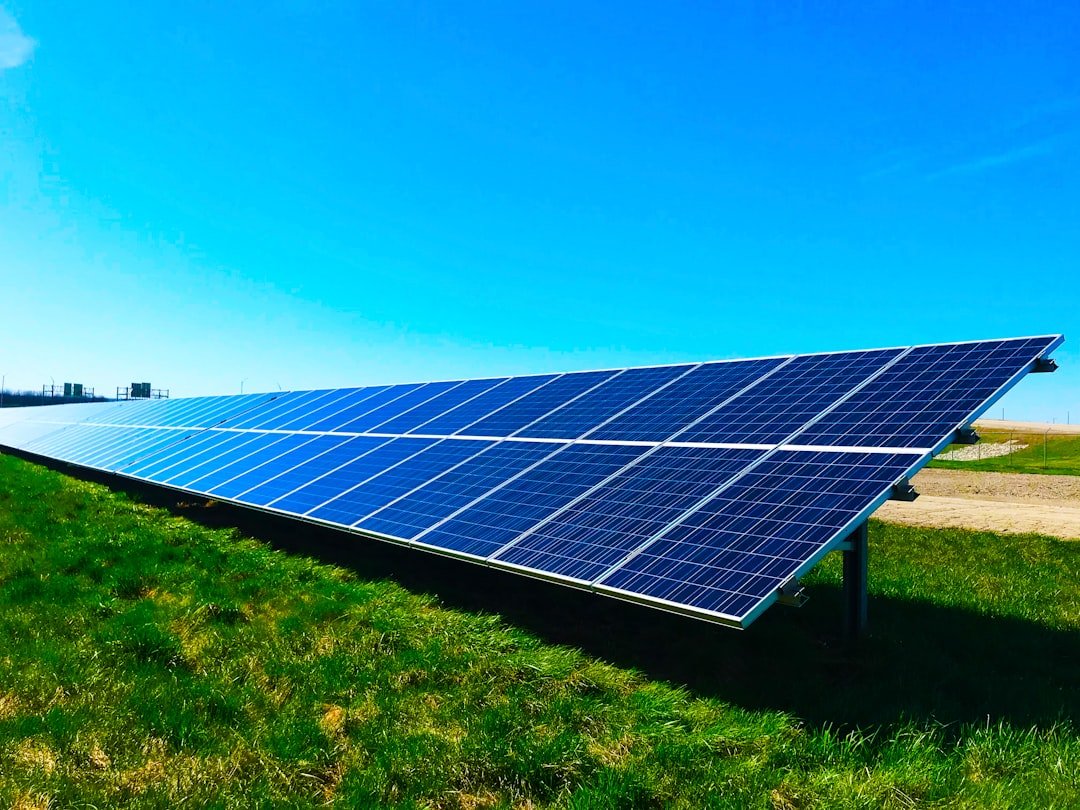
Solar panels are a renewable energy technology that converts sunlight into electricity. The sun provides an abundant and inexhaustible energy source, making solar power a sustainable alternative to fossil fuels. Solar energy production generates no greenhouse gas emissions during operation, unlike coal, natural gas, and oil, which release carbon dioxide and other pollutants.
By reducing dependence on non-renewable energy sources, solar panels contribute to climate change mitigation efforts. Additionally, solar technology enables energy independence, allowing property owners to generate electricity on-site rather than relying entirely on grid-supplied power. Beyond environmental benefits, solar panels offer economic advantages.
Once installed, they reduce electricity consumption from the grid, lowering utility bills. The extent of savings depends on system size, local electricity rates, and sun exposure. Many regions implement net metering policies that allow excess solar energy to be fed back into the grid in exchange for credits or compensation.
Initial installation costs are frequently reduced through government tax credits, rebates, and other financial incentives. As manufacturing processes improve and production volumes increase, installation costs continue to decline, improving the financial return on investment and making solar panels a viable option for residential and commercial applications.
Assessing the Feasibility of Installing Solar Panels on Existing Roofs
Before embarking on the journey of solar panel installation, it is essential to assess the feasibility of placing them on existing roofs. The first step in this evaluation involves examining the roof’s orientation and pitch. Ideally, roofs that face south or southwest receive the most sunlight throughout the day, maximizing energy production.
Additionally, a roof with a pitch between 15 and 40 degrees is generally considered optimal for solar panel installation. However, even roofs with less ideal orientations can still benefit from solar technology through advanced panel positioning and tracking systems. Another critical factor to consider is the structural integrity of the roof itself.
Older roofs may require repairs or reinforcement before they can support the weight of solar panels. A thorough inspection by a qualified professional can identify any potential issues, such as sagging or damage from weather events. Furthermore, local building codes and regulations may impose restrictions on solar installations, necessitating permits or inspections before proceeding.
Understanding these factors ensures that homeowners make informed decisions about their solar investments and avoid unexpected complications during installation.
Choosing the Right Type of Solar Panels for Your Roof
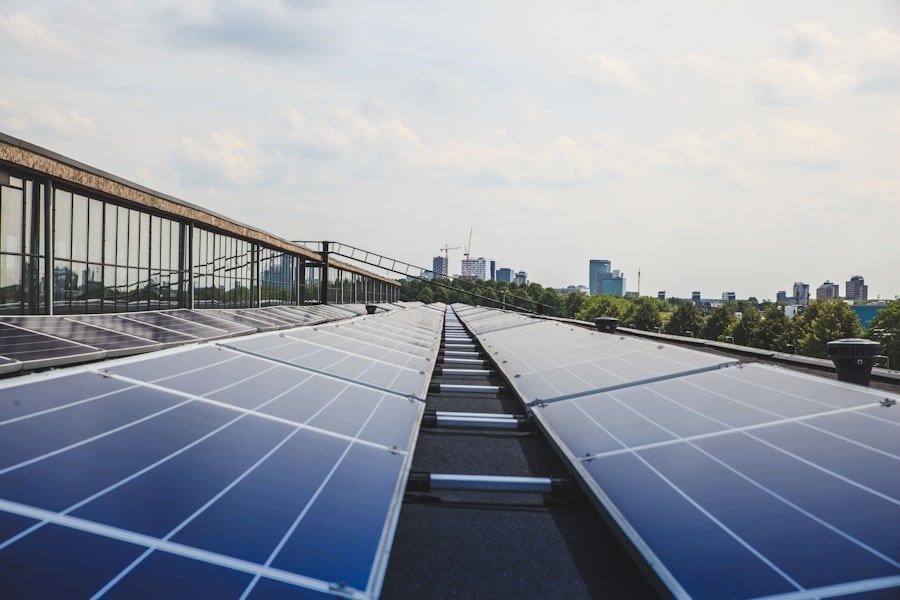
Selecting the appropriate type of solar panels for your roof is a pivotal decision that can influence both performance and aesthetics. There are primarily three types of solar panels available: monocrystalline, polycrystalline, and thin-film. Monocrystalline panels are known for their high efficiency and sleek appearance, making them a popular choice for residential installations.
They are made from single-crystal silicon, which allows for greater energy conversion rates and requires less space compared to other types. This efficiency makes them particularly suitable for homes with limited roof space. Polycrystalline panels, on the other hand, are made from multiple silicon crystals and are generally less expensive than their monocrystalline counterparts.
While they may have slightly lower efficiency rates, they still provide a reliable source of energy for many homeowners. Thin-film solar panels offer flexibility and lightweight characteristics, making them ideal for unconventional surfaces or applications where weight is a concern. However, they typically require more space to produce the same amount of energy as crystalline panels.
Evaluating these options based on factors such as budget, available roof space, and aesthetic preferences will help homeowners make an informed choice that aligns with their energy goals.
Hiring a Professional to Install Solar Panels
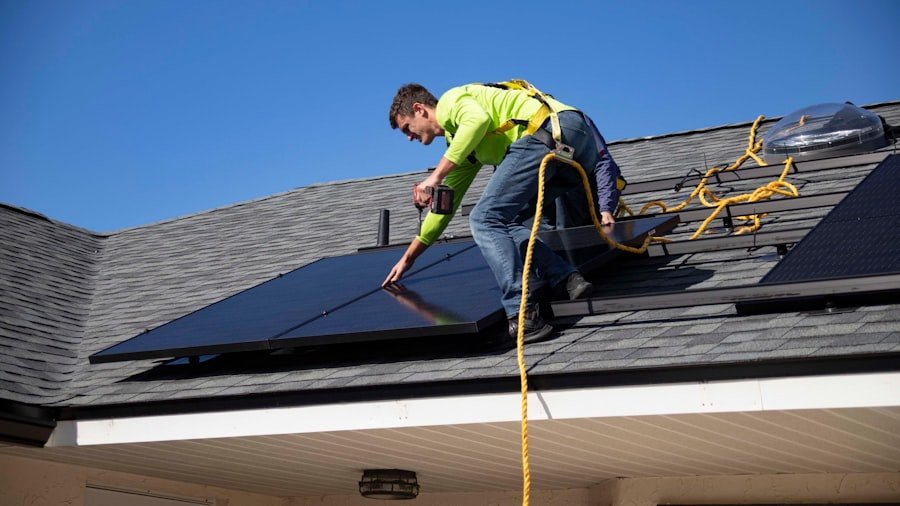
The installation of solar panels is a complex process that requires specialized knowledge and skills. Hiring a professional installer is crucial to ensure that the system is set up correctly and operates efficiently. A qualified installer will conduct a comprehensive site assessment to determine the best placement for the panels, taking into account factors such as shading from trees or nearby buildings.
They will also be familiar with local regulations and permitting processes, streamlining what can often be a cumbersome task for homeowners. Moreover, professional installers bring experience in handling various installation scenarios, including roof types and mounting systems. They can provide valuable insights into optimizing system performance and ensuring compliance with safety standards.
Additionally, many reputable installers offer warranties on their workmanship, providing peace of mind that any potential issues will be addressed promptly. By entrusting the installation process to professionals, homeowners can maximize their investment in solar technology while minimizing risks associated with improper installation.
Ensuring No Structural Damage During Installation
| Metric | Value | Unit | Notes |
|---|---|---|---|
| Average Roof Load Capacity | 40 | psf (pounds per square foot) | Typical residential roof load capacity |
| Weight of Standard Solar Panel | 3.5 | psf | Includes mounting hardware |
| Maximum Additional Load for Safety | 10 | psf | Recommended margin to avoid structural damage |
| Average Roof Pitch | 20 | degrees | Common roof slope for solar installations |
| Installation Time | 2-4 | days | Typical duration for a 5kW system |
| Typical Panel Size | 65 x 39 | inches | Standard residential solar panel dimensions |
| Average Energy Output | 250-350 | watts per panel | Depends on panel efficiency and sunlight |
| Roof Penetration Points | 4-6 | per panel | Number of mounting points requiring sealing |
| Expected Roof Life Reduction | 0-5 | years | Minimal if installed properly |
| Cost of Structural Assessment | 300-600 | USD | One-time cost before installation |
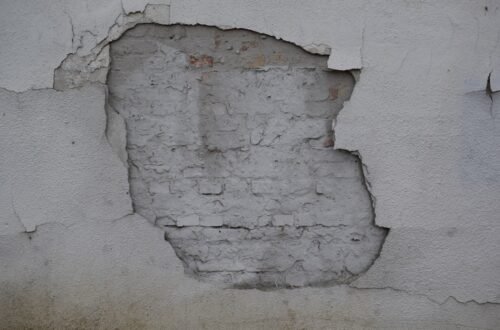
One of the primary concerns during solar panel installation is ensuring that no structural damage occurs to the roof or surrounding areas. The installation process typically involves drilling into the roof to secure mounting brackets for the panels. If not done correctly, this can lead to leaks or compromise the roof’s integrity.
To mitigate these risks, it is essential to work with experienced installers who understand best practices for securing panels without causing damage. Before installation begins, a thorough inspection of the roof should be conducted to identify any pre-existing issues that could be exacerbated during the process. This includes checking for weak spots or areas that may require reinforcement.
Additionally, installers should use appropriate sealing materials around any penetrations made during installation to prevent water intrusion. By prioritizing careful planning and execution during the installation phase, homeowners can protect their roofs from potential damage while enjoying the benefits of solar energy.
Maintaining Your Solar Panels for Long-Term Use
Once installed, maintaining solar panels is essential for ensuring their long-term efficiency and performance. Regular maintenance helps prevent issues such as dirt accumulation, which can obstruct sunlight and reduce energy output. In many cases, rain can naturally clean panels; however, in areas with less rainfall or significant dust accumulation, periodic cleaning may be necessary.
Homeowners can either hire professionals for this task or perform it themselves using soft brushes and non-abrasive cleaning solutions. In addition to cleaning, it is important to monitor the performance of solar panels regularly. Many modern systems come equipped with monitoring software that tracks energy production in real-time.
This allows homeowners to identify any significant drops in output that may indicate underlying issues such as shading from new tree growth or malfunctioning components. By staying proactive about maintenance and monitoring, homeowners can ensure that their solar systems operate at peak efficiency throughout their lifespan.
Maximizing the Energy Efficiency of Your Solar Panels
Maximizing energy efficiency is a key goal for any homeowner investing in solar technology. One effective strategy involves optimizing panel placement to minimize shading throughout the day. This may require trimming back overhanging branches or relocating objects that cast shadows on the panels during peak sunlight hours.
Additionally, using high-efficiency inverters can enhance overall system performance by converting more of the generated DC electricity into usable AC power. Another approach to improving energy efficiency is integrating battery storage systems into solar setups. These systems allow homeowners to store excess energy generated during sunny days for use during periods of low sunlight or high demand.
By utilizing stored energy effectively, homeowners can further reduce reliance on grid electricity and maximize their investment in solar technology. Furthermore, engaging in energy-efficient practices within the home—such as using LED lighting and Energy Star appliances—can complement solar energy use by reducing overall consumption.
Understanding the Financial Incentives of Installing Solar Panels
The financial landscape surrounding solar panel installation has become increasingly favorable due to various incentives designed to encourage adoption of renewable energy technologies. One of the most significant incentives available in many regions is the federal investment tax credit (ITC), which allows homeowners to deduct a percentage of their solar installation costs from their federal taxes. This credit has been instrumental in making solar more affordable and accessible for many households.
In addition to federal incentives, many states offer their own tax credits, rebates, or grants aimed at promoting solar energy adoption. Some local governments have implemented property tax exemptions for solar installations, ensuring that homeowners do not face increased property taxes due to their investment in renewable energy technology. Furthermore, utility companies may provide incentives such as cash rebates or performance-based incentives for generating renewable energy.
Understanding these financial incentives can significantly impact the overall cost-effectiveness of installing solar panels and help homeowners make informed decisions about their energy future.
FAQs
Can solar panels be installed on any type of existing roof?
Solar panels can be installed on most types of existing roofs, including asphalt shingles, metal, tile, and flat roofs. However, the suitability depends on the roof’s condition, orientation, and structural integrity.
Will installing solar panels cause structural damage to my roof?
When properly installed by experienced professionals, solar panels do not cause structural damage. Installers use mounting systems designed to minimize impact and avoid compromising the roof’s integrity.
How do installers prevent leaks when mounting solar panels?
Installers use specialized flashing and sealants around mounting points to ensure waterproofing. Proper installation techniques prevent leaks and maintain the roof’s weather resistance.
Is it necessary to reinforce the roof before installing solar panels?
Most roofs in good condition do not require reinforcement. However, if the roof is old or structurally weak, a professional assessment may recommend strengthening before installation.
How long does it take to install solar panels on an existing roof?
Installation typically takes one to three days, depending on the system size, roof type, and complexity. Proper planning and preparation can help ensure a smooth process.
Will solar panel installation affect my roof warranty?
Some roof warranties may be affected by solar panel installation. It is important to check with the roofing manufacturer and installer to understand any potential impacts.
Can solar panels be removed and reinstalled without damaging the roof?
Yes, solar panels can be removed and reinstalled if necessary. Skilled installers can do this carefully to avoid damage, but it should be done by professionals.
What maintenance is required for solar panels on existing roofs?
Solar panels require minimal maintenance, mainly periodic cleaning and inspections to ensure mounting hardware remains secure and the roof stays intact.
Are there any risks of roof damage during solar panel installation?
While risks are minimal with professional installation, improper mounting or poor workmanship can cause damage such as leaks or weakened roofing materials.
How can I ensure my roof is suitable for solar panel installation?
Have a licensed solar installer or structural engineer assess your roof’s condition, age, and load capacity before installation to ensure it can safely support solar panels.