
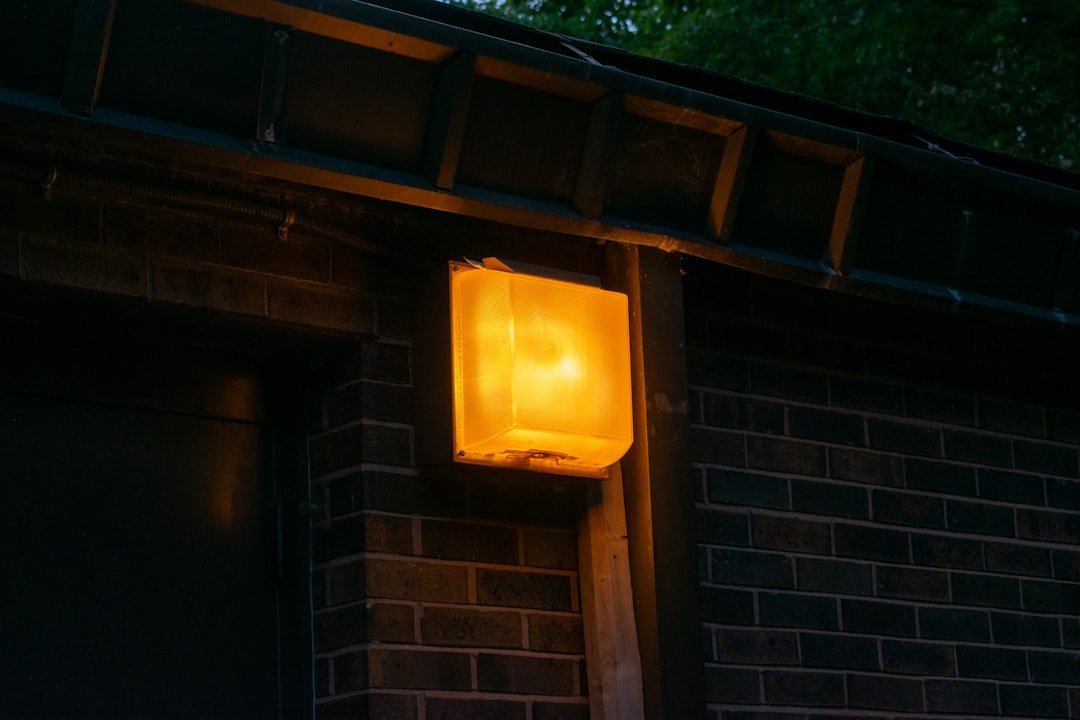
Upgrading light fixtures is a home improvement project that can enhance both the appearance and functionality of a space. Lighting affects the mood of a room, emphasizes architectural features, and provides illumination for daily activities. Homeowners may choose to upgrade fixtures to modernize their homes, reduce energy consumption, or replace worn-out components.
Current options include numerous styles, designs, and technologies that allow homeowners to select fixtures matching their preferences and requirements. Reasons for upgrading light fixtures include improving room ambiance and addressing practical lighting issues. Inadequate lighting in a kitchen can make cooking difficult and create an unwelcoming environment, while proper lighting in a living room can enhance comfort during family activities.
Modern lighting technology, particularly LED fixtures, offers advantages over traditional incandescent bulbs, including lower energy consumption and extended operational lifespans. This article examines the process of upgrading light fixtures, including selection criteria and proper installation procedures.
Choosing the Right Light Fixture for Your Space
Selecting the appropriate light fixture involves considering several factors, including the size of the room, the existing decor, and the intended use of the space. For example, in a small bedroom, a sleek pendant light or wall sconces may be more suitable than a bulky chandelier, which could overwhelm the area. Conversely, in larger spaces such as dining rooms or entryways, statement fixtures can serve as focal points that draw the eye and enhance the overall design.
It is essential to strike a balance between functionality and aesthetics; the chosen fixture should not only illuminate effectively but also complement the room’s style. Another critical aspect to consider is the type of lighting required for different activities. Ambient lighting provides general illumination, while task lighting focuses on specific areas where activities such as reading or cooking take place.
Accent lighting can highlight artwork or architectural features. For instance, in a home office, a combination of overhead lights and desk lamps can create an effective workspace that minimizes eye strain. Additionally, consider the color temperature of the bulbs; warmer tones (around 2700K) create a cozy atmosphere, while cooler tones (above 4000K) are more energizing and suitable for work environments.
Considerations for Upgrading Without Rewiring
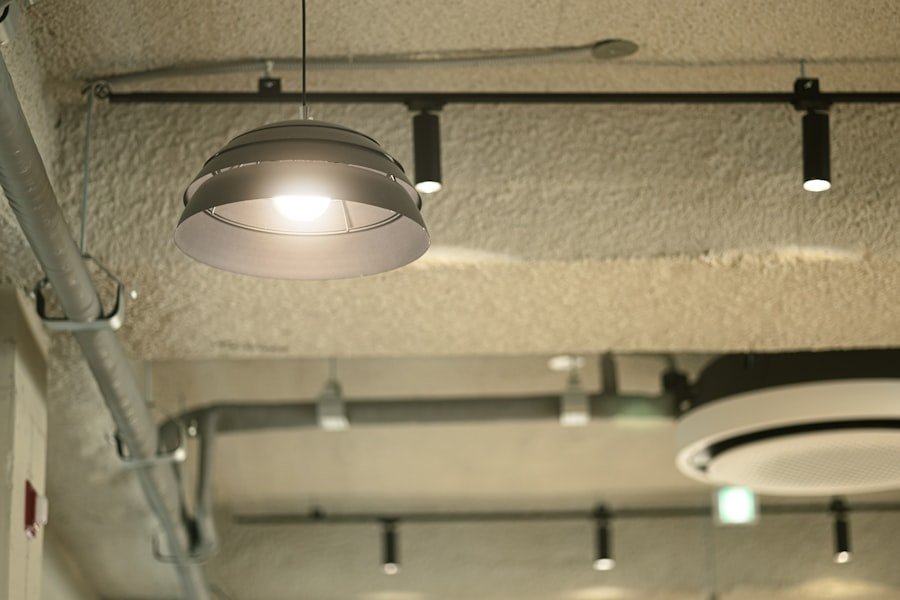
One of the most appealing aspects of upgrading light fixtures is the possibility of doing so without extensive rewiring. Many modern fixtures are designed to be compatible with existing electrical setups, allowing homeowners to make changes with minimal disruption. Before proceeding with an upgrade, it is essential to assess the current wiring and fixture compatibility.
Most standard light fixtures operate on a 120-volt system in residential settings, which simplifies the process of finding replacements that fit without requiring new wiring. When upgrading without rewiring, it is also important to consider the weight and size of the new fixture. Heavier fixtures may require additional support or mounting hardware to ensure safety and stability.
Additionally, if you are replacing a ceiling-mounted fixture with one that has different mounting requirements, it is crucial to verify that the existing electrical box can accommodate the new fixture’s specifications. In some cases, using adapters or conversion kits can facilitate a seamless transition without necessitating rewiring.
Tools and Materials Needed for the Upgrade
Before embarking on an upgrade project, gathering the necessary tools and materials is essential for a smooth installation process. Basic tools typically required include a screwdriver (both flathead and Phillips), pliers, wire strippers, and a voltage tester to ensure safety when working with electrical components. A ladder may also be necessary for reaching high ceilings or fixtures that are out of arm’s reach.
Having these tools on hand will streamline the installation process and minimize delays. In addition to tools, specific materials will be needed based on the type of fixture being installed. This may include mounting brackets, screws, wire nuts for securing connections, and electrical tape for added safety.
If you are opting for an LED fixture or one with integrated smart technology, ensure you have compatible bulbs or any additional components required for operation. It is advisable to read through the manufacturer’s instructions carefully before starting the installation to ensure all necessary materials are accounted for.
Steps for Installing a New Light Fixture
| Step | Task | Tools Needed | Estimated Time | Difficulty Level | Safety Tips |
|---|---|---|---|---|---|
| 1 | Turn off power at circuit breaker | None | 5 minutes | Easy | Verify power is off with voltage tester |
| 2 | Remove old light fixture | Screwdriver, voltage tester | 10-15 minutes | Easy | Handle wires carefully, confirm no power |
| 3 | Inspect existing wiring and junction box | Flashlight | 5 minutes | Easy | Check for damaged wires or loose connections |
| 4 | Connect new fixture wires to existing wiring | Wire strippers, wire nuts | 10-20 minutes | Moderate | Match wire colors correctly (black to black, white to white) |
| 5 | Secure new fixture to junction box | Screwdriver | 5-10 minutes | Easy | Ensure fixture is firmly mounted |
| 6 | Restore power and test fixture | None | 5 minutes | Easy | Stand clear when turning power back on |
The installation process for a new light fixture generally follows a series of straightforward steps that can be completed by most homeowners with basic DIY skills. First and foremost, safety should be prioritized by turning off power at the circuit breaker to avoid any risk of electric shock during installation. Once power is off, remove the existing fixture by unscrewing it from its mounting bracket and carefully disconnecting the wires.
Next, prepare the new fixture for installation by following the manufacturer’s instructions. This often involves attaching any necessary mounting hardware to the ceiling or wall before connecting wires. Typically, you will connect black (or red) wires together for power, white wires for neutral connections, and green or bare wires for grounding.
After securing these connections with wire nuts and electrical tape, carefully tuck them back into the electrical box. Once all connections are made, attach the new fixture to its mounting bracket securely. Ensure that it is level and properly aligned before tightening screws.
Finally, restore power at the circuit breaker and test the new fixture to confirm it operates correctly. If everything functions as intended, you can take pride in your successful upgrade.
Safety Precautions to Keep in Mind
Safety should always be at the forefront when working with electrical systems. Before beginning any installation work, it is crucial to turn off power at the circuit breaker and verify that there is no electricity flowing through the wires using a voltage tester. This simple step can prevent serious accidents and injuries associated with electric shock.
Additionally, wearing appropriate personal protective equipment (PPE) is advisable during installation. Safety goggles can protect your eyes from debris when working overhead, while gloves can provide grip and protect your hands from sharp edges or exposed wires. If you are unsure about any aspect of the installation process or encounter unexpected issues such as damaged wiring or structural concerns, it is wise to consult with a licensed electrician who can provide professional guidance.
Troubleshooting Common Issues
Even with careful planning and execution, issues may arise during or after installing new light fixtures. One common problem is flickering lights, which can indicate loose connections or incompatible bulbs. If flickering occurs after installation, it is advisable to turn off power again and check all wire connections to ensure they are secure.
Additionally, verify that you are using bulbs that are compatible with your fixture; some LED bulbs may not work well with dimmer switches or specific types of fixtures. Another issue that may arise is insufficient lighting despite upgrading fixtures. This could be due to several factors including bulb wattage limitations or placement of fixtures within the room.
If you find that your new fixture does not provide adequate illumination, consider adding additional fixtures or using higher wattage bulbs (within safety limits) to enhance brightness. In some cases, repositioning existing fixtures or incorporating task lighting can also help address lighting deficiencies.
Final Tips and Recommendations for Upgrading Light Fixtures
When upgrading light fixtures, it is beneficial to take your time in selecting designs that resonate with your personal style while also considering functionality. Explore various styles ranging from contemporary to vintage to find pieces that harmonize with your home’s decor theme. Additionally, consider energy-efficient options such as LED fixtures that not only reduce electricity costs but also contribute to environmental sustainability.
Moreover, don’t hesitate to seek inspiration from design magazines or online platforms like Pinterest and Instagram where countless ideas abound for creative lighting solutions. Engaging with local home improvement stores can also provide valuable insights into current trends and available products tailored to your needs. Lastly, remember that upgrading light fixtures is not just about aesthetics; it’s an opportunity to enhance your living environment significantly.
By investing time in thoughtful selection and proper installation techniques while adhering to safety protocols, you can create spaces that are not only beautifully illuminated but also functional and inviting for years to come.
FAQs
Is it necessary to turn off the power before replacing a light fixture?
Yes, always turn off the power at the circuit breaker before starting any electrical work to ensure safety and prevent electrical shock.
Can I replace a light fixture without rewiring the entire room?
Yes, you can replace an old light fixture using the existing wiring if it is in good condition and compatible with the new fixture.
What tools do I need to replace a light fixture?
Common tools include a voltage tester, screwdriver, wire stripper, wire nuts, and possibly pliers.
How do I know if the existing wiring is safe to use?
Inspect the wiring for any signs of damage, wear, or corrosion. If unsure, consult a licensed electrician to assess the condition.
Do I need to match the new fixture’s wiring to the old one?
Yes, ensure the new fixture’s wires correspond correctly to the existing wiring—typically black (hot), white (neutral), and green or bare (ground).
Can I install a new fixture if the mounting bracket is different?
You may need to use an adapter or install a new mounting bracket compatible with the fixture and electrical box.
Is it necessary to use a licensed electrician for fixture replacement?
While many fixture replacements can be done by homeowners, hiring a licensed electrician is recommended if you are unfamiliar with electrical work or if the wiring is outdated or damaged.
What should I do if the old fixture has more wires than the new one?
Identify the purpose of each wire and consult the fixture’s instructions or an electrician to ensure proper connections.
Can I upgrade to LED fixtures without changing the wiring?
Yes, LED fixtures typically use the same wiring as traditional fixtures, making them easy to install without rewiring.
How do I safely dispose of old light fixtures?
Recycle metal and glass parts where possible and dispose of any hazardous materials, such as mercury-containing bulbs, according to local regulations.