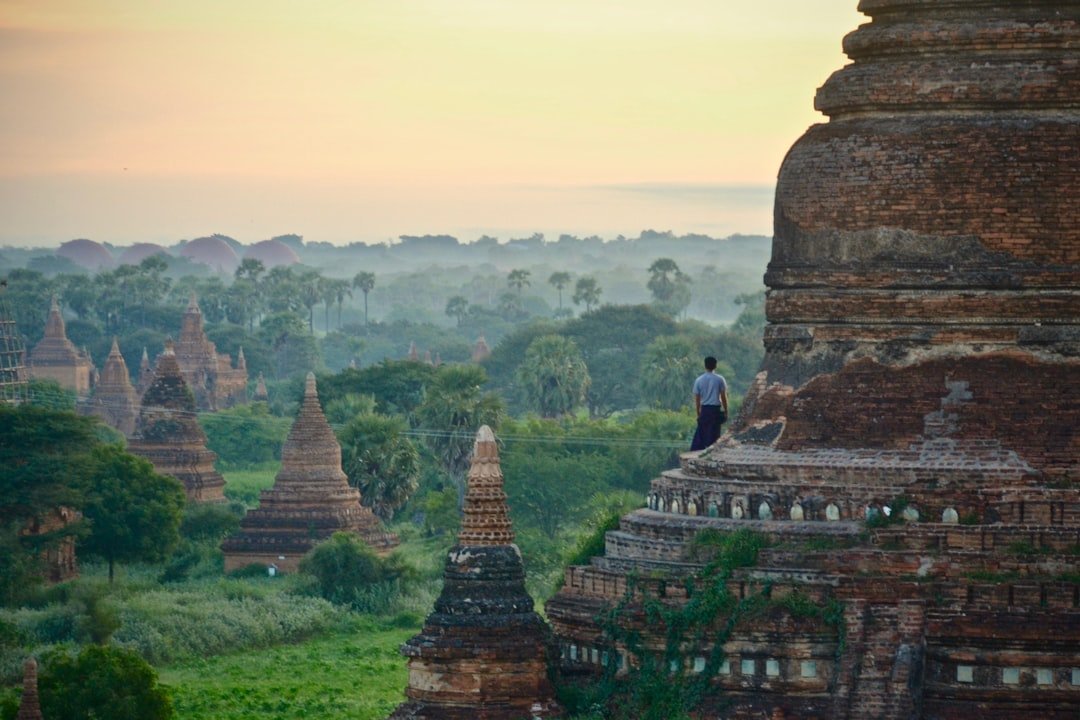
Bagan, a UNESCO World Heritage Site located in Myanmar, is renowned for its breathtaking landscape dotted with thousands of ancient temples and pagodas. While the iconic structures like Ananda Temple and Shwezigon Pagoda attract throngs of tourists, the true essence of Bagan lies in its lesser-known temples, which offer a more intimate glimpse into the region’s rich history and culture. These hidden gems, often overlooked by visitors, are steeped in stories waiting to be uncovered.
They provide a unique opportunity to experience the spiritual and architectural heritage of Bagan without the crowds that typically swarm the more famous sites. Exploring these hidden gems allows travelers to connect with the local culture on a deeper level. Many of these lesser-known temples are still actively used by local communities for worship and ceremonies, providing a living context to the historical significance of the area.
The tranquility found in these secluded spots contrasts sharply with the bustling tourist hotspots, offering a serene environment for reflection and appreciation of the artistry that defines Bagan’s landscape. As one wanders through the dusty paths leading to these temples, the sense of discovery becomes palpable, revealing not just the beauty of the structures but also the stories etched into their very walls.
Key Takeaways
- Bagan is home to hidden gems that offer a quieter and more intimate experience for visitors.
- Uncovering Bagan’s lesser-known temples allows for a deeper exploration of the region’s rich history and culture.
- The intriguing history of Bagan’s secret temples reveals the complex and diverse influences that have shaped the area.
- Tips for exploring Bagan’s off-the-beaten-path temples include hiring a local guide and respecting the sacred nature of the sites.
- The unique architectural features of Bagan’s secret temples showcase the innovative and distinctive styles of the region’s builders.
Uncovering Bagan’s Lesser-Known Temples
Among the myriad of temples scattered across Bagan, several stand out for their unique characteristics and historical significance. One such temple is the Payathonzu Temple, which is often overshadowed by its more famous neighbors. This temple complex consists of three interconnected structures, each adorned with intricate carvings and murals that depict scenes from Buddhist mythology.
The architecture reflects a blend of Mon and Burmese styles, showcasing the cultural exchanges that occurred during Bagan’s golden age. Visitors who venture here are often rewarded with a sense of solitude and an opportunity to appreciate the artistry without interruption. Another hidden gem is the Nandamannya Temple, known for its stunning frescoes that date back to the 11th century.
The temple’s interior is adorned with vibrant paintings that illustrate various Jataka tales, which recount the previous lives of the Buddha. These murals are not only artistically significant but also provide insight into the moral teachings of Buddhism. The temple’s remote location means that it is rarely visited by tourists, allowing for an immersive experience where one can truly absorb the beauty and spirituality of the space.
Such temples serve as a reminder that Bagan’s allure extends far beyond its most famous landmarks.
The Intriguing History of Bagan’s Secret Temples
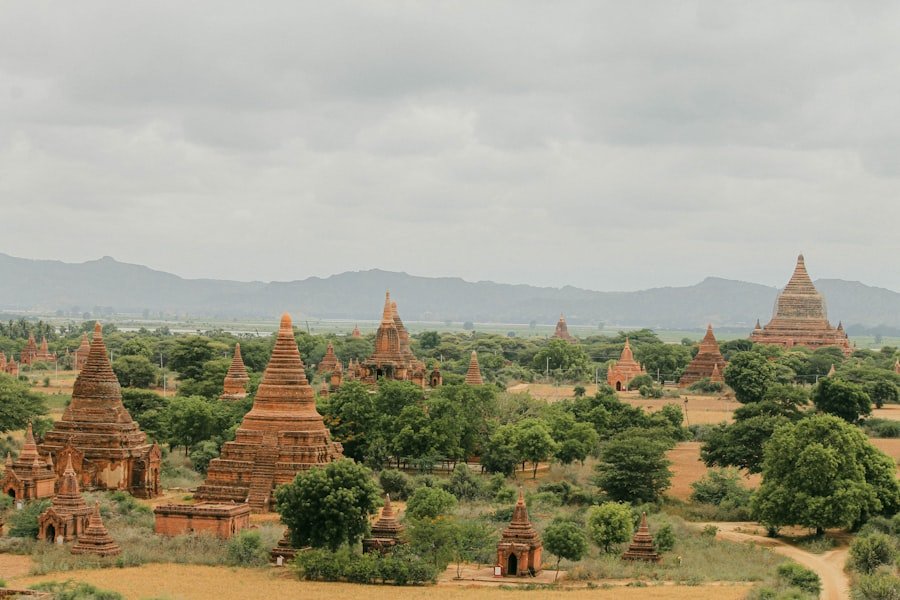
The history of Bagan is as complex as it is fascinating, with its temples serving as silent witnesses to centuries of political and cultural evolution. Many of the lesser-known temples were constructed during the reign of King Anawrahta in the 11th century, a period marked by significant religious transformation as Buddhism became the state religion. This shift led to an unprecedented building spree, resulting in thousands of temples being erected across the plains of Bagan.
However, not all temples received equal attention; some were built in remote areas or were simply overshadowed by larger, more prominent structures. The stories behind these hidden temples often reflect local legends and historical events that shaped the region. For instance, the Myauk Guni Temple is said to have been built to commemorate a miraculous event involving a local monk and a sacred relic.
Such narratives enrich the experience of visiting these sites, as they provide context and depth to what might otherwise be seen as mere architectural wonders. Understanding the historical significance of these temples allows visitors to appreciate them not just as relics of the past but as integral parts of Bagan’s ongoing story.
Tips for Exploring Bagan’s Off-the-Beaten-Path Temples
| Temple Name | Location | Accessibility | Highlights |
|---|---|---|---|
| Law Ka Ou Shaung | Southwest of Bagan | Accessible by e-bike or car | Beautiful murals and serene atmosphere |
| Thitsarwadi Temple | North of Bagan | Accessible by bicycle or horse cart | Less crowded and great sunset views |
| Nagayon Temple | East of Bagan | Accessible by e-bike or car | Impressive architecture and peaceful surroundings |
When venturing into Bagan’s lesser-known temples, preparation can greatly enhance the experience. First and foremost, it is advisable to rent an e-bike or bicycle for ease of travel across the expansive temple complex. Many hidden temples are located away from main roads, making them less accessible on foot.
An e-bike allows for greater flexibility in exploring remote areas at one’s own pace, enabling travelers to discover hidden treasures without feeling rushed. Timing is also crucial when exploring these sites. Early mornings or late afternoons are ideal for visiting lesser-known temples, as the soft light enhances their beauty while also avoiding the heat of midday sun.
Additionally, these times tend to attract fewer visitors, allowing for a more personal experience with each temple. It’s also beneficial to carry a good camera or smartphone; while many travelers come for spiritual enrichment, capturing the stunning architecture and serene landscapes can create lasting memories. Engaging with local guides can further enrich this experience; they often possess invaluable knowledge about the history and significance of these hidden gems.
The Unique Architectural Features of Bagan’s Secret Temples
The architectural diversity found within Bagan’s lesser-known temples is a testament to the region’s rich cultural tapestry. Each temple showcases distinct features that reflect various influences and styles prevalent during its construction. For example, some temples exhibit a blend of Indian and Burmese architectural elements, characterized by tiered roofs and elaborate stucco work.
The use of red brick is common throughout Bagan, but many lesser-known temples incorporate unique decorative motifs that set them apart from their more famous counterparts. One striking example is the Dhammayangyi Temple, which is known for its massive size and impressive brickwork. While it may not be as hidden as others, its architectural intricacies often go unnoticed by casual visitors.
The temple features an unusual design with thick walls and narrow windows that create an air of mystery within its confines. In contrast, smaller temples like the Gawdamya Temple showcase delicate carvings and intricate frescoes that tell stories of Buddhist teachings. These architectural nuances not only highlight the craftsmanship of ancient builders but also serve as a canvas for spiritual expression.
The Spiritual Significance of Bagan’s Secret Temples
Places of Worship, Not Just Historical Artifacts
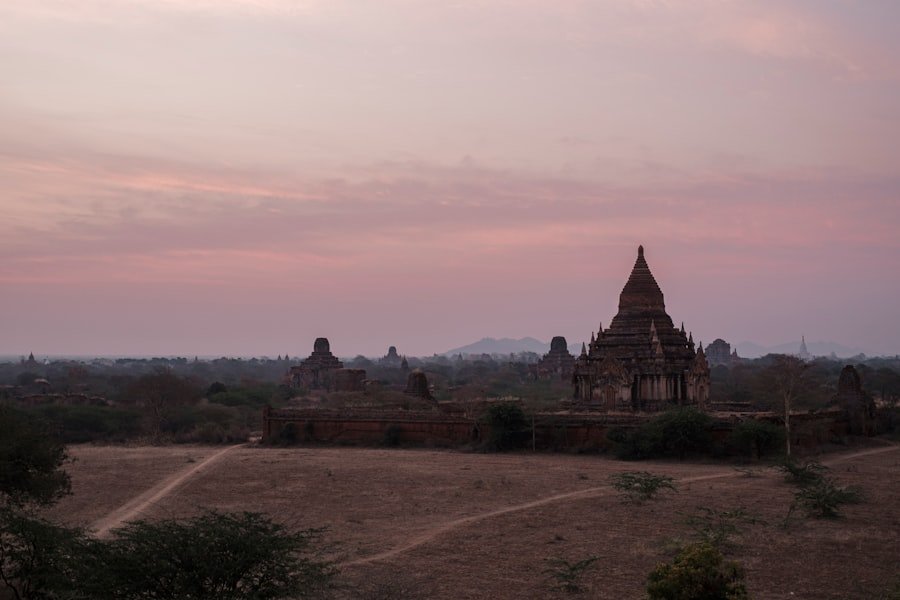
The spiritual significance of Bagan’s lesser-known temples cannot be overstated; they are not merely historical artifacts but active places of worship that continue to play a vital role in the lives of local communities. Many of these temples are still frequented by monks and laypeople alike who come to meditate, pray, or participate in religious ceremonies. This ongoing spiritual practice imbues these sites with a sense of vitality that transcends their physical structures.
Engaging with Local Spirituality
Visiting these hidden temples offers travelers an opportunity to engage with local spirituality in a meaningful way. Observing rituals or participating in meditation sessions can provide profound insights into Buddhist practices and beliefs. For instance, at lesser-known sites like the Thamoddar Temple, visitors may witness traditional offerings being made or hear chants echoing through ancient halls.
A Deeper Understanding of Buddhism and Bagan’s Spiritual Landscape
Such experiences foster a deeper understanding of Buddhism and its teachings while allowing travelers to connect with both the past and present spiritual landscape of Bagan.
Preserving and Protecting Bagan’s Hidden Temples
As tourism continues to grow in Bagan, so does the need for preservation efforts aimed at protecting its hidden temples from degradation and neglect. Many lesser-known sites face threats from environmental factors such as erosion and weathering, as well as human activities like vandalism and littering. Local authorities and conservation organizations are increasingly aware of these challenges and are working diligently to implement measures that safeguard these cultural treasures.
Community involvement plays a crucial role in preservation efforts. Local residents often take pride in their heritage and actively participate in initiatives aimed at maintaining their temples. Educational programs designed to raise awareness about the importance of preserving these sites have been implemented, encouraging both locals and visitors to respect and protect their surroundings.
By fostering a sense of stewardship among community members, there is hope that future generations will continue to cherish and uphold Bagan’s rich cultural legacy.
The Ultimate Guide to Discovering Bagan’s Secret Temples
For those eager to embark on an adventure through Bagan’s hidden temples, a well-planned itinerary can enhance the experience significantly. Start by identifying key sites that pique your interest; research can reveal fascinating stories behind each temple that may not be immediately apparent upon arrival. Consider visiting during off-peak seasons when crowds are thinner, allowing for a more personal exploration.
Engaging with local guides can provide invaluable insights into each temple’s history and significance while also supporting the local economy. Many guides offer personalized tours that cater to specific interests—be it architecture, history, or spirituality—ensuring a tailored experience that resonates with individual travelers. Additionally, packing essentials such as water, sunscreen, and comfortable footwear will ensure that you are well-prepared for your explorations.
Ultimately, discovering Bagan’s secret temples is about more than just sightseeing; it’s an opportunity to immerse oneself in a rich tapestry of history, culture, and spirituality that continues to thrive in this remarkable region. Each hidden gem offers a unique perspective on Bagan’s past while inviting visitors to reflect on their own journey through this enchanting landscape.
FAQs
What is Bagan, Myanmar?
Bagan is an ancient city located in the Mandalay Region of Myanmar. It was the capital of the Kingdom of Pagan from the 9th to 13th centuries and is known for its thousands of well-preserved temples and pagodas.
How many temples are there in Bagan?
There are over 2,000 temples and pagodas in Bagan, spread across an area of about 26 square miles.
What are the hidden temples of Bagan?
The hidden temples of Bagan refer to the lesser-known and less-visited temples and pagodas in the Bagan archaeological zone. These temples are often tucked away in remote areas and may not be as well-known as the more popular ones.
Why are the hidden temples worth visiting?
The hidden temples offer a more peaceful and serene experience compared to the crowded and touristy main temples. They also provide a glimpse into the lesser-explored parts of Bagan’s rich history and architecture.
How can visitors find the hidden temples?
Visitors can explore the hidden temples by hiring a local guide, renting a bicycle or e-bike, or simply venturing off the main paths and exploring the surrounding countryside. It’s important to respect the local regulations and cultural heritage while visiting these temples.